
Watering
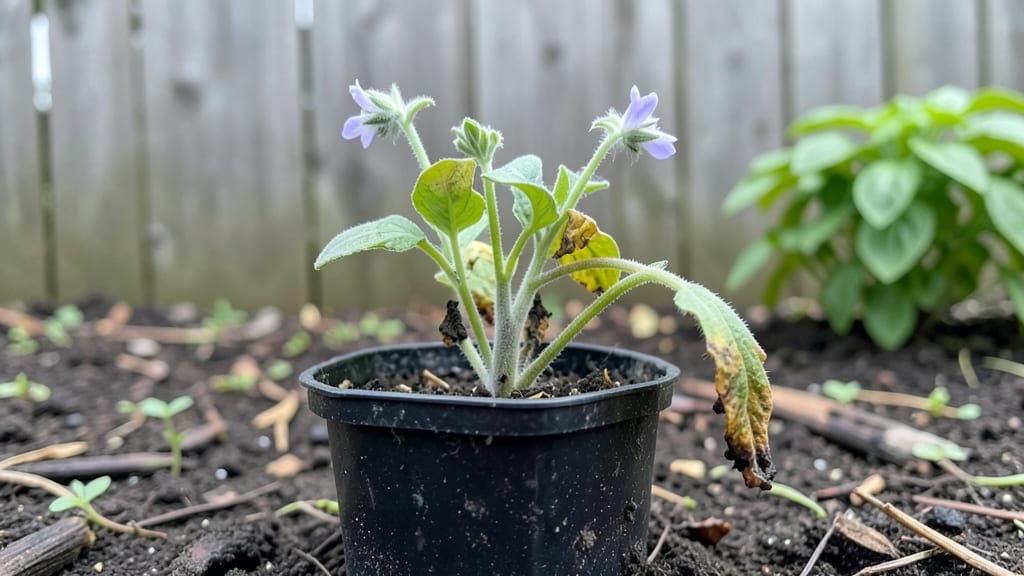
When your seedling's leaves turn yellow and droop like a soggy washcloth, you're dealing with the silent killer of young plants—overwatering. 🌱 I've pulled more seedlings back from the brink than I'd like to admit, and the fix is simpler than you think.
The key is catching it early, when roots are still salvageable, not waiting until the soil smells like a swamp.
Most people assume wilting means underwatering, but overwatered seedlings show up with limp stems, yellowing leaves that stay yellow, and soil that never dries between waterings. The good news? You can often revive them in 24-48 hours by letting the soil dry out completely and improving drainage.
I use a mix of perlite and coarse sand to lighten heavy soils—it makes all the difference for tiny roots.
What you'll end up with is a seedling that perks up and starts growing again, its leaves regaining that vibrant green instead of turning mushy brown. The trick is adjusting your watering routine: stick your finger in the soil first—if it's damp more than an inch down, wait another day.
Most seedlings only need water when the top inch feels dry to the touch.
This works for everything from tomato seedlings to delicate herbs, whether you're growing in flats, pots, or the ground. The same principles apply to houseplants too—just scale up the timing. Let's get those roots breathing again before it's too late.
The Hidden Triggers Behind Drowning Seedlings
When your tiny green hope turns into a sad, mushy mess, the culprit is often overwatering—but not always for the reasons you’d expect. Seedlings are delicate, and their roots need just the right balance of moisture, oxygen, and space to thrive.
Too much water disrupts this balance, leading to a cascade of problems. Let’s break down the real causes behind why seedlings drown, so you can fix the issue before it’s too late.
Seedlings suffocate when their roots sit in standing water for too long. This happens most often in containers without drainage holes or soil mixes that compact easily (like pure peat or dense potting mixes).
- Why it happens: Water pools at the bottom of the pot, cutting off oxygen to the roots. Without oxygen, roots can’t absorb nutrients or grow—leading to anaerobic conditions, where harmful bacteria thrive and release toxins.
- Science in action: Roots rely on aeration (tiny air pockets in soil) to breathe. When soil stays soggy for more than 24 hours, these pockets fill with water, suffocating the roots. Symptoms: Yellowing leaves, wilting despite wet soil, and a foul smell from the pot.
- Actionable fix:
- Use pots with drainage holes (even small ones help).
- Add perlite, vermiculite, or coarse sand (10-20%) to your soil mix to improve aeration.
- Repot immediately if the soil feels like a squishy sponge—it’s time for a drier mix.
New growers often assume seedlings need frequent watering, but frequency ≠ depth. Light, daily watering keeps the topsoil wet but leaves deeper layers bone-dry—tricking roots into growing upward (a phenomenon called surface rooting) while starving the rest of the plant.
- Why it happens: Seedlings have tiny, fragile root systems (often just 1-2 inches deep). If you water only the surface, roots stay shallow and can’t access moisture below. When you water again too soon, the soil doesn’t dry out enough, leading to root rot from prolonged dampness.
- Science in action: Roots need capillary action—the ability to pull water upward from deeper layers. If the soil stays soggy at the surface, roots can’t "drink" efficiently, leading to osmotic stress (where the plant struggles to absorb water despite being wet).
- Actionable fix:
- Water deeply but infrequently: Soak the soil until water runs out the drainage hole, then wait until the top 1-2 inches feel dry before watering again.
- Use the finger test: Stick your finger 1 inch into the soil. If it’s damp, wait. If it’s dry, water thoroughly.
- Avoid mist or light spritzes—they encourage shallow roots and fungal growth.
Seedlings in cold, humid environments (like a basement or unheated greenhouse) are more prone to overwatering because evaporation slows down. Meanwhile, high humidity tricks you into thinking the soil is drier than it is.
- Why it happens:
- Low temps (below 60°F/15°C): Water evaporates 30-50% slower, keeping soil damp longer. Roots in cold soil also grow 2-3x slower, making them more susceptible to rot.
- High humidity (above 70%): The air is already saturated with moisture, so the soil doesn’t "lose" water to the environment. Your seedling can’t transpire efficiently (release water vapor through leaves), leading to waterlogged roots.
- Science in action: In humid conditions, stomata (leaf pores) stay partially closed to prevent water loss, but this also reduces gas exchange (like oxygen and CO₂). The plant suffocates from the inside out.
- Actionable fix:
- Move seedlings to a warm, bright spot (70-75°F/21-24°C) with indirect light.
- Use a small fan on low speed to increase air circulation and lower humidity around the plant.
- If humidity is extreme, reduce watering by 30-50% and monitor soil moisture closely.
Not all potting soils are created equal. Some mixes hold water like a sponge, while others drain like a sieve. Using the wrong blend can turn your seedling’s home into a water prison.
- Why it happens:
- Peat-heavy mixes: Pure peat or coconut coir retains water 10x longer than mineral-based soils, creating anaerobic zones where roots can’t breathe.
- Clay or garden soil: These compact when wet, blocking air pockets and suffocating roots. They also don’t break down like potting soil, leading to crusting on the surface.
- No organic matter: Soil without compost or worm castings lacks porosity, so water pools instead of draining.
- Science in action: Healthy seedling soil should be 45% solid, 25% air, and 30% water. If your mix is 60% water (like a wet sponge), roots drown in hypoxia (oxygen deprivation).
- Actionable fix:
- Use a light, airy seedling mix with 30-40% perlite/vermiculite and 20% compost.
- Avoid garden soil or clay pots for seedlings—they’re too dense.
- If repotting, pat the roots gently to remove old, compacted soil and add fresh, fluffy mix.
Pro Tip: 💡 When in doubt, squeeze the soil. If it holds its shape like playdough, it’s too wet. If it crumbles easily, it’s ready for water. Seedlings thrive in soil that’s damp, not drenched!
Revive Your Drowning Seedlings
Overwatered seedlings can feel like a lost cause, but with the right steps, you can often bring them back to life. The key is acting fast and addressing the root of the problem—literally!
Below, we’ll map out the most common causes of overwatering and the simple fixes to save your tiny green friends.
If your seedlings look sad with yellow or mushy leaves, they’re likely suffering from root rot or oxygen deprivation. Here’s how to help:
- 🔥 Stop Watering Immediately
- Let the soil dry out completely before watering again. Overwatering is the #1 killer of seedlings—don’t make it worse!
- 👨🍳 Repot in Fresh, Well-Draining Soil
- Gently remove the seedling from its current pot and inspect the roots. If they’re black, mushy, or smell foul, trim the damaged parts with sterilized scissors.
- Repot in a clean container with light, airy potting mix (add perlite or vermiculite for better drainage).
- 💡 Adjust Your Watering Routine
- Only water when the top inch of soil feels dry. Use a spray bottle for delicate seedlings or a small watering can with a gentle stream.
- Pro Tip: Place a tray under pots to catch excess water—never let seedlings sit in saucers of standing water.
If your seedlings are limp but the leaves aren’t yellow, the issue might be compacted soil blocking airflow. Try this:
- 🥘 Loosen the Soil Gently
- Use a chopstick or pencil to poke small holes around the seedling’s base. This helps roots breathe and water drain.
- ⏰ Give Them a Breath of Air
- If possible, move seedlings to a shadier spot for a day or two to reduce stress while they recover.
- 🌡️ Check Humidity Levels
- Overwatering + high humidity = fungal risks. Use a small fan on low setting to improve airflow (just don’t blast them directly!).
If you spot white, gray, or black mold on soil or stems, your seedlings are fighting a fungal infection. Act fast:
- 🔪 Remove Affected Parts
- Snip off moldy leaves or stems with clean scissors. Dispose of them in the trash (not compost).
- 💪 Treat with Fungicide (Natural or Store-Bought)
- DIY Option: Mix 1 tsp baking soda + 1 quart water + a drop of dish soap. Spray lightly on leaves (avoid oversaturating).
- Store-Bought Option: Use a copper-based fungicide or neem oil spray for stubborn cases.
- ✨ Prevent Future Outbreaks
- Sterilize tools with rubbing alcohol before use.
- Water at the base (not overhead) to keep leaves dry.
- Space seedlings to improve airflow between plants.
Once your seedlings are back on track, keep them thriving with these habits:
- 📊 Use the Right Pot Size – Small pots dry out faster. Start with 2–3 inch pots and upgrade as they grow.
- 🥗 Choose Fast-Draining Soil – Avoid heavy garden soil. Seedling mixes with peat moss or coco coir work best.
- 🍎 Monitor Weather & Seasons – Rainy days or high humidity? Adjust watering accordingly.
- 🎯 Test Soil Moisture – Stick your finger in the soil—if it’s damp past the first knuckle, wait before watering again.
With these fixes, your overwatered seedlings should perk up in 3–7 days. If they don’t improve, it may be time to start fresh—but don’t give up! Even "failed" seedlings can teach you what works for your next batch. 🌱
Frequently asked questions
What are the first signs my seedling is overwatered?
Watch for yellowing leaves that stay yellow (not green again), limp stems that feel soft, and soil that smells sour or moldy. If the pot feels heavy with water or water pools at the bottom, that's another red flag. These signs appear before roots rot, so act fast!
Can I save a seedling with black, mushy roots?
You might still save it! Trim the black, mushy parts with sterilized scissors, then repot in fresh, fast-draining soil. If healthy roots remain, the seedling can regrow. For severe cases, start fresh with new seeds—but keep the old pot and soil to diagnose what went wrong.
Why does my seedling wilt even when the soil is wet?
This happens when roots can't absorb water due to compacted soil or lack of oxygen. Overwatering creates air pockets filled with water instead of air, suffocating roots. Try loosening the soil with a chopstick or moving the seedling to a warmer, brighter spot to help it recover.
How often should I water seedlings in small pots?
Check soil moisture daily—water only when the top inch feels dry. Small pots dry out faster, so aim for every 2-3 days in warm weather, but adjust for humidity. A spray bottle works best for delicate seedlings to avoid oversaturating the soil.
Will overwatered seedlings grow back if I stop watering?
Not always—if roots have rotted completely, the seedling won't recover. However, if you catch it early and improve drainage, new roots can grow in 3-7 days. Monitor closely and avoid soggy soil to prevent recurrence. If in doubt, repot in fresh, airy mix.