Plants
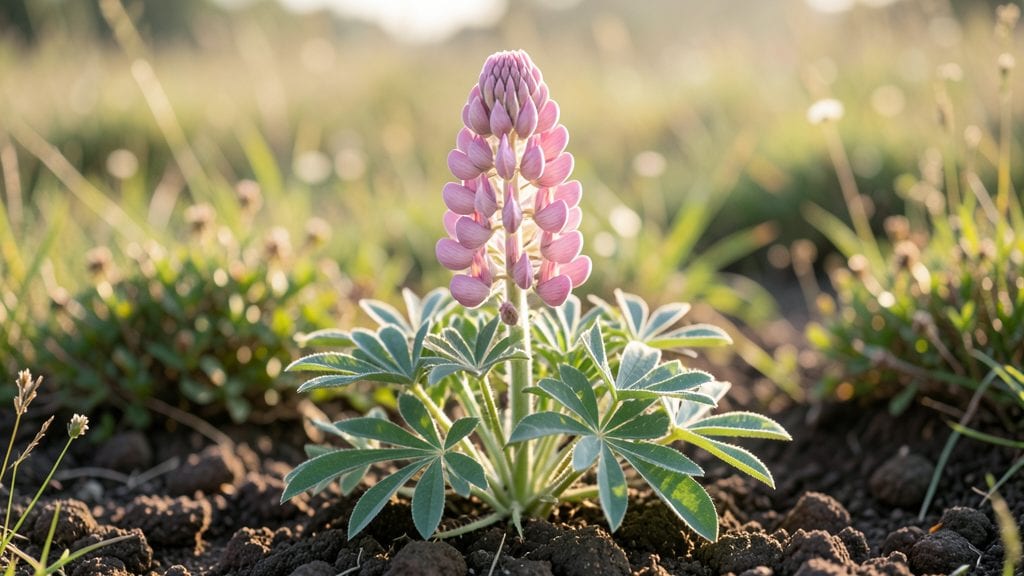
Pink seed pods aren’t just pretty—they’re a gardener’s secret weapon for instant color and texture. I’ve grown sweet peas, ornamental lobelia, and even some edible beans just for those striking pink pods, and they transform any garden corner into a showstopper.
The best part? You’ll see them pop up in as little as three weeks with the right care, turning your space into a living art piece.
These pods thrive in full sun to partial shade, depending on the variety, and love well-draining soil mixed with compost. Water consistently but avoid soggy roots—overwatering causes those pods to turn blotchy or drop prematurely.
A light mulch keeps moisture steady and prevents pests from munching on tender growth. I’ve even spotted them blooming in containers, making them perfect for small spaces or balconies.
Harvest when the pods are fully pink but still firm, and you’ll get two rewards: fresh seeds for next season and natural decor that dries beautifully. Hang them upside down in bundles, and they’ll stay vibrant for months.
The texture alone adds depth to wreaths, centerpieces, or even framed art—no glue or craft supplies needed. Plus, some varieties, like certain beans, are edible when young, adding a bonus harvest.
Troubleshooting is easy once you know the signs: yellowing pods mean too much water, while brown spots often signal fungal issues. A quick spray of neem oil or introducing ladybugs keeps pests in check.
Whether you’re growing for color, crafting, or cuisine, these pink pods deliver bold results with minimal fuss. Ready to grow your own? Let’s get started.
The Science Behind Unusual Pod Colors
Pink seed pods—whether on okra, hibiscus, or other plants—can be a sign of something fascinating (or frustrating) happening in your garden. While green is the "default" color for most seed pods, pink hues often point to specific biological triggers.
Let’s break down the key reasons why your plants might be producing these vibrant pods, along with the science behind each cause.
Some plants are hardwired to produce pink seed pods as part of their natural lifecycle. This isn’t a problem—it’s simply how the species was designed!
- Examples: Certain varieties of hibiscus (Hibiscus rosa-sinensis), okra (Abelmoschus esculentus), or wax gourds (Benincasa hispida) naturally develop pink or reddish pods as they mature.
These colors can even signal ripeness or deter pests. - Why it happens: Plant breeders select for specific traits, including pod color, to improve aesthetics, flavor, or resistance.
If you’re growing a heirloom or hybrid variety, check the plant’s description—pink pods might be a feature, not a flaw! - Actionable tip: 💡 If you love the look, embrace it!
Pink pods can be just as nutritious (or tasty) as green ones—just test for doneness (e.g., okra pods should snap easily when ripe).
Too much or too little sunlight can trigger pigment changes in seed pods, including pink or reddish tinges. This is your plant’s way of coping with environmental stress.
- Why it happens: - Excessive sunlight: High UV exposure can cause anthocyanin accumulation (the same pigment that makes blueberries blue or red cabbage purple).
This protects the pod from sun damage but alters its color. - Insufficient light: Weak light leads to chlorophyll breakdown, reducing green pigment and revealing underlying red or pink hues (common in legumes like beans). - How to fix it: - For too much sun: Provide afternoon shade with a lightweight shade cloth (30-50%) or move potted plants to a spot with dappled sunlight. - For too little sun: Supplement with a grow light (12-16 hours/day) or relocate the plant to a sunnier spot (6+ hours of direct light for most pod-producing plants).
Water stress—whether from drought or overwatering—can disrupt a plant’s metabolic processes, leading to abnormal pod coloring.
- Why it happens: - Underwatering: Causes oxidative stress, triggering the production of anthocyanins (pink/red pigments) as a protective response.
Think of it like a plant getting a sunburn but reacting with color instead! - Overwatering: Poor drainage leads to root suffocation, which can cause ethylene gas buildup (a plant hormone that accelerates ripening and changes pigmentation). - Signs to watch for: - Wilting leaves + pink pods = underwatering - Yellowing leaves + mushy soil = overwatering - Actionable fix: 🌡️ Check soil moisture 1 inch below the surface—it should be dry to the touch before watering.
Use well-draining soil (mix in perlite or vermiculite) and self-watering pots if needed.
Seed pods are nutrient sinks—they pull resources from the plant to develop. If the soil lacks key nutrients, pods may turn pink or spotted as a distress signal.
- Common nutrient deficiencies: | Symptom | Likely Cause | Fix It With | |---------------------------|--------------------------|------------------------------------------| | Pink streaks on pods | Magnesium deficiency | Epsom salt (1 tbsp/gallon water, spray foliage) | | Pale pink pods + yellow leaves | Nitrogen deficiency | Balanced fertilizer (10-10-10) or compost | | Dark pink/red patches | Phosphorus deficiency| Bone meal or rock phosphate (follow package rates) | - Pro tip: ✨ Test your soil (DIY kits cost ~$20) to identify exact deficiencies.
Most pink-pod issues stem from low magnesium or calcium, common in alkaline soils.
Pathogens and pests can damage pods, causing them to develop unusual colors as part of the plant’s defense mechanism.
- Why it happens:
- Fungal infections (e.g., powdery mildew or anthracnose) can cause necrotic (dead) tissue that turns pink or red as it dries.
- Insect damage (e.g., pod borers or aphids) triggers ethylene production, speeding up ripening and altering pigment.
- How to spot the difference:
- Pest damage: Look for holes, chew marks, or webbing on pods.
- Disease: Check for white powdery coatings, black spots, or oozing sap.
- Actionable steps:
- For pests: Spray with neem oil or introduce beneficial insects (ladybugs for aphids).
- For disease: Remove infected pods immediately and apply copper fungicide (follow label rates).
Extreme temperatures—whether scorching heat or a late frost—can disrupt pod development, leading to pink or mottled coloring.
- Why it happens:
- Heat stress (>90°F/32°C): Causes protein denaturation in pods, leading to pigment changes.
- Cold stress (<50°F/10°C): Slows metabolism, causing uneven ripening and color shifts.
- How to protect your plants:
- For heat: Use mulch to keep roots cool and provide afternoon shade.
- For cold: Cover plants with frost cloth or move potted varieties to a sheltered spot.
As seed pods mature, their color can shift naturally—sometimes to pink—due to hormonal changes.
- Why it happens:
- Ethylene gas (a ripening hormone) increases as pods age, breaking down chlorophyll and revealing carotenoids (orange) or anthocyanins (pink/red).
- Gibberellins (growth hormones) may also slow down, causing pods to "pause" in green and develop secondary pigments.
- When to harvest:
- Okra: Pick when pods are 3-4 inches long and slightly fuzzy—they’ll turn pink as they overripe.
- Hibiscus: Wait until pods crack open slightly (they’ll turn pinkish-brown when ready).
Pink seed pods aren’t always a red flag—they could be genetic, environmental, or even a sign of ripeness. Start by checking your plant’s variety, then assess light, water, nutrients, and pests.
With a little troubleshooting, you’ll either enjoy the natural beauty or correct the issue for healthier, green(er) pods!
Fixing Unwanted Seed Pods Naturally
Pink seed pods can be a gardener’s delight—or a frustrating puzzle when they appear unexpectedly. Whether you’re aiming for lush foliage, vibrant blooms, or controlled growth, understanding how to manage these pods is key.
Below are practical, step-by-step solutions tailored to common causes, from pruning techniques to environmental tweaks. Plus, we’ll share prevention tips to keep your plants thriving without the unwanted pods.
Cause: Overproduction of flowers leading to premature seed formation. Fix:
- 🔪 Trim Back Flower Stems
- Use clean, sharp pruners to snip off 1/3 of the oldest flower stems as soon as you spot seed pods forming.
- Focus on lower stems first to encourage new growth from the base.
- 🌱 Redirect Energy to Foliage
- If your plant is leafy but flowering excessively, prune 50% of the blooms to shift nutrients back to the leaves.
- Repeat every 2–3 weeks for bushier growth.
💡 Pro Tip: Pinch off seed pods before they harden—this prevents energy waste and encourages more flowers later in the season.
Cause: Stress from heat, drought, or poor soil triggers early seed production. Fix:
- 💧 Hydrate Deeply & Consistently
- Water at the base of the plant (not the leaves) to avoid fungal issues.
- Aim for 1–1.5 inches of water per week, adjusting for clay or sandy soil.
- 🌞 Balance Sun Exposure
- If your plant is wilting or dropping buds, it may be getting too much direct sun.
- Move to partial shade (4–6 hours of sunlight) and monitor for improvement in 7–10 days.
- 🌱 Feed with Balanced Fertilizer
- Use a 10-10-10 or 20-20-20 fertilizer (equal parts nitrogen, phosphorus, potassium) to support both blooms and leaves.
- Avoid high-phosphorus fertilizers (like 5-10-5)—they promote seed production over foliage.
✨ Quick Fix: A foliar spray of seaweed extract (rich in growth hormones) can revive stressed plants in 3–5 days.
Cause: Infestations (aphids, whiteflies) or fungal diseases (powdery mildew) weaken plants, causing premature seed drop. Fix:
- 🐜 Inspect & Treat Pests
- Neem oil spray (1 tsp neem oil + 1 tsp mild soap per quart of water) deters aphids and whiteflies within 24 hours.
- For heavy infestations, repeat every 5–7 days until pests vanish.
- 🍄 Prevent Fungal Issues
- Remove fallen leaves/debris around the plant to reduce humidity.
- Spray with baking soda solution (1 tsp baking soda + 1 quart water + a drop of dish soap) weekly for powdery mildew.
🎯 Prevention Tip: Mulch with compost to improve soil health and reduce stress-related seed formation.
Cause: Too many stems competing for nutrients leads to weak, early-seeding branches. Fix:
- 🌿 Thin Out Dense Areas
- Remove 20–30% of the oldest or most crowded stems at the base.
- Focus on inner branches to improve air circulation and sunlight penetration.
- 🌱 Repot if Necessary
- If roots are circling the pot, transplant to a 1–2 inch larger container with fresh well-draining soil.
💡 Pro Tip: Divide mature plants every 2–3 years to prevent overcrowding and revive weak growth.
Cause: Some plants (like coleus, impatiens, or certain hibiscus) naturally produce seed pods mid-season as a survival mechanism. Fix:
- 🌼 Deadhead Regularly
- Snip off fading blooms before seed pods form to encourage longer flowering periods.
- Use sterilized scissors to avoid spreading disease.
- 🌡️ Adjust Light in Fall/Winter
- If your plant is bolting (shooting up tall stems), it may be responding to shorter days.
- Extend light with a grow bulb (6–8 hours/day) to delay seed production.
🔥 Quick Reset: A hard prune (cutting back by 1/2) in early spring can revive leggy plants and reset their growth cycle.
To minimize unwanted seed pods in future seasons: ✅ Prune aggressively in early spring to encourage bushier, stronger growth. ✅ Monitor soil moisture—consistent hydration prevents stress-induced seeding. ✅ Fertilize lightly with balanced NPK (avoid high-phosphorus blends). ✅ Rotate crops if growing edible plants (like tomatoes or peppers) to prevent disease buildup. ✅ Use row covers in early spring to protect from pests before they take hold.
Final Thought: Pink seed pods aren’t always bad—they’re a sign of a healthy, thriving plant! But with these targeted fixes, you can control their appearance and keep your garden lush, leafy, and blooming for weeks longer. 🌸✂️
Frequently asked questions about pink seed pods
What plants naturally produce pink seed pods?
Sweet peas, ornamental lobelia, and certain hibiscus varieties are common plants that develop vibrant pink seed pods. Others like wax gourds and some bean varieties also showcase this striking color. Check seed packets or plant tags—many heirloom varieties are bred specifically for their unique pod hues!
Can I eat pink seed pods from my garden?
Only if they come from edible plants like certain beans or okra! Always verify the plant type first—some ornamental varieties contain toxins. For edible pods, harvest when firm and young (like snap peas) or fully mature (like okra) for the best texture and flavor.
Why are my seed pods turning pink instead of staying green?
Pink pods often signal stress from sunlight, water issues, or nutrient deficiencies. Too much sun triggers anthocyanin production (the same pigment in red cabbage), while underwatering can cause oxidative stress. Test your soil and adjust care—most plants prefer consistent moisture and balanced fertilizer.
How can I use dried pink seed pods for crafts?
Hang bundles upside down in a dry, dark place for 2–4 weeks until crisp. Once fully dried, arrange them in wreaths, framed displays, or potpourri. Their papery texture adds dimension to winter arrangements—just avoid moisture to prevent mold!
Are pink seed pods harmful to other plants?
Not typically, but some may harbor pests if left on the ground. Remove fallen pods promptly to prevent fungal growth or insect infestations. For edible varieties, compost pods only if pest-free—never from diseased plants.