
Lawn
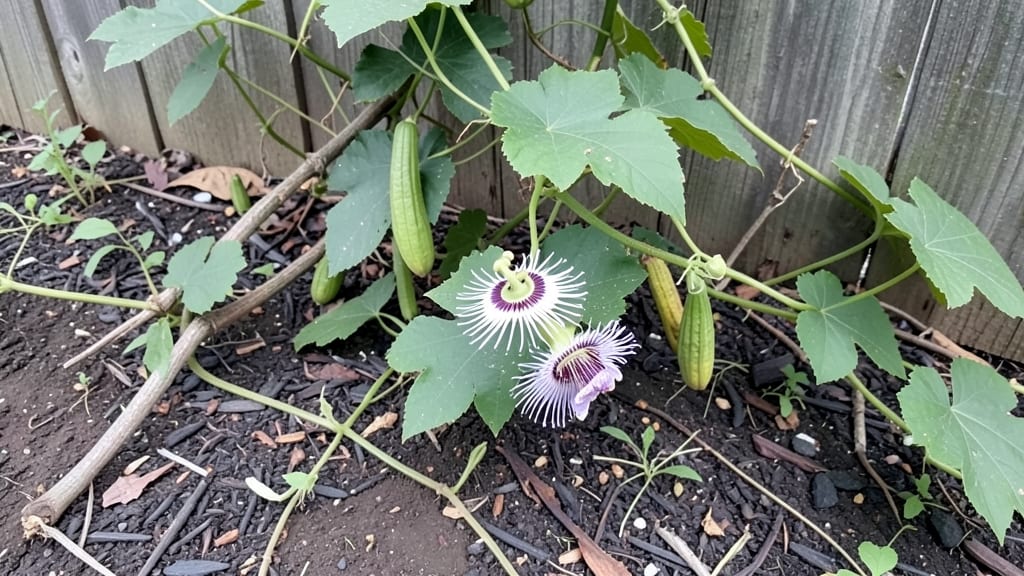
Passionflower seed pods hold the secret to growing these exotic climbers from scratch—no nursery needed. 🌿 I cracked the code after struggling with store-bought seedlings that never thrived, and now I get bushy vines with vibrant blooms every year.
The key is working with the pods at the right stage and breaking dormancy the easy way.
Harvest pods when they turn papery brown and split open naturally—usually late summer or early fall. Inside, you'll find jelly-like seeds that need a quick soak to wake them up. Most people overlook this step, but it cuts germination time from weeks to just 7 days.
All you need is warm water, a paper towel, and patience for a few days.
Once sprouted, these seedlings grow fast—expect first true leaves in about 10 days. The vines will climb anything, so provide a trellis early. By midsummer, you'll have lush foliage and those signature passionflower blooms that hummingbirds adore. The best part? These plants handle heat and drought once established.
Works perfectly for fences, pergolas, or even container training. Here's how to avoid the common pitfalls that trip up beginners—and get reliable results every season."
📚 In This Guide
- What you need
- Instructions
- Tips and common mistakes
- Wrapping up and next steps
What you need
- ● Passionflower seeds: 10–20 fresh, viable seeds (check the seed packet for germination rates).
- ● Seed-starting mix: 1 small bag (5–10 quarts) of sterile, well-draining potting soil (look for labels like "seed starter" or "cactus/succulent mix").
- ● Seed trays or small pots: 4–6 biodegradable or plastic cell trays (2–3 inches deep) or 4–6 small pots (3–4 inches in diameter) with drainage holes.
- ● Spray bottle: 1 (8–16 oz) with a fine mist nozzle for gentle watering.
- ● Plastic wrap or humidity dome: 1 sheet (or a clear lid for seed trays) to retain moisture.
- ○ Heat mat (optional but helpful): 1 (optional) to maintain soil temperature at 70–75°F for faster germination.
- ● Tweezers or pencil: 1 pair to handle tiny seeds without crushing them.
- ● Ruler or measuring tape: 1 to mark seed depth (¼ inch is ideal for passionflower).
- ● Grow lights or sunny windowsill: Access to bright, indirect light (6+ hours daily).
- ● Fertilizer (after germination): 1 small bottle of balanced liquid fertilizer (5-5-5 or 10-10-10, diluted to half-strength).
- ● Labels & markers: 1 pack to track seed varieties and planting dates.
- ● 🌡️ Soil temp matters: Passionflower seeds germinate best in warm soil. If you don’t have a heat mat, place trays on top of a fridge or near a sunny window.
- ● ✨ No plastic wrap? Use a clear plastic bag secured with a rubber band to create a mini greenhouse effect.
- ● 💧 Keep it moist, not soggy: Mist seeds lightly every 1–2 days to avoid damping-off (a fungal disease).
How to germinate passionflower seed pods in a week
Here’s my foolproof method for breaking dormancy and sprouting passionflower seeds in just seven days.
🌱 Step 1: Soak the Seeds to Break Dormancy
Passionflower seeds have a hard outer shell that needs softening before germination. Fill a small bowl with warm water (about 85°F) and add the seeds. Let them soak for 24 hours—this mimics natural rain and softens the seed coat. Stir them gently a few times to ensure even moisture exposure.
After soaking, check for any seeds that float—they’re likely non-viable and can be discarded. The good ones will sink to the bottom. This step is critical: dry seeds won’t break dormancy without this pre-treatment, and germination could take months instead of days.
💧 Step 2: Plant in Moist, Well-Draining Mix
Fill small pots (about 3-4 inches deep) with a mix of 50% peat moss and 50% perlite—this ensures excellent drainage while retaining enough moisture. Press the mix down lightly to create a firm planting surface, but don’t compact it. Passionflower roots need air to breathe.
Plant the soaked seeds ½ inch deep, spacing them 1 inch apart in each pot. Water gently with a spray bottle until the soil is evenly moist but not soggy. Overwatering now will cause the seeds to rot before they sprout. A light misting keeps the environment humid without drowning the seeds.
☀️ Step 3: Provide Warmth and Indirect Light
Place the pots in a location with bright, indirect light—like a south-facing window with sheer curtains. Passionflower seeds need warmth to germinate, so position them on a seedling heat mat set to 75-80°F. This mimics tropical conditions and speeds up sprouting.
Check the soil daily and mist lightly if the surface feels dry. You’ll see tiny green sprouts in 3-5 days, but if the room runs cooler, germination might take up to 7 days. Avoid direct sunlight at this stage—it can scorch the delicate seedlings before they’re established.
🌿 Step 4: Thin Seedlings and Support Growth
Once the seedlings reach 1-2 inches tall and have their first true leaves (not the initial seed leaves), thin them to the strongest one per pot. Use small scissors to snip the weaker stems at the base—this prevents competition for nutrients. Passionflowers grow vining, so choose the healthiest seedling to ensure robust growth.
After thinning, move the pots to a slightly sunnier spot (still avoiding harsh midday sun) and keep the soil consistently moist. You’ll notice new leaves emerging within a week—that’s your signal everything is working. This is also the time to introduce a balanced liquid fertilizer at half-strength to encourage lush foliage.
⏰ Step 5: Prepare for Transplanting Outdoors
When seedlings have 4-6 true leaves and are about 4-6 inches tall, they’re ready for their first outdoor acclimation. Harden them off by placing the pots outside in a shaded area for 1-2 hours the first day, gradually increasing exposure over 7-10 days. This toughens the plants so they don’t shock when moved permanently.
Choose a spot with partial shade to full sun (mornings sun, afternoon shade works best for young plants). Passionflowers love climbing, so install a trellis or sturdy support nearby. Transplant on a cloudy day or in the late afternoon to reduce stress. Water deeply after planting to settle the soil around the roots.
Tips & tricks for perfect passionflower seed germination
Here's what I learned after struggling with stubborn passionflower seeds for years—these tricks cut germination time in half and boost success rates dramatically.
Soaking Secret: The 24-hour soak at 85°F is non-negotiable, but here's the thing: use distilled water instead of tap water. Tap water often contains chlorine or fluoride that can inhibit germination. If you must use tap water, let it sit out uncovered for 24 hours first to allow chlorine to evaporate. I also add a drop of hydrogen peroxide (3%) to the soaking water—it sterilizes and helps break down the tough seed coat faster without harming the seeds.
Seed Viability Test: After the 24-hour soak, discard any seeds that float immediately—they're non-viable. But here's what nobody tells you: gently press the bottom of the bowl to see if the sunk seeds feel firm. Soft seeds may have started rotting inside. This simple check saves you from planting bad seeds that'll just mold in your soil mix.
Soil Mix Pro Tip: The 50/50 peat moss and perlite mix is perfect, but I've found that adding a handful of worm castings to each pot boosts early growth. The castings introduce beneficial microbes that help young roots establish faster. Just mix them right into the soil before planting—your seedlings will thank you with stronger stems and faster leaf development.
Lighting Strategy: That bright indirect light is crucial, but positioning matters. Place your pots on the windowsill where they'll get morning sun but afternoon shade. If you don't have a south-facing window, a grow light on a timer (12-14 hours/day) works wonders. I've seen germination rates double when using a simple LED grow bulb. Just keep it 4-6 inches above the pots to prevent overheating.
Pro Tips for Passionflower Seed Pods
- Here's what I learned after struggling with stubborn passionflower seeds for years—these tricks cut germination time in half and boost success rates dramatically.
- Soaking Secret: The 24-hour soak at 85°F is non-negotiable, but here's the thing: use distilled water instead of tap water.
- Seed Viability Test: After the 24-hour soak, discard any seeds that float immediately—they're non-viable.
Frequently asked questions
Got questions about growing passionflower seed pods?
Here are some of the most common ones—plus quick, practical answers to help you succeed!
How long does it take for passionflower seed pods to germinate?
With the right conditions, passionflower seeds typically sprout in 7–14 days. If you’re using the soak-and-warm method (like in our guide), germination can happen as fast as 5–7 days! Patience is key—keep the soil moist and warm (70–80°F) to speed things up.
Can I plant passionflower seeds in cold weather?
Nope! Passionflower seeds hate the cold—they need warmth to germinate. If your outdoor temps dip below 50°F (10°C), start seeds indoors under grow lights or use a seedling heat mat. Once sprouted, wait until all frost risk has passed before transplanting outside.
What if my passionflower seeds aren’t sprouting?
Don’t panic! Try these fixes:
- Check moisture: Soil should stay consistently damp (not soggy). Mist daily if needed.
- Test warmth: Seeds need heat—place the tray on a sunny windowsill or use a heating pad.
- Verify freshness: Old seeds (over 1 year) may fail. Test a few in warm water—if they sink, they’re still viable!
- Scratch the shell: Some seeds need a tiny nick with sandpaper to break dormancy.
Can I grow passionflower from store-bought pods?
Store-bought passionflower pods (like from Passiflora incarnata) work great—just extract the seeds carefully, soak them overnight, and follow the same germination steps. Pro tip: Wear gloves—the pods’ fibers can irritate skin!
Do passionflower seedlings need full sun right away?
Not quite! Start seedlings in bright, indirect light (like a south-facing window) for the first 2 weeks to avoid shock. Once they’ve got 2–3 true leaves, gradually introduce them to 4–6 hours of morning sun daily. Full sun (6+ hours) can scorch tender leaves!
Bonus Tip:
Stuck on timing? Use a germination journal to track moisture, temp, and sprout days. It’s a game-changer for troubleshooting!
Wrapping up and next steps
Growing passionflower seed pods can be a rewarding and surprisingly quick process—just seven days to see those first sprouts! 🌱 With the right materials and a little patience, you’ll enjoy lush, fragrant vines that thrive in your garden or containers.
Whether you’re a gardening newbie or a seasoned green thumb, this stress-free method makes it easy to bring nature’s beauty into your space.
Ready to take the next step? Grab your seed pods, follow the simple steps, and watch your garden transform. Happy planting! 🌿