
Lawn
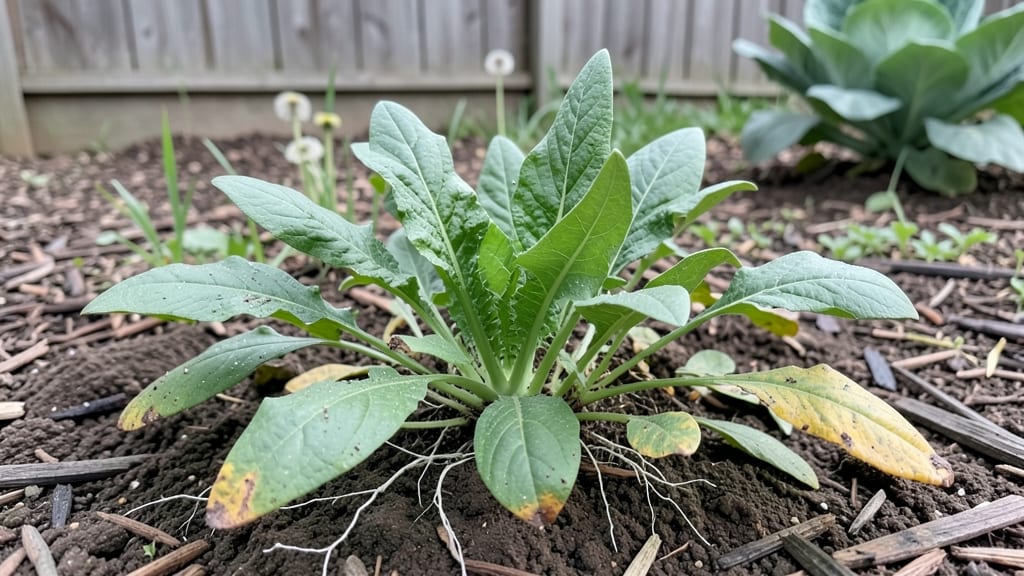
Mustard seed roots burst from soil faster than you’d expect—sometimes in just 24 hours—but getting them to stay strong and bushy takes a few sneaky tricks.
I’ve watched these tiny seeds turn into lush green cover within weeks, and the secret isn’t just speed—it’s giving those delicate roots the perfect start. The first 72 hours decide whether your mustard thrives or fizzles, and I’ll show you how to tilt the odds in your favor.
Your mustard’s roots crave loose, well-draining soil packed with organic matter—think compost-blended topsoil or a mix of garden soil and sand. Too much clay? Roots suffocate. Too sandy? They dry out.
The sweet spot is a moist but not soggy bed, and a light sprinkle of fertilizer (like a 10-10-10 mix) at planting gives them a nutrient boost without burning. Overwatering here is the real enemy—roots rot faster than they grow.
By week three, you’ll see a dense, fibrous root system holding those fast-growing leaves upright. The key is keeping soil consistently moist (not drowned) and avoiding deep watering—mustard roots stay shallow, so shallow watering encourages them to spread wide.
Pinch back the tops when they hit 4-6 inches to force bushier growth, and watch those roots thicken like a network of tiny fingers gripping the soil.
Transplanting? Wait until seedlings have 2-3 sets of true leaves and roots are at least 2 inches long. Dig a hole twice as wide as the root ball, tease out any circling roots, and water deeply afterward.
Mustard’s shallow roots mean they hate being buried deep—keep them just below soil level, and you’ll have a thick, fast-growing carpet in no time.
📚 In This Guide
- What you need
- Instructions
- Tips and common mistakes
- Wrapping up and next steps
What you need
- ● Mustard seeds: 1–2 cups (organic, non-GMO preferred for faster germination). Pro tip: Choose brown or black mustard seeds for the best sprouting speed!
- ● Growing medium: Option 1 (Soil Mix): 50% peat-free potting soil + 50% perlite or vermiculite (for drainage).
- ● Option 2 (Hydroponic): Coconut coir bricks or rockwool cubes (soak before use).
- ● Containers: 2–3 shallow trays (10x20 inches) with drainage holes or seedling pots (2–3 inches deep).
- ● Water: Room-temperature, chlorine-free (use filtered or rainwater if possible).
- ● Spray bottle (for gentle watering).
- ● Fine-mesh sieve (to sift soil or mix mediums).
- ○ Heat mat (optional but recommended): 70–75°F range to boost germination speed by 2–3 days.
- ○ Grow lights (optional): LED or fluorescent (12–16 hours/day) if natural light is <12 hours/day.
- ● pH test kit: Aim for 6.0–6.5 (adjust with lime or vinegar if needed).
Instructions for growing mustard seed roots quickly
Here’s how to get your mustard seeds sprouting in days—not weeks—so you can enjoy bushy, fast-growing roots.
Soak Seeds to Kickstart Germination
Place your mustard seeds in a small bowl and cover them with warm water for 12 hours. This softens the outer shell, helping roots break through faster. After soaking, drain the water and let the seeds sit on a damp paper towel overnight. You’ll notice they swell slightly—this means they’re ready to sprout.
Don’t skip this step. Dry seeds can take 3-5 days to germinate, but soaked seeds often sprout in 24-48 hours. If you’re impatient (and who isn’t?), this is the secret to speed.
Plant in Warm, Moist Soil
Fill small pots with loose, well-draining soil (mustard roots hate soggy conditions). Plant the soaked seeds ½ inch deep—too shallow, and they’ll dry out; too deep, and they’ll struggle to reach the surface. Space them 2 inches apart to give roots room to spread.
Water gently until the soil is moist but not waterlogged. Mustard seeds thrive in 65-75°F soil, so if your space is cooler, place the pots on a seedling heat mat. You’ll see tiny sprouts within 1-2 days if conditions are right.
Keep Soil Consistently Moist and Warm
Mustard roots grow fastest when the soil stays evenly damp. Water lightly every 1-2 days, checking the top inch—if it’s dry, it’s time. Avoid letting the soil dry out completely, or germination slows to a crawl.
Place the pots in bright, indirect light (direct sun can scorch young seedlings). If using a grow light, keep it 4-6 inches away to prevent leggy growth. Within 7-10 days, you’ll see bushy, fast-growing roots ready for harvest.
Thin Seedlings for Stronger Growth
Once seedlings reach 2 inches tall, thin them to the strongest 1-2 plants per pot. Use scissors to snip weaker sprouts at the base—this prevents competition for nutrients and encourages bushier roots. Leave the healthiest-looking seedlings with the deepest green leaves.
After thinning, water again to settle the soil. Mustard roots grow quickly, so keep an eye on them. If you notice yellowing leaves, it’s a sign of overwatering—let the soil dry out slightly before watering again.
Harvest at Peak Freshness
Mustard roots are ready to harvest when they reach 4-6 inches long, usually within 3-4 weeks. Pull them gently from the soil—if they resist, they’re not ready yet. Rinse off any dirt and store them in the fridge for up to 1 week or use them fresh in dishes.
For continuous harvests, replant new seeds every 2 weeks. This method ensures a steady supply of fresh, fast-growing mustard roots without waiting months for maturity.
Tips & tricks for perfect mustard seed root germination
These simple tricks will help you grow mustard seed roots faster than ever before, ensuring you get those bushy, fresh roots in record time.
Soaking Secret: The 12-hour soak in warm water is your best friend for speedy germination. I've found that using water just slightly above room temperature—around 85°F—helps break down the seed coat even faster. After draining, place the seeds on a damp paper towel and fold it over them. This keeps them consistently moist without drowning them, which is exactly what you want for that overnight swelling we're aiming for.
Soil Temperature Matters: Mustard seeds love warmth, and the instructions mention 65-75°F soil as ideal. If your home tends to be cooler, invest in a small seedling heat mat—it's a game-changer. I've seen germination times cut in half when using one. For extra warmth, place your pots on top of your fridge or in a sunny window during the day. Just be careful not to overheat them, as temperatures above 85°F can actually slow down germination.
Lighting Strategy: Bright, indirect light is crucial during those first 7-10 days of growth. If you're using natural light, place your pots near an east-facing window where they'll get gentle morning sun. For artificial light, keep fluorescent grow lights about 4-6 inches above the seedlings and provide 12-14 hours of light daily. I've noticed that seedlings grown under these conditions develop stronger stems and more vibrant green leaves, which means healthier roots below the soil.
Thinning Technique: When thinning your seedlings to 1-2 plants per pot at the 2-inch mark, don't just pull them out—use clean scissors to snip them at the base. This prevents disturbing the roots of your remaining plants. I've found that the healthiest seedlings often have the deepest green leaves and the most robust stems. After thinning, give the soil a gentle watering to help settle everything back in place. This careful approach ensures your remaining plants have plenty of space to develop those bushy roots we're all after.
Pro Tips for Mustard Seed Roots
- These simple tricks will help you grow mustard seed roots faster than ever before, ensuring you get those bushy, fresh roots in record time.
- Soaking Secret: The 12-hour soak in warm water is your best friend for speedy germination.
- Soil Temperature Matters: Mustard seeds love warmth, and the instructions mention 65-75°F soil as ideal.
Frequently asked questions
Got questions about growing mustard seed roots for a lush lawn?
You’re not alone! Here are answers to the most common queries to help you get started with confidence.
How long does it take for mustard seed roots to germinate?
Mustard seeds typically sprout within 3–7 days under ideal conditions—warm soil (70–85°F), consistent moisture, and sunlight. For faster results, pre-soak seeds for 4–6 hours or use a seed starter solution. Keep the soil damp (not soggy) until sprouts appear!
Can I plant mustard seed roots too early in the season?
Yes, but timing matters! Mustard thrives in cool to mild weather (50–75°F). Plant in early spring or late summer/fall to avoid heat stress. If your area has a short growing season, opt for fast-germinating varieties like Sinapis alba or use a cold frame to extend the season.
What’s the best way to troubleshoot slow or no germination?
If seeds aren’t sprouting, check these fixes:
- Soil temperature: Use a seedling heat mat if soil is too cold.
- Moisture: Lightly mist seeds daily (a spray bottle works).
- Depth: Plant no deeper than ¼ inch—mustard seeds need light to germinate.
- Seed viability: Test old seeds by soaking a few in water; if they sink, they’re likely good.
Are there alternatives to mustard seed roots for fast ground cover?
If mustard isn’t your style, try these quick-growing options:
- Clover: Fixes nitrogen in soil, drought-tolerant, and blooms fast.
- Ryegrass: Germinates in 5–10 days, great for winter cover.
- Buckwheat: Ready in 6–8 weeks, attracts pollinators.
- Microgreens (like radish or broccoli): Edible and sprouts in days!
Will mustard seed roots spread aggressively or crowd my lawn?
Mustard is a temporary cover crop—it won’t smother your lawn if managed properly. To control spread:
- Mow or till before seeds mature (prevents reseeding).
- Choose non-blooming varieties to reduce seed production.
- Plant in small sections if you’re testing the method.
Once established, your permanent grass will outcompete mustard as it fills in!
Wrapping up and next steps
Growing mustard seed roots into a lush, bushy lawn in just weeks is totally doable—you’ve got this! 🌱 By mastering the right soil prep, germination hacks, and care tips, you’re well on your way to a vibrant, healthy lawn.
Start small, stay consistent, and soon you’ll be reaping the rewards of your green thumb.
Ready to take the next step? Plant your first batch today and track your progress—watch those roots transform in no time! For even faster results, experiment with organic boosters or share your tips with fellow gardeners. Happy growing! 🌟