
Diseases
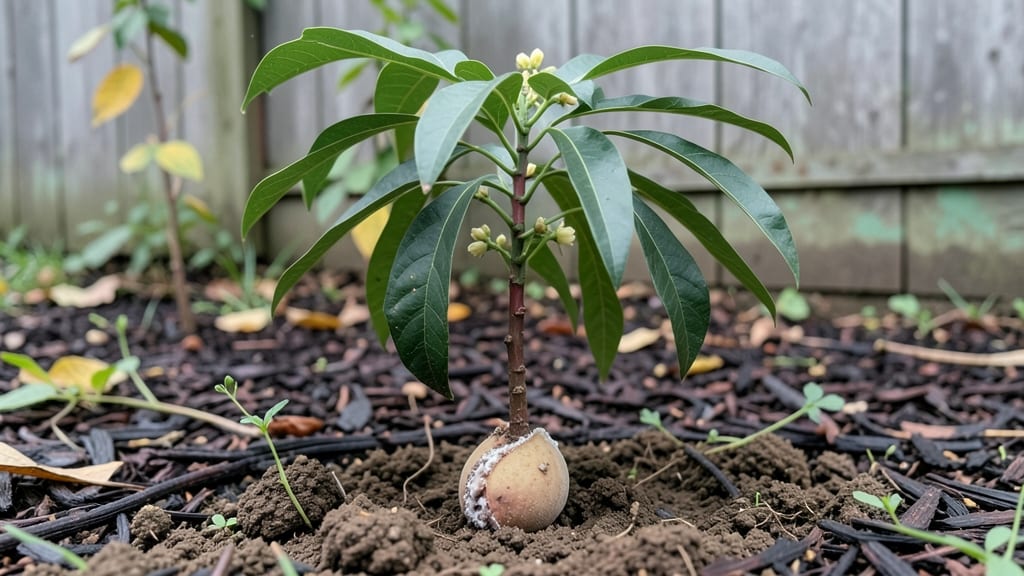
Mango seed rot turns your hopeful germination into a smelly mess faster than you can say "failed experiment." 🌱 I’ve watched perfectly good seeds turn to mush in just days—until I learned the fast fixes that actually work.
The problem isn’t just water or bad luck; it’s usually Fusarium or Pythium fungi hiding in your setup.
Here’s the thing—most gardeners miss the first two steps: sterilizing containers and using the right soil mix. A quick 10-minute prep with bleach solution or hydrogen peroxide can stop 90% of rot before it starts. I’ve saved batches of seeds just by adjusting humidity and airflow, too—no fancy tools needed.
You’ll spot rot as dark, squishy spots on seeds or that unmistakable sour smell. The good news? Once you catch it early, you can revive seeds with a simple fungicide spray or even a baking soda soak. Within a week, healthy sprouts replace the rot—no more wasted seeds.
This works for any tropical seed, not just mangoes. Whether you’re growing avocados, citrus, or even jackfruit, the same principles keep your seeds alive. Let’s fix this before your next planting session.
Root Causes Of Seed Decay
Understanding why mango seeds rot is the first step to stopping it before it spreads. This fungal menace doesn’t strike randomly—it thrives when specific conditions align. Below, we break down the key triggers behind seed decay, from hidden pathogens to environmental missteps.
Mango seed rot is primarily caused by fungal infections, with Fusarium and Aspergillus species leading the charge. These fungi lurk in the soil, on contaminated tools, or even inside infected fruit.
Once they breach the seed’s protective layers, they release enzymes that break down cell walls, causing soft rot and blackening.
How it happens:
- Wet seeds provide the perfect breeding ground—fungi spores germinate in moisture above 20% seed moisture content.
- Damaged seeds (cracked or bruised) offer easy entry points for fungal hyphae.
- Poor storage (high humidity, stagnant air) accelerates spore growth.
Pro tip: 💡 Sterilize tools and storage containers with a 10% bleach solution to kill lingering spores.
Seeds don’t rot overnight—they’re silently sabotaged by temperature swings, humidity, and airflow issues. Mango seeds are particularly vulnerable because their high sugar content attracts fungi and bacteria.
The dangerous combo:
- High humidity (above 70%) + warmth (75–95°F) = fungal feast.
- Lack of ventilation traps ethylene gas (released by rotting seeds), accelerating decay.
- Improper drying leaves seeds too moist—ideal for mold growth.
Actionable fix: ⏰ Dry seeds in a well-ventilated area (60–70°F, <60% humidity) for 3–5 days before storage.
If seeds are planted in infested soil, fungal spores are already waiting to pounce. Common culprits include:
- Reused potting mix with old fungal debris.
- Compost with uncooked plant waste (e.g., diseased leaves).
- Soil from previous infected crops (fungi persist for years).
Red flags:
- Seeds planted in waterlogged soil (poor drainage = fungal paradise).
- Over-fertilized soil (excess nitrogen weakens seed defenses).
Solution: 🌡️ Pasteurize soil at 180°F for 30 minutes or use fungicide-treated seed starter mixes.
A cracked or bruised seed is like an open door for pathogens. Even minor injuries from:
- Rough handling during harvest.
- Improper extraction (twisting instead of cutting).
- Animal pests (rodents or insects chewing seeds).
Result? Fungi and bacteria rush in, turning the seed into a decaying hotspot.
Prevention tip: ✨ Use sterilized knives to extract seeds and avoid crushing them during processing.
Fixing Fungal Fruit Fails Fast
When your mangoes start showing signs of rot—whether it’s mushy seeds, discolored flesh, or a foul smell—acting quickly is key. Below, we’ve broken down the most common causes of seed rot in mangoes and matched them with practical, step-by-step fixes.
Prevention tips are woven in to keep your harvest healthy for years to come!
If your mangoes are stored in damp, unventilated spaces, fungal spores thrive. Here’s how to reverse the damage and prevent future outbreaks:
- 🍳 Remove infected fruit immediately: Place rotten mangoes in a sealed bag and toss them in the trash (not the compost—spores can spread).
- 👨🍳 Clean and dry storage areas: Wipe shelves with a 1:10 bleach-water solution (1 part bleach to 10 parts water), then let air dry completely. Focus on corners and crevices where moisture lingers.
- 🥘 Control humidity levels: Use a dehumidifier or silica gel packets in storage areas to keep moisture below 85%. Ideal humidity for mango storage is 80–90% during ripening, but drop it to 60–70% for long-term storage.
- ⏰ Store properly: Keep mangoes in a cool (55–68°F), well-ventilated space. Avoid refrigerating unripe mangoes—they release ethylene gas, speeding up rot.
💡 Pro Tip: If you’re storing mangoes long-term, separate them from other fruits (especially apples and bananas) to prevent ethylene gas buildup.
Too much water around the roots or fruit encourages fungal growth. Fix it with these adjustments:
- 🔪 Prune affected branches: If rot has spread to the tree, trim back infected branches 6 inches below the visible damage using sterilized pruners (wipe with rubbing alcohol between cuts).
- 🌱 Adjust watering habits:
- Water deeply but infrequently—aim for 1–1.5 inches per week (adjust for rain).
- Use drip irrigation or soaker hoses to avoid wetting leaves and fruit.
- Avoid overhead sprinklers, especially in the evening.
- 🎯 Improve soil drainage:
- Amend heavy clay soil with compost or organic matter to loosen it.
- Raise mango trees on mounds or use raised beds if your area floods easily.
✨ Prevention Hack: Mulch around the base of the tree with straw or wood chips (keep it 3 inches away from the trunk) to retain moisture in the soil without creating a damp leaf litter layer.
Insects like fruit flies or physical wounds (from birds or hail) create entry points for rot-causing fungi. Here’s how to block them:
- 🔪 Treat wounds immediately: If a mango is bruised or cracked, isolate it and apply a thin layer of food-grade copper fungicide or a paste of baking soda + water (1 tsp per cup) to the damaged area.
- 🌿 Protect the tree:
- Install fine mesh netting over the tree to block fruit flies and birds.
- Set up yellow sticky traps to monitor and reduce pest populations.
- 🍎 Harvest at peak ripeness: Pick mangoes when they’re slightly firm but give to gentle pressure. Overripe fruit on the tree is a magnet for rot.
💡 Pro Tip: If you notice fruit flies, place a red wine trap (a bottle with red wine + dish soap) near the tree to lure and trap them.
Excessive use of synthetic fertilizers or pesticides can weaken the tree’s defenses. Reset the balance with these steps:
- 💦 Flush the soil: Water the tree deeply for 30 minutes daily for a week to leach out salt buildup from fertilizers.
- 🌱 Switch to organic amendments:
- Apply compost tea or fish emulsion to boost beneficial microbes.
- Use mycorrhizal fungi to improve root health and nutrient uptake.
- 🍄 Introduce beneficial fungi: Sprinkle Trichoderma harzianum (a natural antifungal) around the base of the tree to outcompete rot-causing pathogens.
✨ Prevention Hack: Test your soil every 2–3 years to monitor pH and nutrient levels. Mangoes prefer a slightly acidic soil (pH 5.5–7.0).
With these targeted fixes, you can stop the rot in its tracks and protect your mango crop for seasons to come. Consistency is key—fungi don’t take vacations, so neither should your prevention efforts!
Frequently asked questions about mango seed rot
What are the first signs of mango seed rot?
Look for dark, mushy spots on the seed surface and a foul, sour odor—these are classic symptoms. You may also see white or gray fuzzy growth (fungal hyphae) spreading from the seed. Catching these early gives you the best chance to save other seeds.
Can I save a rotting mango seed?
Only if you act fast! Remove the seed, scrub it gently with a 10% bleach solution (1 part bleach to 9 parts water), then soak in 3% hydrogen peroxide for 10 minutes to kill surface fungi. Rinse thoroughly and dry in a well-ventilated area for 24 hours before replanting.
Why do my mango seeds rot even after proper drying?
Hidden fungal spores in the soil or on tools are likely the culprit. Always sterilize containers with boiling water or a 1% bleach solution, and use fresh, pasteurized soil. Even "dry" seeds can harbor moisture trapped inside—test by pressing gently; if it feels damp, dry longer.
What’s the best natural fungicide for seed rot?
Try a 1 teaspoon baking soda + 1 quart water solution—soak seeds for 5 minutes before planting. For a stronger option, mix 1 tablespoon neem oil with 1 teaspoon dish soap in 1 quart water and spray lightly. Both disrupt fungal growth without harming the seed.
How long can I store mango seeds before planting?
Ideally, plant within 2 weeks of extraction for best germination. If storing longer, keep seeds in a paper envelope (not plastic) in a cool, dry place (60–70°F, <60% humidity). Test viability by soaking a few in water—sinkers are viable; floaters are likely dead.