
Vegetables
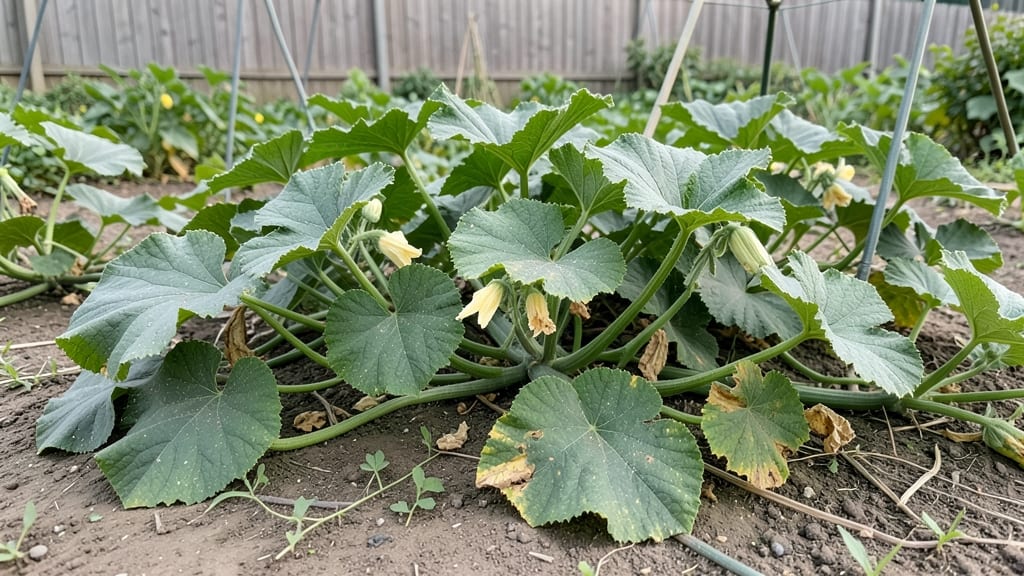
Storing cucumber seeds properly means you’ll save money and grow heirloom varieties year after year. ✨ The paper envelope method keeps seeds dry, labeled, and ready for planting—no special equipment needed.
I’ve stored seeds this way for five seasons without losing viability, and the process takes less than 30 minutes once the seeds are ready.
You’ll need clean, dry cucumber seeds (fully dried for 2–3 weeks after harvest), small paper envelopes, a permanent marker, and a cool, dark place like a seed vault or even your fridge’s crisper drawer.
The key is removing all moisture—seeds stored with even slight dampness will mold within months. Label each envelope with the variety and harvest date to avoid confusion later.
Once fully dried, place seeds in envelopes and seal them tightly. Store them in a sealed container with silica gel packets or a moisture absorber to prevent humidity buildup. Properly stored cucumber seeds remain viable for 3–5 years, though germination rates drop after the second year.
The first year’s seeds will sprout reliably, giving you fresh harvests without buying new packets.
For best results, test a few seeds annually by planting them in damp paper towels—if they sprout within 5–7 days, your stored seeds are still good. This method works for all cucumber varieties, from slicers to picklers, and keeps your garden stocked with exactly the plants you love.
Ready to preserve your seeds for next season?
📚 In This Guide
- What you need
- Instructions
- Tips and common mistakes
- Wrapping up and next steps
What you need
- ● Mature cucumber seeds: Harvest seeds from fully ripened cucumbers (let them ferment for 3–5 days in water to remove pulp). Aim for at least 50–100 seeds for long-term storage.
- ● Paper seed envelopes: Acid-free, archival-quality envelopes (e.g., Manila or kraft paper) to prevent moisture damage. Buy a pack of 10–20 envelopes for bulk storage.
- ● Fine-mesh strainer or sieve: For rinsing and drying seeds thoroughly.
- ● Paper towels or clean cloth: To pat seeds dry after rinsing.
- ○ Small glass jar or airtight container: For initial seed drying (optional but helpful for speed).
- ● Permanent marker: To label envelopes with the seed variety and date.
- ○ Desiccant packets (silica gel): 1–2 packets to absorb moisture inside envelopes (optional but recommended for humidity-prone climates).
- ● Seed storage box: A metal or plastic airtight container with compartments to organize multiple envelopes.
- ● Vacuum-sealing bags: For an extra layer of moisture protection (great for humid areas).
- ● Freezer-safe bag: If storing seeds in a freezer for longer than 5 years.
- ● Humidity indicator card: To monitor moisture levels inside storage containers.
Step-by-Step instructions for storing cucumber seeds
Preserve your cucumber seeds for years with this simple, foolproof method.
🌱 Step 1: Extract and Clean the Seeds
Cut open a ripe cucumber and scoop out the jelly-like pulp containing the seeds. Place the pulp in a bowl of water and let it sit for 24 hours. The viable seeds will sink to the bottom while the pulp and non-viable seeds float to the top. Discard the floating debris and rinse the remaining seeds with clean water.
Spread the seeds on a paper towel to dry completely. This takes about 3-5 days in a warm, dry place. You'll know they're ready when they feel dry to the touch and no moisture remains. Avoid direct sunlight during this process—it can cause the seeds to degrade faster.
🪴 Step 2: Prepare the Storage Envelope
Take a plain, unlined paper envelope—no plastic or treated paper—and write the cucumber variety and the year on it with a pencil. I like to add a small piece of silica gel packet (the kind that comes in shoe boxes) inside the envelope to absorb any lingering moisture. This extra step prevents mold and extends seed life.
Place the dried seeds inside the envelope. Don't overcrowd them—leave room for airflow. Fold the envelope carefully, ensuring the seeds aren't crushed. Label the outside clearly so you won’t forget what’s inside when you open it next year.
💧 Step 3: Store in a Cool, Dry Place
Find a cool, dark spot in your home, like a pantry or closet, where the temperature stays between 50-60°F. Avoid refrigerators, freezers, or areas with high humidity, as these can shorten seed viability. A sealed container isn’t necessary—the paper envelope breathes just fine, keeping the seeds safe from moisture.
Check the envelope occasionally to ensure no moisture has seeped in. If you notice any dampness, open it to air out the seeds for a few hours. Properly stored cucumber seeds can remain viable for 3-5 years, though germination rates may decline after the first year.
⏰ Step 4: Test Viability Before Planting
Before using stored seeds, test their viability by placing a few in a damp paper towel and sealing them in a plastic bag. Keep the bag in a warm spot (around 70°F) for 5-7 days. If most seeds sprout, they’re ready to plant. If fewer than half sprout, consider saving fresh seeds from this year’s crop.
Here’s the thing—older seeds may take longer to germinate, so start them indoors 2-3 weeks earlier than usual. You’ll see slower initial growth, but with patience, they’ll still produce healthy cucumber plants. If germination is poor, it’s time to source fresh seeds for next season.
Tips & tricks for perfect cucumber seed storage
Here's how to maximize seed viability and avoid common pitfalls when preserving your cucumber seeds.
The 24-Hour Soak Secret: During Step 1, don't rush the 24-hour soak—this crucial time allows the pulp to fully break down while letting viable seeds sink naturally. I've found that using lukewarm water (around 70°F) speeds up the separation process slightly without harming the seeds. After 24 hours, give the seeds one final gentle swirl to ensure all floating debris is removed before rinsing.
Drying Technique Matters: When drying seeds in Step 1, spread them in a single layer on paper towels and place them in a spot with good airflow—like an open cupboard or seed tray. The 3-5 days drying time can vary based on humidity levels in your home. If your kitchen feels particularly damp, consider using a small fan on low setting to circulate air around the seeds without direct airflow.
Envelope Essentials: In Step 2, the paper envelope choice is critical—avoid any treated or glossy paper that might contain chemicals harmful to seeds. For extra protection against moisture, place the silica gel packet inside the envelope before adding seeds. This creates a mini moisture barrier that can extend seed viability by up to a year. I like to use small manila envelopes because they're sturdy and resistant to tearing.
Storage Environment Check: The 50-60°F range in Step 3 is ideal, but don't worry if your pantry fluctuates slightly. What matters most is consistency—avoid areas with temperature swings or direct sunlight exposure. A closet with a small gap under the door often maintains perfect conditions. If you notice condensation forming on your envelope during winter, move it to a slightly warmer location temporarily to prevent moisture buildup.
Pro Tips for Store Cucumber Seeds
- Here's how to maximize seed viability and avoid common pitfalls when preserving your cucumber seeds.
- The 24-Hour Soak Secret: During Step 1, don't rush the 24-hour soak—this crucial time allows the pulp to fully break down while letting viable seeds sink naturally.
- Drying Technique Matters: When drying seeds in Step 1, spread them in a single layer on paper towels and place them in a spot with good airflow—like an open cupboard or seed tray.
Frequently asked questions
Got questions about storing cucumber seeds? You’re not alone—seed saving can feel tricky at first! Below, we’ve rounded up the most common concerns and broken them down so you can keep your seeds viable and ready for next season.
How long can I store cucumber seeds before they lose viability?
Properly stored cucumber seeds can stay good for 3–5 years (some even last up to 10!). Store them in a cool, dry place (like your fridge or a seed vault) with a desiccant packet to prevent moisture buildup. Check for freshness by testing germination—if fewer than 50% sprout, it’s time to refresh your stash!
When is the best time to harvest seeds from cucumbers for storage?
Wait until the cucumber is fully ripe and overripe (soft, mushy, and often yellow or brown). Scoop out the seeds, ferment them in water for 3–5 days (this removes gelatinous coating), then rinse and dry on paper towels before storing. Harvesting too early can reduce seed viability—patience pays off!
Can I store cucumber seeds in the fridge or freezer instead of a paper envelope?
Yes! Both work, but with tweaks:
- Fridge: Use an airtight container with a desiccant (like silica gel) to absorb moisture. Label and store in the crispier drawer for long-term freshness.
- Freezer: Place seeds in a ziplock bag with a paper towel to wick away moisture. Freezing halts aging but can cause condensation—thaw seeds slowly before planting.
What do I do if my stored cucumber seeds get moldy or smell bad?
Don’t panic! If you spot mold or a musty odor, your seeds may have absorbed moisture. Act fast:
- Remove seeds from the envelope/containter.
- Spread them on a paper towel in a dry, sunny spot to air-dry for 24–48 hours.
- Check for mold again—if it persists, discard the seeds (mold can kill seedlings).
How do I know if my stored cucumber seeds are still good for planting?
Test germination with the paper towel method:
- Moisten a paper towel and place 10 seeds in the center.
- Fold the towel and put it in a ziplock bag.
- Store in a warm spot (70°F) for 5–7 days.
Wrapping up and next steps
Storing cucumber seeds properly is your ticket to a thriving garden next season—no guesswork, just reliable, fresh seeds ready to grow! By following the paper envelope method, you’ll preserve viability for years while keeping moisture and pests at bay.
Whether you’re a seasoned gardener or just starting out, this simple technique ensures you’re always prepared for planting day.
Now that you’re equipped with the know-how, grab those seeds and give them the care they deserve. Happy storing—and here’s to a bountiful harvest ahead! 🌱✨