How To
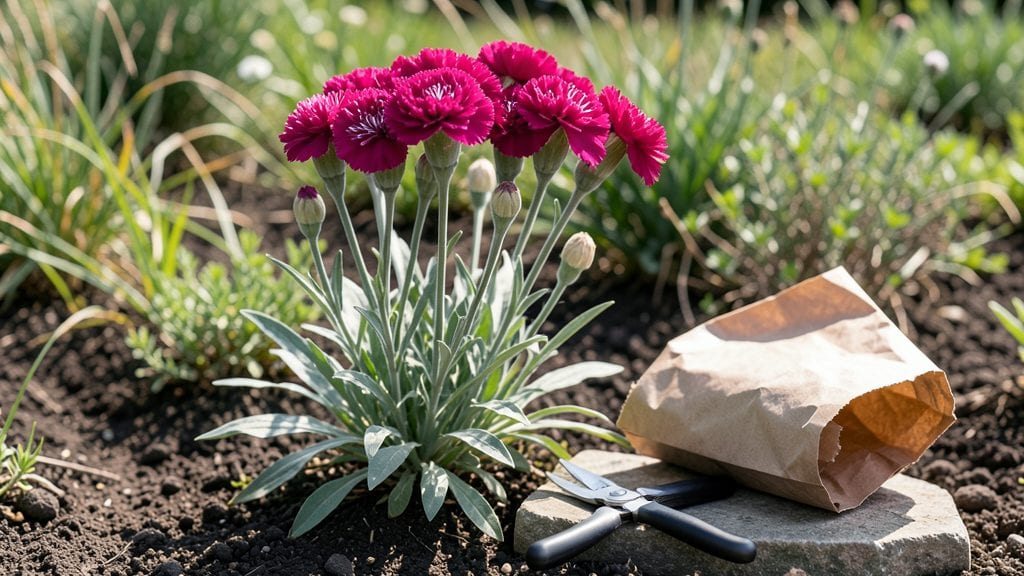
Harvesting carnation seeds starts when the pods turn brown and papery—a sign they’re ready to split open and release their treasure.
Carnations aren’t just beautiful flowers—they can also be a seed harvest goldmine if you know the right timing and technique. Learn how to collect viable seeds from mature carnation pods before they scatter, ensuring next year’s garden blooms with ease.
Most gardeners miss the window because they wait for the pods to crack on their own, but by then, seeds may have already scattered. The key is to watch for dry, brown pods that rattle when shaken—this is your cue to act fast.
In this guide, I’ll walk you through the exact steps to harvest, store, and save carnation seeds for future planting, so you can enjoy more blooms without buying new plants.

When to harvest carnation seeds: identifying mature seed pods
Harvesting carnation seeds at the right time ensures high germination rates and healthy future plants. The key is waiting until the seed pods fully mature—too early, and seeds won’t be viable; too late, and they’ll scatter in the wind.
I’ve learned this the hard way after watching seeds blow away before I could collect them!
Mature carnation seed pods undergo visible color changes from green to brown, signaling it’s time to act. These pods also become dry and papery, often splitting open naturally to release seeds.
If you miss this window, you risk collecting seeds that won’t sprout—or worse, losing them entirely to wind or wildlife.
Here’s what to watch for: brown, dry pods that easily crack open when gently squeezed. Inside, you’ll hear seeds rattle—a clear sign they’re ready. Ignoring these cues can lead to wasted effort, so pay close attention to your plants’ progress.
Timing matters most in late summer to early fall, typically September to October, when carnations finish blooming. This aligns with their natural lifecycle, giving seeds enough time to develop while avoiding early frost risks.
🌸
One critical mistake I’ve seen gardeners make is harvesting pods that are still green. These seeds won’t germinate because they’re underdeveloped. Always wait until pods turn fully brown and dry—this usually takes 4-6 weeks after flowers fade.
Another clue is the sound of seeds rattling inside. If you gently shake a pod and hear movement, it’s ripe. If not, give it more time. This simple test saves hours of frustration and ensures you’re collecting viable seeds.
Weather plays a role too. Harvest on a dry, sunny day to prevent moisture from speeding up pod decay. Early morning is ideal—pods are crisp, and seeds won’t stick to damp surfaces. Avoid rainy days, as wet pods can rot before you harvest.
Once pods split open naturally, act fast. Seeds may scatter within 24-48 hours, especially in windy conditions. Place a paper bag under the plant to catch falling seeds, or gently shake pods over the bag to collect them manually.
If you’re unsure whether a pod is ready, cut it open and check the seeds. They should be plump and dark-colored, not shriveled or pale. This quick inspection gives you peace of mind before committing to harvest.
🌾
Best methods for collecting and storing carnation seeds
Once your carnation seed pods turn brown and papery, it’s time to harvest. The key is acting quickly—seeds scatter easily when pods split open naturally. I’ve found that hand-picking works best for small gardens, while bagging methods are ideal for larger patches to prevent seed loss.
Both techniques require gentle handling to avoid damaging the delicate seeds inside.
Timing matters most—harvest on a dry, sunny day when humidity is low. This minimizes the risk of mold during drying. I always wear thin gardening gloves to protect my hands from the fine, dust-like seeds that can irritate skin.
If you’re harvesting in bulk, consider using a paper bag or breathable mesh bag to collect pods before processing.
⚠️ Critical Step: Avoid Overripe Pods
Harvest carnation seed pods only when fully brown—never green or partially dried. Overripe pods release seeds prematurely, reducing viability. Gently squeeze pods to check: if seeds rattle freely, they’re ready. If pods resist, wait 2–3 more days.
For hand-picking, use a small pruning shear or your fingers to snip pods at the stem. Place them in a well-ventilated container like a cardboard box with holes.
Avoid plastic—it traps moisture and encourages mold. I like to label containers with the variety name and harvest date to track seed freshness.
If you’re working with large quantities, try the bagging method. Slip a breathable paper bag over each stem cluster and secure it with a rubber band. Shake gently to release seeds into the bag.
This method works best for tall carnations where hand-picking is difficult. Always remove bags promptly after seeds are collected to prevent overheating.
After collection, spread pods on a clean, dry surface in a single layer. Let them dry for 3–5 days in a cool, dark place (like a basement or garage) with good airflow.
Once fully dry, rub pods between your fingers to release seeds. Store them in airtight containers with a silica gel packet to absorb excess moisture.
For long-term storage, keep seeds in a cool, dark location (ideally 35–40°F) to maintain viability for 2–3 years. Label containers with the harvest year and variety to avoid confusion.
Test a few seeds annually by planting them in moist potting mix—if germination rates drop below 50%, it’s time to harvest fresh seeds.