
Size
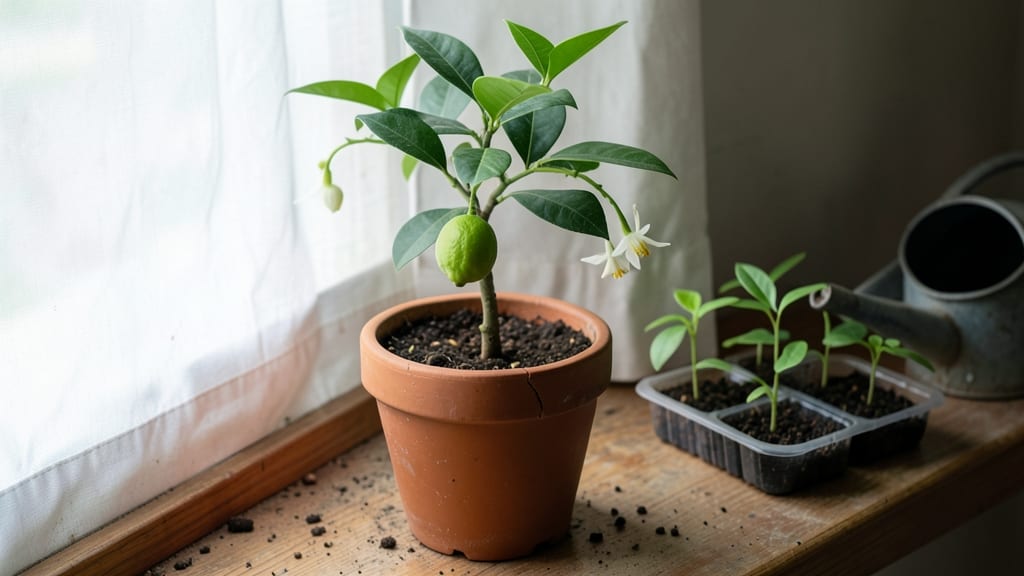
Growing lemon seeds indoors lets you raise a sunlit citrus tree from a kitchen scrap in just six months. ✨ The first time I watched a tiny seedling unfurl bright green leaves, I knew this was magic worth repeating—no greenhouse or fancy tools required.
Most people assume citrus needs a warm climate, but with the right light and patience, you can grow a thriving plant from a seed you saved from a grocery store lemon.
You’ll need a small pot, well-draining soil mix, and a sunny windowsill or grow light—citrus loves bright conditions. The tricky part is germination, which can take 3-6 weeks if you’re not careful about keeping the soil warm and moist.
I’ve learned that consistency is key: too much water drowns the seed, too little halts growth entirely. Once sprouted, your seedling will need 6+ hours of light daily to stay lush and avoid stretching toward the window.
By month six, you’ll have a 3-4 foot plant with glossy leaves, though fruit won’t appear for years. The real reward? Watching it grow from a speck of seed into something alive and green—proof that citrus thrives indoors with the right care.
The trade-off? Seed-grown lemons are tart and seedy, but the journey makes the process worth it.
This method works in apartments, kitchens, or sunrooms—anywhere you can provide steady light. If you’re dreaming of lemons but lack outdoor space, this is your chance to grow one from scratch. Let’s get those seeds sprouting!
📚 In This Guide
- What you need
- Instructions
- Tips and common mistakes
- Wrapping up and next steps
What you need
- ● Lemon seeds: 3–5 fresh, plump seeds (harvested from organic lemons for best results).
- ○ Seed-starting tray or small pots: 4–6 containers (4–6 inches deep) with drainage holes. Optional: Biodegradable peat pots for easy transplanting.
- ● Well-draining potting mix: A high-quality seed-starting mix or a blend of 50% peat moss + 50% perlite/vermiculite (sterilized to prevent mold).
- ● Spray bottle: For gentle watering (10–15 oz capacity).
- ● Clear plastic wrap or humidity dome: To retain moisture while seeds germinate.
- ● Grow lights or sunny windowsill: A south-facing window (6+ hours of sunlight) or a 12–16" LED grow light (if natural light is limited).
- ● Fertilizer: A balanced, water-soluble fertilizer (5-5-5 or 10-10-10 NPK ratio) for seedlings.
- ● Small hand trowel or spoon: For planting seeds without damaging them.
- ● Heating mat: Speeds up germination (70–80°F range).
- ● Humidity tray: A shallow tray filled with pebbles and water to boost moisture levels.
- ● Pruning shears: For trimming leggy seedlings later on.
- ● Lemon tree support: A small stake or trellis (for when your plant reaches 12+ inches).
- ● pH testing kit: Ensures soil pH stays between 6.0–7.0 (ideal for citrus).
Step-by-Step instructions for growing lemon seeds indoors
Here’s how to turn a single lemon into a thriving indoor citrus tree—no green thumb required.
🌱 Step 1: Extract and Prepare the Seeds
Cut your lemon in half and scoop out the seeds, rinsing them gently to remove any pulp. Place them on a paper towel and let them air-dry for 24 hours—this prevents mold. I like to spread them in a single layer on a clean plate, turning them occasionally so they dry evenly.
Once dry, store them in a sealed container in the fridge for 1-2 weeks. This cold treatment mimics winter dormancy, which helps break dormancy and speeds up germination. Don’t skip this—it’s the secret to faster, stronger sprouts.
🪴 Step 2: Choose Containers and Fill With Soil
Use 4-inch diameter pots for each seed—smaller is better at this stage. Fill them with well-draining potting mix (avoid garden soil; it’s too dense). Leave about ½ inch of space at the top of the pot for watering. I tap the pot gently on the table to settle the soil without compacting it.
Make a small hole in the center of each pot with your finger, about ½ inch deep. Drop 1-2 seeds into each hole—planting two gives you a backup if one doesn’t sprout. Cover them lightly with soil, just enough to hide them completely. Water gently until the soil is moist but not soggy.
☀️ Step 3: Provide Warmth and Humidity
Place the pots in a warm spot (ideally 70-75°F). A seedling heat mat works wonders, but a sunny windowsill near a heater will do in a pinch. Cover the pots with clear plastic wrap to trap humidity—this mimics the tropical conditions lemons love.
Check the soil daily. Keep it evenly moist but never waterlogged. Mist the plastic wrap occasionally to maintain high humidity inside. Germination takes 2-4 weeks, so patience is key. You’ll know it’s working when you see tiny green sprouts pushing through the soil.
💧 Step 4: Care for Seedlings and Transplant
Once the seedlings reach 3-4 inches tall, remove the plastic wrap and move them to a sunny window (south-facing is best). Rotate the pots quarter-turn weekly so they grow straight. Water when the top inch of soil feels dry—lemon trees hate soggy roots but also can’t handle drought.
After 3 months, transplant the strongest seedling into a 6-inch pot with fresh potting mix. Handle the roots gently—lemons are sensitive to disturbance. Place it in a spot with bright, indirect light (direct sun can scorch young leaves). You’ll see new growth within 2-3 weeks—that’s your sign it’s thriving.
⏰ Step 5: Maintain and Encourage Fruit Production
By 6 months, your lemon tree should be 1-2 feet tall. Prune leggy growth to encourage bushier shape, and fertilize every 2 months with a balanced citrus fertilizer. Keep the soil moist but well-draining—lemons need consistent moisture but hate waterlogged roots.
Here’s the fun part: If your tree gets enough light and care, it might produce tiny, inedible lemons within 2-3 years. Even if it doesn’t fruit, the glossy leaves and fragrant blooms make it a stunning indoor plant. Keep it happy, and it’ll reward you for years.
Tips & tricks for growing lemon seeds indoors
These little-known tricks will help you turn those lemon seeds into a thriving indoor tree without the guesswork.
Germination Boost: The 24-hour drying time in Step 1 is non-negotiable—it prevents mold and ensures healthy sprouts. After drying, I like to give the seeds a quick 10-second soak in warm water before planting. This jumpstarts hydration without over-saturating the seeds.
Soil Selection Tip: For Step 2, don't just grab any potting mix—look for one labeled "citrus" or "cactus/succulent." These mixes have the perfect drainage for lemon trees. I add a handful of perlite to mine for extra aeration, which prevents those dreaded soggy roots.
Humidity Hack: In Step 3, instead of just covering with plastic wrap, I place the pots on a tray filled with pebbles and water. The evaporation creates a natural humidity dome around the seedlings. This mimics tropical conditions better than plastic alone and reduces the risk of mold.
Light Transition Strategy: When moving seedlings to sunlight in Step 4, don't put them in direct sun immediately. I gradually increase exposure over 3-4 days—starting with just 1 hour of morning sun, then slowly building to full sunlight. This prevents leaf scorch and helps the seedlings adjust.
Pro Tips for Grow Lemon Seeds Indoors
- These little-known tricks will help you turn those lemon seeds into a thriving indoor tree without the guesswork.
- Germination Boost: The 24-hour drying time in Step 1 is non-negotiable—it prevents mold and ensures healthy sprouts.
- Soil Selection Tip: For Step 2, don't just grab any potting mix—look for one labeled "citrus" or "cactus/succulent."
Frequently asked questions
Got questions?
Growing lemon seeds indoors is rewarding but can raise a few common concerns—we’ve got you covered! Here are answers to the most juicy questions to help your indoor citrus thrive.
How long does it take for lemon seeds to sprout indoors?
Most lemon seeds sprout within 2–4 weeks if kept warm (70–85°F) and moist. Use a heating mat or place the pot in a sunny spot near a radiator to speed things up. Patience is key—some stubborn seeds take up to 6 weeks!
Can I grow a lemon tree from a grocery store lemon?
Store-bought lemons are perfect for indoor growing. Just rinse the seeds thoroughly to remove pulp, which can mold. Pro tip: Choose organic lemons to avoid chemical residues that might slow germination.
How fast will my indoor lemon tree grow, and when can I expect fruit?
Indoor lemon trees grow slowly—expect 6–12 inches per year with ideal care. Fruit production is a long game: 3–5 years for dwarf varieties, and even longer for standard trees. Focus on healthy growth first!
Why are my lemon seed leaves turning yellow?
Yellowing leaves (chlorosis) usually mean overwatering, nutrient deficiency, or poor drainage. Check the soil—it should be slightly dry between waterings. Add citrus fertilizer every 2–3 months, and ensure the pot has drainage holes.
Do indoor lemon trees need full sun like outdoor ones?
Indoor lemon trees thrive in bright, indirect light (6+ hours daily). A south- or west-facing window is ideal, but supplement with a grow light if natural light is dim. Avoid harsh direct sun, which can scorch delicate leaves.
Can I replant my lemon seedling outdoors later?
Yes! Once your seedling is 1–2 feet tall and the risk of frost has passed, acclimate it outdoors gradually (a process called hardening off). Choose a warm, sunny spot with well-draining soil—your indoor citrus could become a stunning patio tree!
Wrapping up and next steps
Growing lemon seeds indoors is a rewarding journey that brings a touch of sunshine into your home—literally! 🌱 With the right care, patience, and a little sunlight, you can nurture a thriving citrus tree in just six months.
Whether you’re a beginner or a plant enthusiast, this project is a fun way to connect with nature and enjoy fresh lemons (or at least fragrant blooms) year-round.
Ready to take the next step? Start with one seed today—your future lemon tree is just a few weeks of tender love and care away! 🍋✨