Lawn
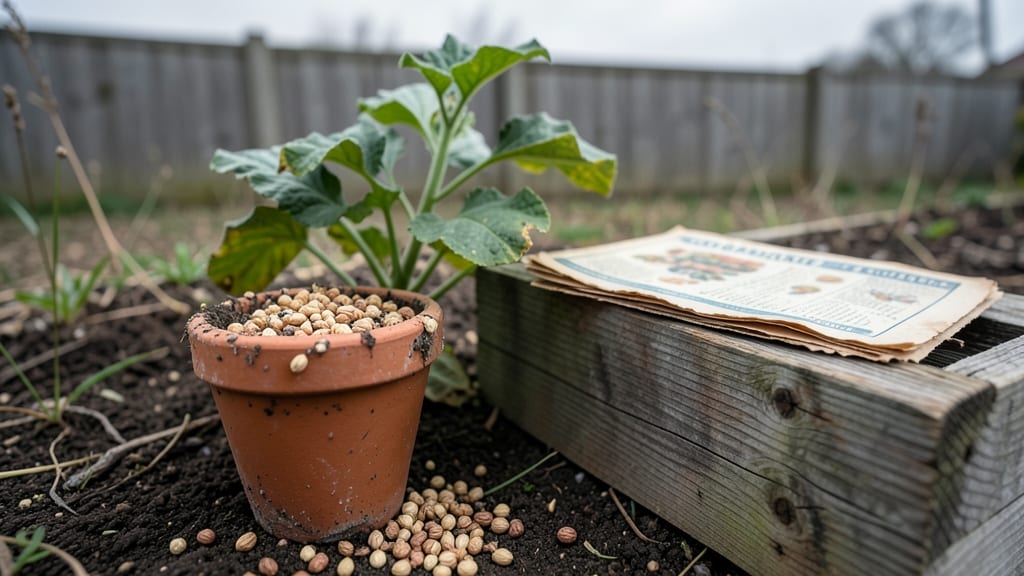
To find the best Guernsey seed catalog, look for specialty varieties like heirloom tomatoes, rare herbs, and cold-hardy vegetables from suppliers offering detailed growing guides, organic certification, and trusted seed purity guarantees.
Guernsey seed catalogs stand out because they focus on heritage varieties that thrive in specific climates—something conventional seed suppliers often overlook. 🌱 These catalogs prioritize seeds with exceptional flavor, disease resistance, and historical significance, making them ideal for gardeners who value authenticity.
Many also include expert tips for preserving seeds year after year, which can save you money while supporting biodiversity.
When comparing suppliers, pay close attention to their reputation for seed quality and customer service. Look for catalogs that offer free shipping on orders over $50 or include beginner-friendly starter kits, which can make the process less intimidating.
Organic certification is another key factor, as it ensures the seeds haven't been treated with synthetic chemicals that could harm your soil or plants.
💡 In This Article
- What Makes Guernsey Seeds Unique in Seed Catalogs
- Top 5 Features to Compare in Guernsey Seed Suppliers
What makes Guernsey seeds unique in seed catalogs
Guernsey seeds trace their roots to the Channel Islands' unique microclimate, where maritime winds and nutrient-rich soil created ideal conditions for developing hardy, flavorful plant varieties.
These seeds are prized for their adaptive genetics—plants bred to thrive in cooler maritime climates with high humidity, often outperforming conventional hybrids in similar conditions.
For example, Guernsey heirloom tomatoes like 'Guernsey Royal' develop a sweeter, more complex flavor when grown in coastal regions due to slower ripening and higher sugar accumulation.
The botanical uniqueness lies in their disease resistance, a trait honed over centuries.
Many Guernsey varieties carry natural defenses against common pathogens like blight and powdery mildew, thanks to selective breeding practices that prioritized survival over yield. 🌿 Take Guernsey cabbage, which contains 20-30% more vitamin C than standard varieties and resists rot better in damp conditions.
This resilience makes them perfect for organic gardeners who avoid chemical treatments. The seeds also maintain genetic purity through careful isolation during harvest, ensuring true-to-type plants year after year.
Flavor profiles set Guernsey seeds apart too. Unlike mass-produced hybrids bred for uniformity, these varieties often deliver intense, nuanced tastes—think briny, buttery peas or deeply aromatic herbs like Guernsey tarragon.
The slow-growth adaptation means more time for flavor development, similar to how wine grapes left longer on the vine create richer wines. Gardeners report that even in less-than-ideal conditions, Guernsey produce tastes superior to conventional varieties, making them worth the extra effort.
Preservation methods play a crucial role in their uniqueness. Many Guernsey seed suppliers offer long-term storage instructions that extend viability beyond the typical 2-3 years for commercial seeds.
Techniques like low-moisture drying (below 5% humidity) and vacuum sealing help maintain germination rates for 5-10 years, thanks to the seeds' natural hardiness.
This aligns with traditional seed-saving practices where gardeners would dry seeds in sunlit, well-ventilated spaces for maximum longevity—a practice still recommended by modern Guernsey seed catalogs.
What most gardeners discover is that Guernsey seeds often outperform conventional varieties in specific growing challenges. Their ability to adapt to poor soils (through deep root systems) and withstand wind damage (via sturdy stems) makes them ideal for coastal or high-altitude gardens.
The trade-off? They may require slightly longer growing seasons to reach maturity, but the payoff in flavor and yield quality justifies the wait. For instance, Guernsey beans often produce 30% more pods per plant than commercial varieties when given proper care.
This heritage focus extends beyond vegetables. Guernsey seed catalogs frequently feature rare flower varieties like Channel Island poppies, which attract pollinators with their prolonged blooming periods (up to 6 weeks longer than standard poppies).
The catalogs often include historical growing diaries from 19th-century Guernsey farmers, showing how these plants thrived in rocky, nutrient-poor soils—a testament to their botanical ingenuity. 💫