
Propagation
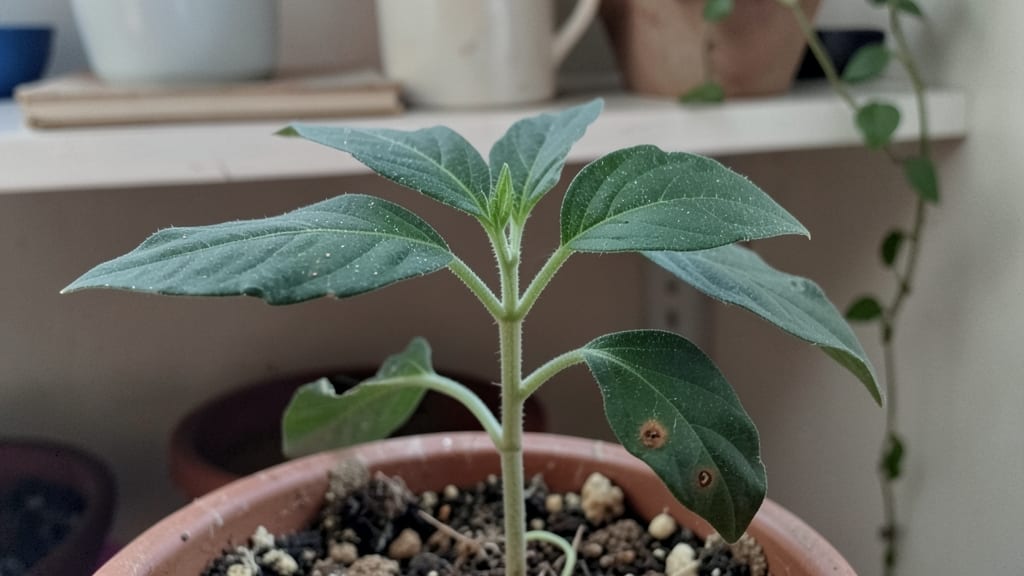
Growing early jalapeño seedlings starts with the right timing and warmth—those first green leaves can appear in just 3 weeks if you nail the basics. I’ve learned the hard way that rushing seeds or skimping on light leads to weak, leggy plants that never catch up.
The secret isn’t complicated: it’s about matching their needs at every stage, from the cozy germination phase to the bright, airy growth period.
Most people overlook the soil temperature—peppers need it to stay above 75°F before they’ll even think about sprouting. Too cool, and you’re waiting weeks; too hot, and the roots get stressed.
I use a seedling heat mat for the first two weeks, then move them under grow lights for 14–16 hours a day. The key is keeping them 1–2 inches tall before transplanting, which gives them enough strength to handle the heat without bolting.
By week 3, you’ll see those first true leaves—thick, dark, and ready to take on the world. The plants will be stocky, not stretched, with roots filling their starter pots.
That’s when you know you’ve done it right: they’re not just alive, they’re built for heat, and soon you’ll be harvesting peppers that pack real fire. The biggest mistake? Waiting too long to transplant—once they hit 4–5 inches, they’re ready to move outdoors or into larger containers.
This method works for any pepper variety, but jalapeños thrive especially well with it. Whether you’re a first-timer or a seasoned grower tweaking your schedule, these early seedlings set the stage for a bold, productive harvest. Let’s get those seeds sprouting—your first harvest is closer than you think.
Common causes of Premature growth
Understanding why your early jalapeño seedlings might sprout or grow faster than expected starts with recognizing the environmental and biological triggers at play. Jalapeños are heat-loving plants, but their rapid early development isn’t always a sign of health—it can indicate stress or ideal conditions gone overboard.
Let’s break down the key factors that accelerate growth in young seedlings, so you can adjust your approach for stronger, healthier plants.
Jalapeños thrive in warm soil, but excessive heat can trick seedlings into germinating or growing too quickly before they’re ready.
Soil temperatures above 85°F (29°C) can cause: - Premature germination if seeds are planted too early in warm conditions. - Stretched, weak stems as seedlings race to reach light, becoming leggy and prone to falling over. - Root stress due to rapid metabolic activity before the seedling has developed a strong root system.
Why it happens: Jalapeño seeds contain gibberellins, a class of plant hormones that promote growth when triggered by warmth. If the soil is too hot, these hormones activate too soon, leading to bolting (rapid stem elongation) before the seedling has established roots or leaves. This is especially common in greenhouse setups or indoor growing where heat builds up quickly.
Actionable fix:
- Monitor soil temperature with a seedling heat mat thermometer—ideal range is 75–85°F (24–29°C) for germination, but cool slightly (68–75°F / 20–24°C) once sprouts appear.
- Use shade cloth if growing outdoors in hot climates to prevent soil from overheating.
- Avoid bottom heat (like heat mats) once seedlings emerge—switch to ambient warmth to slow growth until they’re sturdy.
Water stress—whether too much or too little—can disrupt a jalapeño seedling’s natural growth rhythm.
While moisture triggers germination, fluctuations in soil dampness can cause: - Uneven germination, where some seeds sprout early while others lag. - Stunted root development if soil dries out too quickly after planting. - Fungal issues (like damping-off) if soil stays soggy, leading to weak, early growth followed by collapse.
Why it happens: Jalapeño seeds need consistent moisture to soften their seed coats and activate enzymes that break down stored nutrients. If the soil dries out or becomes waterlogged, the seedling’s ethylene production (a stress hormone) spikes, accelerating growth in a desperate attempt to stabilize. This often results in weak, etiolated (pale, stretched) seedlings that can’t support themselves.
Actionable fix:
- Keep soil evenly moist (not soggy) during germination—use a spray bottle for gentle watering to avoid disturbing seeds.
- Use a humidity dome or plastic wrap to retain moisture without overwatering.
- Avoid cold water—use room-temperature water to prevent shocking the seeds.
Seedlings crave light, but too much or too little can send them into a growth frenzy. Jalapeños are short-day plants, meaning they respond to light cycles, but young seedlings don’t yet understand the difference.
Common light-related triggers for early growth include: - Leggy, tall seedlings from low-light conditions, where they stretch toward any available light source. - Burnt or yellowing leaves from direct, intense sunlight (like a south-facing window), causing stress and rapid (but unhealthy) growth. - Bolting (flowering too early) if seedlings receive longer daylight hours than expected (common in indoor setups with artificial grow lights).
Why it happens: When seedlings don’t get enough light, they overproduce auxin (a growth hormone) to reach for light, leading to weak, elongated stems. Conversely, excessive light (especially UV exposure) can overstimulate chlorophyll production, causing seedlings to grow too fast before their roots and structure are ready. This imbalance disrupts the photoperiodic response, tricking the plant into thinking it’s time to flower.
Actionable fix:
- Provide 12–16 hours of light daily using grow lights (LED or fluorescent) placed 2–3 inches above seedlings.
- Rotate seedlings daily to prevent uneven growth toward the light source.
- Use sheer curtains if growing near windows to diffuse harsh sunlight.
While young seedlings don’t need much fertilizer, too many nutrients (especially nitrogen) can cause explosive, weak growth.
Common signs of nutrient-related early growth include: - Dark green, glossy leaves from excess nitrogen. - Slow root development as the plant focuses energy on foliage instead of roots. - Salinity stress if fertilizer concentrations are too high, leading to osmotic stress and accelerated (but unhealthy) growth.
Why it happens: Jalapeños are heavy feeders, but seedlings are sensitive to salts in fertilizer. When exposed to high nutrient levels, they hyper-activate metabolic pathways, leading to rapid (but structurally unsound) growth. This is especially true if you’ve used compost tea, fish emulsion, or synthetic fertilizers too early.
Actionable fix:
- Wait 3–4 weeks before fertilizing seedlings—use half-strength diluted fertilizer (like ¼ teaspoon of 10-10-10 per gallon of water).
- Flush soil with water if you suspect salt buildup.
- Use organic options like seaweed extract (diluted to 1 tsp/gallon) for a gentler nutrient boost.
Not all jalapeño seeds are created equal!
Some varieties or older seeds may germinate or grow faster due to: - Hybrid vigor—some F1 hybrids (like ‘Early Jalapeño’) are bred for rapid growth. - Seed aging—older seeds may have reduced dormancy, leading to quicker (but sometimes weaker) germination. - Pre-sprouted seeds—if seeds were stored in warm, humid conditions, they may have started germinating before planting.
Why it happens: Jalapeños with shorter juvenile phases (the time before flowering) are genetically programmed to grow faster. Meanwhile, seeds that have lost viability or been pre-conditioned (e.g., stored in a warm, damp environment) may germinate prematurely, leading to seedlings that bolt or struggle to establish.
Actionable fix:
- Buy fresh seeds (from the current or previous year) for more predictable germination.
- Test a few seeds in a damp paper towel before planting to check for pre-sprouting.
- Choose early-maturing varieties like ‘Early Jalapeño’ or ‘Super Early’ if you want faster (but controlled) growth.
Quick Fixes for Failing Seedlings
Reviving or preventing issues with your early jalapeño seedlings starts with identifying the root cause—and then acting fast. Below, we’ve mapped out practical solutions for common problems, from wilting to stunted growth, along with prevention tips to keep your seedlings thriving.
Think of this as your emergency guidebook for tiny, heat-loving peppers!
Cause: Poor soil moisture, incorrect temperature, or old seeds. Fix:
- 🔥 Warm Up the Soil: Place your seed tray on a seedling heat mat (70–85°F) or near a sunny window. Jalapeños love warmth—think tropical vibes!
- 💧 Gentle Watering: Mist the soil lightly (not soggy!) with room-temperature water. A spray bottle works best to avoid disturbing seeds.
- 🌡️ Patience is Key: Germination can take 7–14 days. If nothing sprouts in 2 weeks, your seeds may be too old—try fresh ones!
Prevention Tip: 💡 Soak seeds overnight in warm water before planting to kickstart germination. Store seeds in a cool, dry place (like a fridge) to extend their viability.
Cause: Overwatering, underwatering, or insufficient light. Fix:
- 👨🍳 Drainage First: If leaves are yellow and mushy, your seedlings are drowning. Repot in fresh, well-draining soil (mix potting soil with perlite or vermiculite).
- ☀️ Light Up Their Lives: Leggy, pale seedlings? They need 12–16 hours of light daily. Use a grow light 2–3 inches above them if natural light is weak.
- 💧 Water Smart: Water only when the top inch of soil is dry. Stick your finger in—if it’s damp, wait!
Prevention Tip: ✨ Bottom-water your seedlings by placing the tray in a shallow dish of water for 10 minutes. This encourages roots to grow downward and reduces fungal risks.
Cause: Fungus gnats, aphids, or spider mites (common in damp soil). Fix:
- 🔪 Remove the Bad Guys: Use a soft brush or cotton swab dipped in soapy water to gently wipe off pests. For fungus gnats, yellow sticky traps work wonders.
- 🌿 Natural Repellent: Spritz seedlings with neem oil solution (1 tsp neem oil + 1 quart water). Reapply every 5–7 days.
- 🌡️ Dry Out the Soil: Let the top layer dry between waterings to discourage fungal growth.
Prevention Tip: 🎯 Start with sterile soil and avoid overcrowding seedlings. A fan on low can also deter pests by creating airflow.
Cause: Nutrient deficiency, root bound, or transplant shock. Fix:
- 🍳 Fertilize Lightly: Use a balanced, water-soluble fertilizer (like 5-5-5) at half strength once true leaves appear. Over-fertilizing burns young roots!
- 🌱 Repot if Needed: If roots are circling the pot, transplant to a slightly larger container with fresh soil. Handle gently to avoid shock.
- 💪 Support Their Roots: Add compost or worm castings to the soil for a nutrient boost without overwhelming them.
Prevention Tip: 💡 Start with high-quality seedling mix (not garden soil) to avoid compacting roots. Avoid fertilizing until after the first true leaves emerge.
Cause: Extreme temps (below 50°F or above 90°F) slow growth. Fix: - 🔥 Keep It Cozy: Ideal temps for seedlings: 65–80°F during the day, 55–65°F at night.
Use a greenhouse tent or move pots indoors if outdoors gets too chilly. - 🌬️ Ventilate Carefully: If using a heat mat, ensure good airflow to prevent mold.
A small fan on low can help circulate air. - 🌱 Harden Off Gradually: Before transplanting, expose seedlings to outdoor temps for 1–2 hours daily, increasing time over a week.
Prevention Tip: 🌡️ Monitor with a thermometer—cheap digital ones work great! Avoid placing seedlings near drafts or direct heat sources (like radiators).
Cause: Overwatering, poor airflow, or contaminated soil. Fix: - 🧼 Sterilize the Area: Remove affected seedlings and wash pots with 1 part bleach to 9 parts water.
Rinse thoroughly. - 🌿 Fungal Treatment: Sprinkle baking soda (1 tsp per gallon of water) or hydrogen peroxide (3%) on soil to kill fungus. Reapply every 3–4 days. - 🌱 Refresh the Soil: Repot healthy seedlings in sterile, fungicide-treated soil. Avoid reusing old soil if mold was present.
Prevention Tip: 💡 Sterilize tools between uses with rubbing alcohol. Space seedlings 2–3 inches apart for airflow.
- 🗓️ Track Progress: Keep a seedling journal noting watering, light, and growth.
This helps spot patterns fast. - 🌱 Rotate Pots: Turn seedlings quarter-turn daily so they grow straight (not lopsided toward the light). - 🛒 Invest in Quality: Skip cheap trays—biodegradable peat pots or plastic cell packs with drainage holes make transplanting easier.
With these fixes, your early jalapeño seedlings will be strong, spicy, and ready for transplant in no time! 🌶️🔥
Frequently asked questions
How long does it take for jalapeño seedlings to reach transplant size?
With proper care, jalapeño seedlings typically reach transplant size—about 4–5 inches tall with 4–6 true leaves—in 3–4 weeks. This timeline assumes consistent warmth (75–85°F soil), 12–16 hours of light daily, and balanced moisture. Early varieties like ‘Super Early’ may be ready in as little as 21 days.
Why are my jalapeño seedlings growing too fast and getting leggy?
Leggy growth happens when seedlings stretch toward light due to insufficient brightness or uneven light exposure. To fix it, move seedlings under grow lights (2–3 inches above) for 14–16 hours/day and rotate pots daily. Reduce heat mats once sprouts emerge—cool soil (68–75°F) slows rapid growth while encouraging sturdy stems.
Can I transplant jalapeño seedlings too early?
Yes, transplanting too early—before seedlings have 4–6 true leaves or are 3–4 inches tall—can stunt growth or shock their roots. Wait until nighttime temps stay above 55°F and harden off seedlings by gradually exposing them to outdoor conditions for 1–2 hours/day over 5–7 days before permanent planting.
What’s the best way to store jalapeño seeds for next year?
Store seeds in a cool, dry place (like a fridge) in an airtight container with a silica gel packet to absorb moisture. Label with the variety and date—jalapeño seeds stay viable for 2–3 years if kept below 40°F. Avoid humidity or temperature fluctuations, which can reduce germination rates.
How do I know if my jalapeño seedlings need more light?
Leggy, pale stems and leaves reaching toward the light are clear signs of insufficient light. Place seedlings under grow lights (LED or fluorescent) for 12–16 hours/day, keeping lights 2–3 inches above the plants. If using natural light, ensure they get 6+ hours of direct sunlight daily—south-facing windows work best in cooler climates.