
Aphids
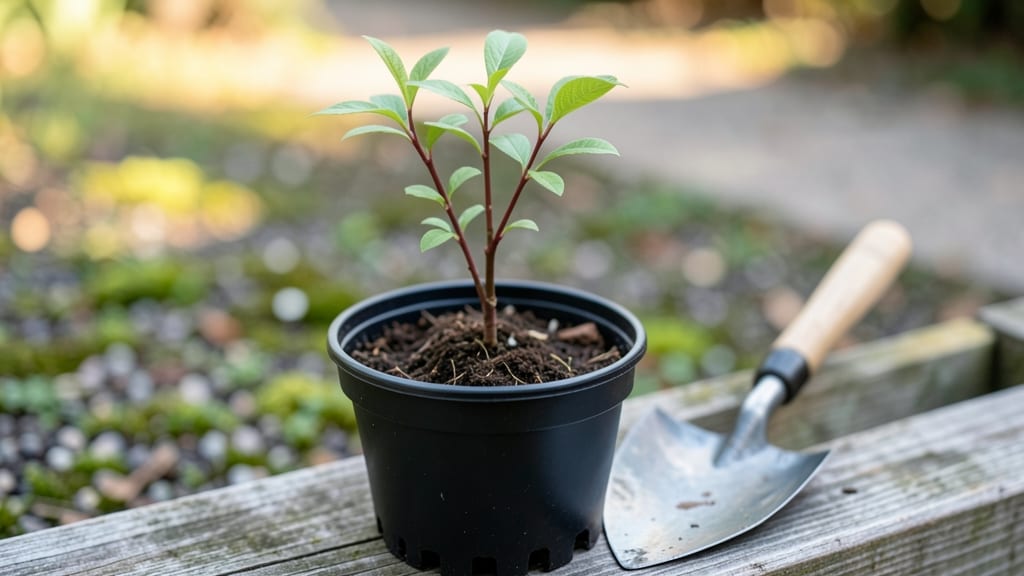
Growing crepe myrtle seedlings from seed takes patience—but this cold stratification trick cuts the wait time by half. 🌱 I learned the hard way that skipping this step means weeks of waiting for germination, if it happens at all.
The secret? Mimicking winter's chill to break seed dormancy, so you get sturdy seedlings ready for planting by spring.
You'll need a simple setup: damp paper towels, a sealed plastic bag, and your fridge's crisper drawer. Most gardeners overlook this step, but it's what turns flimsy seedlings into strong plants that bloom reliably for years.
The process takes just 10-14 days, and once those first green shoots appear, you'll know you're on the right track.
What you end up with is a head start on the season—seedlings that outpace nursery-bought plants and develop deeper root systems. By the time you transplant them, they'll be 3-4 inches tall and ready to handle summer heat without wilting.
The payoff? Vibrant blooms that last from early summer through fall, with minimal care once established.
Works for both garden beds and large containers, and the same method applies to other hard-to-germinate seeds like redbud or catalpa. Here's how to do it without the guesswork—no black thumb required.
📚 In This Guide
- What you need
- Instructions
- Tips and common mistakes
- Wrapping up and next steps
What you need
- ● Crepe myrtle seeds: Fresh or stored seeds (ensure they’re viable—test with a float test if unsure). Quantity: 5–10 seeds (for better success rates).
- ● Cold stratification supplies: Plastic storage bag (resealable, quart-sized or larger)
- ● Moistened paper towels or peat moss (keep damp but not soggy)
- ● Growing medium: Potting mix: Well-draining, sterile mix (e.g., 50% peat moss + 50% perlite or a seed-starting blend). Quantity: 1–2 small pots (4–6 inches wide).
- ○ Optional: Coco coir or vermiculite for extra aeration.
- ● Containers: Seed trays or small pots with drainage holes (2–3 inches deep). Quantity: 1 per seedling (or a tray with 12+ cells).
- ● Clear plastic dome or ziplock bag (to create a humidity tent).
- ● Tools: Spray bottle (for gentle watering)
- ● Small hand trowel (for transplanting)
- ○ Thermometer (optional, to monitor fridge temps: 34–40°F)
- ● Refrigerator space: A cool, dark spot (e.g., fridge crisper drawer) for 6–12 weeks of stratification.
- ● Grow lights or sunny windowsill: 6+ hours of light daily after stratification (south-facing window or LED grow lights).
- ● Patience: Germination can take 2–6 weeks—don’t rush it!
Step-by-step instructions for cold stratifying crepe myrtle seeds
This method guarantees strong seedlings that bloom reliably—no more hit-or-miss germination.
🌱 Step 1: Harvest and Prepare the Seeds
Collect mature crepe myrtle seed pods when they turn brown and papery, usually in late fall. Open them carefully to remove the flat, brown seeds inside. I like to soak them in lukewarm water for 24 hours first—this softens the tough outer coating and speeds up germination later. Drain them well and let them dry on a paper towel for 1-2 days until they feel slightly damp but not wet.
If you're working with store-bought seeds, skip the soaking step but still let them dry briefly. The key here is breaking dormancy without overhydrating—seeds left too damp will rot before they sprout. Store them in a cool, dry place until you're ready to stratify, which should be within 2 weeks.
❄️ Step 2: Stratify Seeds in the Refrigerator
Fill a small plastic bag with 2 cups of moistened peat moss or coconut coir (just damp, not soggy). Sprinkle the crepe myrtle seeds evenly over the mix, then seal the bag loosely—leave a tiny gap for airflow. Place the bag in a refrigerator set to 35-40°F and store it for 6-8 weeks.
Check the bag every 2 weeks to ensure the mix stays moist but not dripping. If the seeds feel dry, mist them lightly with water and reseal. Cold stratification mimics winter conditions, tricking seeds into thinking spring has arrived. You'll know it's working when tiny roots begin pushing through the mix—this usually happens after 4-6 weeks.
🌱 Step 3: Plant Stratified Seeds in Containers
Fill small 2-3 inch deep pots with a well-draining seed-starting mix. Press the soil down lightly to remove air pockets, then create shallow holes about ¼ inch deep—just enough to cover the seeds. Place 2-3 seeds per pot and cover them with a thin layer of soil, barely enough to hide them.
Water gently with a spray bottle until the soil feels evenly moist. Place the pots in a warm spot with indirect light (like a sunny windowsill with sheer curtains) and maintain a soil temperature of 70-75°F for best results. Germination should begin in 2-4 weeks, but don’t be surprised if it takes longer—patience is key here.
☀️ Step 4: Provide Light and Care for Seedlings
Once the first true leaves appear (not the initial seed leaves), move the seedlings to a location with bright, indirect light for 2-3 weeks to harden them off. Gradually introduce them to direct sunlight for 2-3 hours daily over the next week. You'll see strong, sturdy seedlings with deep green leaves—this means they're ready for transplanting.
Water the seedlings when the top ½ inch of soil feels dry, but avoid overwatering. Crepe myrtles are drought-tolerant once established, so it's better to underwater slightly than to drown them. Fertilize lightly with a balanced 10-10-10 mix every 4-6 weeks during the growing season to encourage healthy growth.
🪴 Step 5: Transplant Seedlings Outdoors
Wait until the soil is warm (at least 60°F) and all danger of frost has passed before transplanting. Choose a sunny location with well-draining soil and dig holes twice as wide as the root ball but no deeper. Gently remove the seedlings from their pots and place them in the holes, ensuring the top of the root ball sits ½ inch below the soil surface.
Backfill the holes with soil, tamp lightly to remove air pockets, and water deeply to settle the roots. Mulch around the base with 2-3 inches of organic mulch to retain moisture and regulate soil temperature. With proper care, your seedlings will establish strong roots and produce vibrant blooms in 2-3 years.
Tips & tricks for perfect crepe myrtle seedling stratification
Cold stratification can feel like a waiting game, but these little tricks will help you avoid the most common pitfalls and maximize your success rate.
Soaking Secret: That 24-hour lukewarm water soak in Step 1 is your first chance to break dormancy. Use water that's warm to the touch but not hot—think bathwater temperature. If your seeds are particularly tough (like those from older pods), you can extend this to 36 hours max, but don't go longer or they'll start to rot. After soaking, pat them dry thoroughly—any moisture left will create a damp environment that encourages mold during stratification.
Stratification Timing: The 6-8 weeks in the refrigerator at 35-40°F might seem long, but consistency is key. I place a small thermometer in my fridge to monitor temperature—some fridges fluctuate! If your fridge runs warmer (above 40°F), move the bag to the coldest part, like the bottom shelf. After those 4-6 weeks when roots appear, resist the urge to rush planting. Let them develop proper root structure before transplanting.
Container Choice: For Step 3, I recommend using small plastic nursery pots rather than paper cups—they're easier to water and transplant. If you're using coconut coir instead of peat moss, rinse it first to remove any excess salts. The 2-3 inch depth is perfect for preventing overcrowding while allowing room for root growth. Pro tip: Label your pots immediately with the date and seed type—you'll thank yourself later when seedlings start popping up!
Light Transition: The shift from indirect to direct sunlight in Step 4 is crucial. Start with just 30 minutes of direct sun on the first day, then add 30 minutes each subsequent day until you reach 2-3 hours. Watch for pale leaves—this is your cue to slow down the sun exposure. And remember, those 2-3 weeks of hardening off are non-negotiable. Seedlings that go straight from shade to full sun often get sunburned leaves and stunted growth.
Pro Tips for Crepe Myrtle Seedling
- Cold stratification can feel like a waiting game, but these little tricks will help you avoid the most common pitfalls and maximize your success rate.
- Soaking Secret: That 24-hour lukewarm water soak in Step 1 is your first chance to break dormancy.
- Stratification Timing: The 6-8 weeks in the refrigerator at 35-40°F might seem long, but consistency is key.
Frequently asked questions
Got questions about growing crepe myrtle seedlings from seed? You’re not alone! Here are answers to the most common queries to help you succeed—without the guesswork.
How long does cold stratification take for crepe myrtle seeds?
Cold stratification typically requires 60–90 days in the fridge (34–40°F) to break seed dormancy. Place seeds in a damp paper towel or moist sand, then check monthly for sprouting. Patience is key—rushing can reduce germination rates!
Can I skip cold stratification and still grow crepe myrtle seedlings?
While possible, germination rates drop significantly without stratification. If you’re impatient, try soaking seeds in warm water for 24 hours first, then plant in warm soil (70–80°F). Expect slower results, though!
Why aren’t my crepe myrtle seeds sprouting after stratification?
Check these fixes:
- Moisture: Keep soil/sand consistently damp (not soggy).
- Temperature: Warmth (70°F+) triggers germination. Use a heat mat if needed.
- Seed viability: Older seeds (over 1 year) may fail. Test freshness with a cut-open seed.
What’s the best time to plant crepe myrtle seedlings outdoors?
Wait until after the last frost and soil temps hit 60°F+ (usually spring). Seedlings thrive in full sun and well-draining soil. Harden them off for 1–2 weeks first by gradually exposing them to outdoor conditions.
Are there faster-growing alternatives to crepe myrtle seedlings?
Yes! For quicker blooms, consider:
- Grafted trees: Nursery-bought crepe myrtles bloom in 1–2 years vs. 3–5 for seedlings.
- Cutting propagation: Root semi-hardwood cuttings (summer) for identical plants faster.
- Hybrid varieties: Some (like ‘Natchez’) grow faster and resist pests better.
Wrapping up and next steps
Growing crepe myrtle seedlings with cold stratification is a rewarding way to ensure vibrant blooms and healthy plants! By mimicking winter conditions, you’ll break dormancy and boost germination rates—no guesswork needed. 🌱 Whether you’re a gardening newbie or a seasoned pro, this method makes success achievable.
Now that you’re armed with the right tips, take the next step: gather your supplies and try it yourself! Watch those seedlings thrive, and soon you’ll be enjoying stunning crepe myrtle blooms year after year. Happy gardening! 🌸