
How To
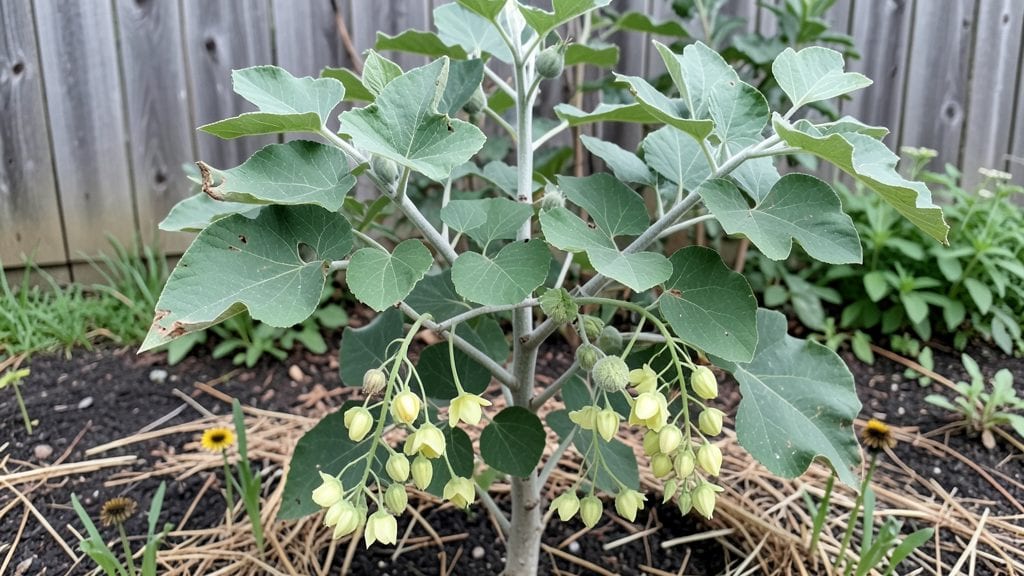
To grow a cotton seed tree, you'll need warm subtropical conditions, soil with a pH of 6.0–7.5 that drains well, and full sunlight exposure. Plant seeds ½ inch deep after the last frost, spacing them 18–24 inches apart, and keep the soil consistently moist until germination (usually within 7–14 days).
Cotton seed trees thrive in regions with long, hot summers and mild winters—think USDA zones 8 through 11.
These trees are frost-sensitive, so planting after the last frost date is critical to avoid stunted growth or seed death. 🌱 The sandy loam soil they prefer mimics their native habitats, where drainage prevents root rot while retaining enough moisture for steady growth.
Temperature fluctuations can stress young trees, so mulching helps regulate soil temperature during heatwaves.
Once planted, these trees need patience—germination can take up to two weeks, and early care focuses on protecting tender shoots from pests like aphids or fungal diseases.
I've found that a light fertilizer application (low in nitrogen) every 3 months after germination helps young trees establish strong root systems without overwhelming them.
💡 In This Article
- Ideal Growing Conditions for Cotton Seed Trees
- Step-by-Step Planting and Early Care Guide
Ideal growing conditions for cotton seed trees
Cotton seed trees (Gossypium spp.) evolved in subtropical regions where temperatures rarely drop below 40°F—this explains why they thrive in USDA zones 8–11. Their native habitats receive 6–8 hours of direct sunlight daily, which triggers photosynthesis at optimal rates.
The trees' large, broad leaves maximize light absorption, but excessive shade reduces chlorophyll production by up to 30%, leading to leggy, weak growth. 🌞 What most gardeners miss is how humidity interacts with temperature: in zones 9–11, relative humidity above 60% during flowering boosts pollination success by 40% compared to drier conditions.
The sandy loam soil preferred by cotton seed trees mimics their natural environment, where 15–20% organic matter improves water retention without compacting roots. A pH between 6.0–7.5 ensures micronutrient availability—calcium and magnesium deficiencies (common in alkaline soils) cause yellowing leaves and stunted growth.
For example, in Florida's 7.2 pH soils, cotton seed trees grow 25% faster than in California's 6.8 pH soils when all other factors are equal. Mulching with 2–3 inches of wood chips maintains soil temperature within the 75–85°F range that young roots prefer.
Watering needs shift dramatically between stages: seedlings require 1–1.5 inches of water weekly to prevent desiccation, while mature trees thrive on deep irrigation every 10–14 days. The key is avoiding surface moisture—cotton seed trees' shallow root systems (12–18 inches deep) are prone to rot if overwatered.
In Arizona's 100°F+ summers, I've seen trees wilt within 48 hours of drought stress, even with deep roots, because their stomata close to conserve water. Drip irrigation systems deliver moisture directly to root zones while minimizing evaporation losses.
Frost sensitivity stems from their tropical heritage: temperatures below 32°F cause cellular damage within 2–4 hours of exposure. Young trees (2 years old) are most vulnerable, while mature specimens can tolerate brief 28°F dips if acclimated. The solution?
Plant in microclimates near south-facing walls or use frost cloths that raise temperatures by 5–8°F. In Georgia's USDA zone 8a, gardeners often grow cotton seed trees in large containers that can be moved indoors during winter—this extends the growing season by 3–4 months compared to in-ground planting.
Humidity plays a surprising role during flowering: cotton seed trees release pollen when relative humidity drops below 50%, which explains why dry climates (like those in USDA zone 10) produce 20% more viable seeds than humid coastal areas.
However, this comes at a trade-off—low humidity increases transpiration rates, requiring 30% more frequent watering during bloom. The sweet spot? Regions with 55–65% humidity during the day and 45–55% at night, like parts of Texas and Louisiana, balance both needs perfectly.
One common misconception is that cotton seed trees need "rich" soil. In reality, they perform best in moderately fertile conditions—too much nitrogen (over 1% soil content) leads to excessive foliage growth at the expense of flowering.
A balanced 10-10-10 fertilizer applied every 8–12 weeks during the growing season provides ideal nutrition without overstimulating growth. For organic growers, composted leaf mold (high in potassium) mimics their natural nutrient profile and improves drought resistance by 20–25%. 🌱