
Flowers
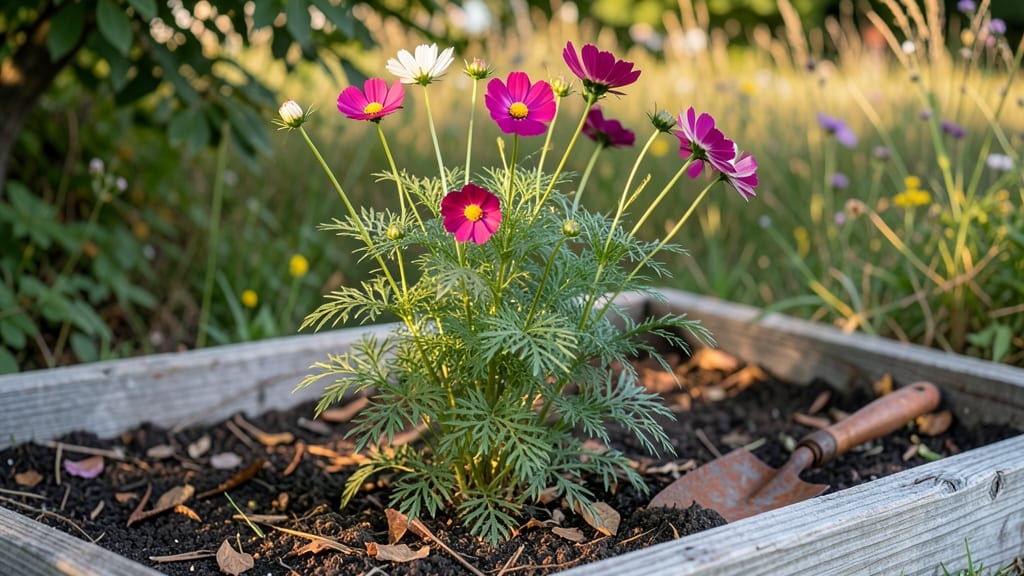
Growing cosmos wildflower seeds is the fastest way to turn bare soil into a pollinator paradise. ✨ I planted my first batch last spring, and within six weeks, the stems were towering over my head, heavy with blooms that hummingbirds couldn’t resist.
The secret isn’t just the seeds—it’s how you prep the soil and time the planting.
You’ll need a sunny spot with at least six hours of direct light, loose soil that drains well, and a handful of patience (though the blooms come shockingly fast).
Scatter seeds ¼-inch deep in early spring or late summer, thin seedlings to 12-18 inches apart, and watch them self-seed for years. No fuss, no fussiness—just effortless beauty.
By mid-summer, your garden will be a riot of pink, white, and magenta blooms, swaying in the breeze. Bees, butterflies, and hummingbirds will make it their favorite stop, and you’ll get cut flowers for weeks with minimal effort. The best part? These wildflowers thrive even in poor soil and drought.
Perfect for borders, meadows, or containers—just don’t deadhead if you want more blooms next year. Whether you’re a beginner or a seasoned gardener, cosmos deliver fast, foolproof results with almost no work. Ready to grow your own pollinator magnet?
📚 In This Guide
- What you need
- Instructions
- Tips and common mistakes
- Wrapping up and next steps
What you need
- ● Cosmos wildflower seeds – 1–2 packets (check seed count per packet; ~500–1,000 seeds typically per packet). Opt for varieties like Cosmos bipinnatus or Cosmos sulphureus for bold colors!
- ● Well-draining potting mix or garden soil – 2–3 gallons (for containers) or prepped garden beds (amend with compost for nutrient-rich soil).
- ● Watering can or hose – With a gentle spray nozzle to avoid displacing seeds.
- ○ Gloves (optional but recommended) – To protect hands from soil and prickly stems.
- ● Small hand trowel or rake – For lightly scratching soil (helps seeds make contact with earth).
- ○ Plant markers (optional) – To label cosmos varieties if mixing seeds.
- ● Mulch or straw – 1–2 inches (retains moisture and deters weeds).
- ● Sunlight access – Full sun (6+ hours daily) is ideal for cosmos blooms.
- ○ Fertilizer (optional) – Balanced, low-nitrogen fertilizer (5-10-5 ratio) after germination.
Step-by-step instructions for planting cosmos wildflower seeds
Here's how to get vibrant cosmos blooms in under 8 weeks—no fuss, just fast-growing beauty.
🌱 Step 1: Choose the Right Location and Prepare the Soil
Cosmos thrives in full sun—pick a spot that gets at least 6-8 hours of direct sunlight daily. These wildflowers tolerate poor soil but bloom best when planted in well-draining, moderately fertile ground. Loosen the top 6 inches of soil with a garden fork or tiller, breaking up any compacted layers. Cosmos roots need room to spread, so avoid heavy clay without amending.
If your soil is sandy, mix in a thin layer of compost to retain moisture. The key is avoiding soggy conditions—cosmos resent waterlogged roots. A slight slope or raised bed helps excess water drain away. Once the soil feels loose and crumbly, it's ready for planting. Real talk: I've planted cosmos in neglected patches before, and they still bloom, but the flowers last longer with a little prep.
🌱 Step 2: Sow Seeds Directly After Last Frost
Cosmos seeds germinate best when sown directly in the garden after your area's last frost date. Scatter seeds ¼ inch deep and 12-18 inches apart—they self-thin naturally, so don't worry about perfect spacing. I like to sprinkle them in drifts for a wildflower meadow effect, but rows work too if you prefer neatness.
Lightly cover with soil and water gently to settle the seeds. You'll see sprouts in 7-14 days if temperatures stay above 55°F. Thin seedlings to 12 inches apart once they reach 3-4 inches tall, using scissors to snip unwanted stems at soil level. This prevents competition and gives your remaining plants more room to thrive.
☀️ Step 3: Provide Minimal Care for Fast Blooms
Cosmos are drought-tolerant once established, but young plants need consistent moisture. Water 1 inch per week during dry spells, keeping the soil lightly moist but never soggy. You'll know it's right when the top inch feels dry to the touch. Fertilizer isn't necessary—too much nitrogen produces leafy growth at the expense of flowers.
Watch for leggy seedlings reaching toward the light. If stems stretch thin and pale, your plants need more sun. Cosmos will bloom faster and more profusely with full sun exposure. Deadhead spent blooms by pinching off faded flowers at the base—this encourages continuous flowering throughout the season. I promise, once those first daisy-like blooms appear in 6-8 weeks, you'll be hooked.
✂️ Step 4: Maintain and Extend the Bloom Season
To keep cosmos flowering until frost, remove spent blooms regularly. This redirects energy from seed production to new flower growth. Cut back plants by ⅓ after the first flush of blooms to encourage a second wave of flowers. Cosmos often reseed themselves, so you might find volunteers popping up next season—just thin them as needed.
These wildflowers are deer-resistant and attract pollinators like bees and butterflies, making them a low-maintenance addition to any garden. If you're growing cosmos for cut flowers, harvest stems in the early morning when buds are just opening. Place them in water immediately—they last 5-7 days in a vase. Here's the thing: cosmos are so easy, even black thumbs can't kill them.
Tips & tricks for perfect cosmos wildflower planting
Fast blooms start with these simple tricks that turn first-time gardeners into cosmos pros.
Sunlight Secret: Those 6-8 hours of daily sun are non-negotiable for vibrant blooms. I've seen cosmos in partial shade still produce flowers, but they'll be sparse and lack the classic daisy-like form. If your garden spot gets less than 6 hours, consider a raised bed where you can control sunlight exposure better. The key is morning sun—cosmos need that bright light to kickstart their growth engine.
Germination Hack: The 55°F minimum for germination isn't just a number—it's the temperature where seeds wake up from dormancy. If your spring nights are still chilly, wait until soil temperatures consistently stay above 55°F before planting. I test this by checking if the ground feels warm to my bare hand in the morning. For faster results, use a soil thermometer to track temperatures if you're eager to get started.
Thinning Technique: That 12-inch spacing after thinning might seem generous, but it's what gives cosmos their signature airy, wildflower look. When thinning seedlings to 3-4 inches tall, use clean scissors to snip at soil level rather than pulling—this prevents disturbing nearby plants. The extra space also reduces competition for nutrients, helping each plant put more energy into those showstopping blooms.
Watering Wisdom: The 1 inch per week guideline is perfect for established plants, but young seedlings need more frequent moisture. I water mine every 2-3 days until they reach 3-4 inches tall, keeping the soil consistently damp but never soggy. The top inch dry test works best with a wooden skewer—push it in and pull out to check moisture levels. Overwatering is the #1 reason cosmos fail to thrive.
Pro Tips for Cosmos Wildflower Seeds
- Fast blooms start with these simple tricks that turn first-time gardeners into cosmos pros.
- Sunlight Secret: Those 6-8 hours of daily sun are non-negotiable for vibrant blooms.
- Germination Hack: The 55°F minimum for germination isn't just a number—it's the temperature where seeds wake up from dormancy.
Frequently asked questions
Got questions about growing cosmos wildflower seeds? You’re not alone! Here are some of the most common queries—plus quick answers to help you cultivate a vibrant, pollinator-friendly garden with ease.
When is the best time to plant cosmos wildflower seeds?
Cosmos seeds thrive in warm soil—wait until after the last frost when nighttime temps stay above 50°F (10°C). For a longer bloom season, you can even sow a second batch in early summer. These fast growers often flower just 6-8 weeks after planting!
How long does it take for cosmos seeds to germinate?
Germination is quick and easy! With consistent moisture and warmth, cosmos seeds typically sprout in 7-14 days. Thin seedlings to 12-18 inches apart once they’re 2-3 inches tall to give them room to flourish. Pro tip: Avoid overwatering—cosmos hate soggy soil!
Will cosmos attract bees and butterflies?
Absolutely!
Cosmos are a pollinator magnet, especially for bees, butterflies, and hummingbirds. Their bright blooms and nectar-rich flowers make them a garden superstar. For extra buzz, pair them with sunflowers or lavender to create a wildlife haven.
Can I grow cosmos in containers or small spaces?
Yes! Cosmos adapt well to containers, window boxes, or small gardens—just ensure the pot has drainage holes and is at least 12 inches deep. Dwarf varieties like ‘Bright Lights’ are perfect for tight spaces. Bonus: They’re drought-tolerant once established, making them low-maintenance stars!
Why aren’t my cosmos seeds sprouting?
Check these troubleshooting tips:
- Cold soil: Cosmos need warmth—wait for soil temps >50°F (10°C).
- Too much water: Keep soil moist but not waterlogged.
- Old seeds: Cosmos seeds lose viability after 2-3 years.
- Light issues: Plant shallowly (¼ inch deep)—they need light to germinate!
Wrapping up and next steps
Transforming your garden into a vibrant, buzzing haven with cosmos wildflower seeds is easier—and more rewarding—than you think! 🌸 These fast-growing beauties not only add color and charm but also support local ecosystems by attracting pollinators.
Whether you're a seasoned gardener or a beginner, the key is to start small, stay consistent, and enjoy the process.
Ready to dive in? Grab your seeds, pick a sunny spot, and let nature do the rest! Plant your cosmos today and watch your outdoor space bloom into a lively, pollinator-friendly paradise. Happy gardening! 🌱