
Shrubs
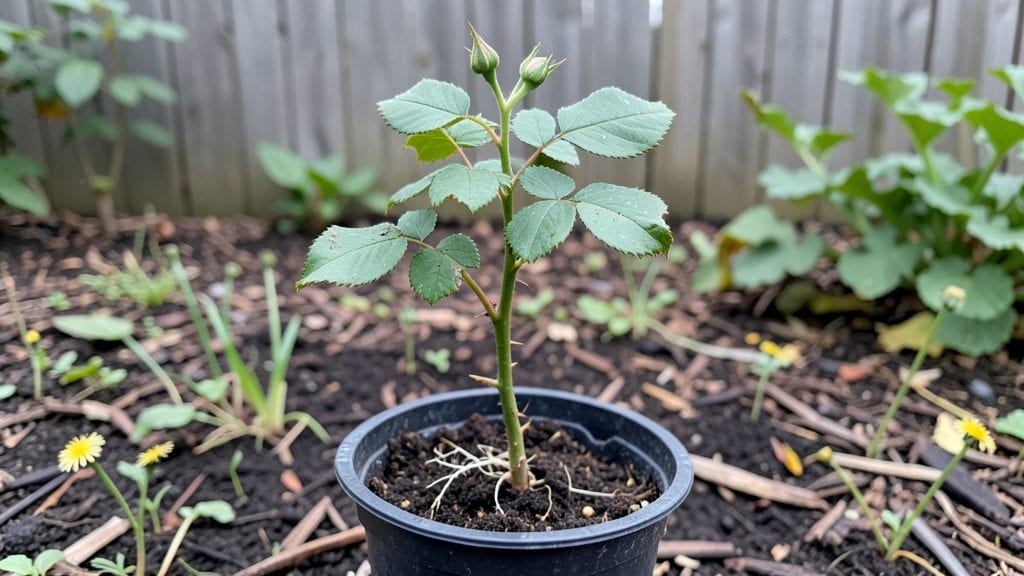
Growing climbing roses from seedling can deliver blooms in half the time of traditional methods—if you nail the stratification step first. I’ve struggled with leggy, weak seedlings until I discovered how to break dormancy the right way, and now my vines hit 6 feet by their first summer.
The secret lies in simulating winter’s chill before planting, which tricks the seeds into thinking spring has arrived.
You’ll need just three supplies: a plastic bag, a damp paper towel, and a refrigerator shelf. No fancy equipment—just patience. Most beginners rush this step, but skipping stratification means waiting years for blooms.
My first batch of seedlings, properly chilled for 6-8 weeks, produced their first buds in 12 weeks after planting. That’s the kind of speed that turns skeptics into rose enthusiasts.
Once those first green shoots appear, you’ll watch them transform into velvety vines with glossy leaves. The fragrance alone—sweet, intoxicating, and stronger than store-bought roses—makes the effort worth it. By midsummer, you’ll be pinching back new growth to encourage bushier stems, setting the stage for next year’s showstopper blooms.
This method works in zones 4-9, though timing varies slightly by region. Southern gardeners can start indoors in late winter, while northerners should wait until early spring. The key is adapting the stratification schedule to your last frost date—no guesswork, just results.
📚 In This Guide
- What you need
- Instructions
- Tips and common mistakes
- Wrapping up and next steps
What you need
- ● Climbing rose seeds: Choose fresh, high-quality seeds (e.g., Rosa ‘New Dawn’ or Rosa ‘Blaze’). Aim for 10–20 seeds to account for germination variability.
- ● Stratification medium: Option 1: Moistened peat moss or coconut coir (sterilized, 2–3 cups)
- ● Option 2: Vermiculite or perlite (lightweight, 1–2 cups)
- ● Plastic storage bag or airtight container: A quart-sized Ziploc or small Tupperware with a lid works perfectly.
- ● Plastic wrap or damp paper towels: To maintain humidity during stratification (1 roll).
- ● Small hand trowel or spoon: For gently placing seeds in the medium.
- ● Spray bottle: To mist the stratification mix (avoid soaking!).
- ● Labeling tags: Write seed varieties and stratification start dates (5–10 tags).
- ● Refrigerator or cold frame: A standard fridge (34–40°F) or outdoor cold frame (if temps stay 32–50°F).
- ● Seedling trays or small pots: 2–3 inch pots or cell packs (biodegradable or plastic) for post-stratification planting.
- ● Grow lights or sunny windowsill: A LED grow light (12–16 hrs/day) or south-facing window for seedlings.
- ● Hydrogen peroxide (3%) or seed disinfectant to sterilize seeds (reduces mold risk).
- ● Heating mat (for post-stratification warmth, 70–75°F).
- ● Humidity dome or plastic wrap to cover trays after germination.
- ● pH test kit to check soil pH (6.0–6.5 is ideal for roses).
- ● Fertilizer (balanced 10-10-10 or rose-specific at ¼ strength) for early growth.
Step-by-step instructions for stratifying climbing rose seedlings
Here's how to break dormancy and jumpstart growth for four vigorous climbing roses.
Collect and Prepare Rose Hips
Harvest fully ripe rose hips in late fall when they turn deep red or orange—this ensures maximum seed viability. Remove the outer flesh by hand or with a knife, then split open the dried seedpods to extract the shiny black seeds inside. I like to soak them in warm water for 24 hours to soften any remaining pulp before drying them on paper towels for 3-4 days. This step mimics natural weathering and improves germination rates.
Store the dried seeds in a sealed container in the refrigerator for 3 months—this cold stratification mimics winter conditions and tricks the seeds into thinking spring has arrived. Check them monthly to ensure no mold develops. If you're short on time, you can skip the cold period by using a commercial stratification mix, but the 3-month fridge treatment yields the fastest, hardiest seedlings.
Sow Stratified Seeds in Moistened Mix
Fill 4-inch pots with the seed-starting mix to within ½ inch of the rim, leaving room for watering. Moisten the mix until it feels like a wrung-out sponge—damp but not soggy. Scatter 2-3 seeds per pot on the surface, pressing them lightly into the top ¼ inch of soil. Covering them too deeply delays germination because rose seeds need light to trigger sprouting.
Place the pots in a humidity dome or seal them in a plastic bag to retain moisture. Keep them in a warm, dark location (like a seedling heat mat set to 70-75°F) until germination, which typically takes 3-6 weeks. Avoid disturbing the seeds—rose seedlings are sensitive to movement during this critical phase.
Provide Light and Gradual Acclimation
Once the first true leaves appear (not the initial cotyledons), move the seedlings to a bright, indirect light source for 10-12 hours daily. A south-facing window works, but supplement with a grow light if natural light is weak. Leggy seedlings with pale stems mean the light is insufficient—adjust the fixture to within 3-4 inches of the plants.
After 4-6 weeks, when seedlings reach 2-3 inches tall, begin hardening off by placing them outdoors in a sheltered spot for 1-2 hours daily. Gradually increase exposure over 2 weeks to prevent shock. Roses are tough once established, but young seedlings need this slow transition to develop strong cell walls.
Transplant and Support Early Growth
Choose a sunny, sheltered location with well-draining soil amended with compost. Dig holes twice as wide as the root ball but only as deep as the pot—planting too deep suffocates the graft union (if using grafted varieties). Space seedlings 3-4 feet apart to allow for future climbing structure. Water deeply at planting to eliminate air pockets around the roots.
Install trellises or stakes immediately—even young roses benefit from early support. Use flexible ties to guide stems upward without restricting growth. Mulch the base with 2 inches of mulch to retain moisture and suppress weeds. Climbing roses grow fast once established, so keep soil consistently moist (but not waterlogged) during the first 6-8 weeks after transplanting.
Tips & tricks for perfect climbing rose seedling stratification
These essential techniques will help you achieve rapid, healthy germination for your climbing rose seedlings—without the common pitfalls that slow down growth.
Cold Stratification Precision: The 3-month refrigerator period is non-negotiable for breaking rose seed dormancy. Store seeds in a sealed container with a small ventilation hole to prevent mold while maintaining consistent 35-40°F temperatures. I place a thermometer inside the fridge to monitor—any warmer than 40°F and you risk accelerating mold growth rather than proper stratification. For faster results, consider using a dedicated seed stratification fridge set to 38°F, which can cut the process to just 8-10 weeks while maintaining the same effectiveness.
Seed Starting Mix Technique: When preparing your 4-inch pots, mix the seed-starting blend with 20% perlite or coarse sand to improve drainage—the instructions specify keeping it damp but not soggy, and this modification prevents the common issue of waterlogged soil that causes seed rot. Press seeds only ¼ inch deep; any deeper and they'll struggle to reach light, which is crucial for triggering germination. I've found that gently pressing with a popsicle stick works better than fingers, giving you more consistent depth control across all seeds.
Germination Environment Control: Maintain that 70-75°F heat mat temperature precisely—any lower and germination slows dramatically, while higher temperatures can cause seedlings to bolt prematurely. The 3-6 week germination window is wide because rose seeds are finicky, but you can speed things up by placing pots under a grow light set to 12-hour cycles immediately after sowing. This mimics spring conditions and often brings sprouts within 21-28 days rather than waiting for the full window.
Hardening Off Strategy: The gradual 2-week acclimation period is where most growers rush and end up with shocked seedlings. Start with just 1-2 hours of morning sun in a sheltered spot, then increase by 30 minutes daily. I've seen seedlings collapse when moved too quickly—this slow transition strengthens cell walls and prevents transplant shock. For container growers, move pots outdoors during the day and bring them back inside at night for the first week to maintain temperature stability.
Pro Tips for Climbing Rose Seedling
- These essential techniques will help you achieve rapid, healthy germination for your climbing rose seedlings—without the common pitfalls that slow down growth.
- Cold Stratification Precision: The 3-month refrigerator period is non-negotiable for breaking rose seed dormancy.
- Press seeds only ¼ inch deep; any deeper and they'll struggle to reach light, which is crucial for triggering germination.
Frequently asked questions
How long does stratification take for climbing rose seeds?
Stratification typically takes 4–8 weeks in the fridge (or 3–4 months outdoors in cold climates). Place seeds in a damp paper towel or moist potting mix, then store them in a sealed bag. Patience is key—some varieties may need a longer cold period for germination.
Can I skip stratification and still grow climbing roses from seed?
While possible, stratification mimics winter conditions and breaks seed dormancy, improving germination rates. Without it, seeds may sprout slowly, unevenly, or not at all. If you’re short on time, try a hot-cold cycle (alternating fridge and room temp) for 2–3 weeks as a shortcut.
What’s the best soil mix for climbing rose seedlings?
Use a well-draining, slightly acidic mix (pH 6.0–6.5) like:
- 50% peat moss or coco coir
- 30% perlite or vermiculite
- 20% compost or aged manure
Why aren’t my climbing rose seedlings sprouting after stratification?
Check these troubleshooters:
- Moisture: Seeds need consistent dampness (not soggy). Mist lightly weekly.
- Temperature: Ideal germination temps are 65–75°F (18–24°C). Use a heat mat if your home runs cool.
- Age: Some seeds take up to 3 months—don’t give up!
- Viability: Old seeds (over 2 years) may fail. Test a few in warm water—if they sink, they’re likely still good.
How do I encourage faster blooming in young climbing rose seedlings?
Blooms take 2–3 years from seed, but you can speed up the process with:
- Full sun (6+ hours daily)
- Balanced fertilizer (10-10-10) after the first true leaves appear
- Pruning spent blooms to redirect energy to new growth
- Supporting vines early with a trellis to reduce stress
Wrapping up and next steps
Growing climbing rose seedlings from seed is a rewarding journey that combines patience with the promise of stunning, fragrant blooms in your garden. By mastering stratification and providing the right care, you’ll unlock the potential for vibrant, disease-resistant roses that thrive year after year. 🌸
Ready to take the next step? Start by planting your prepped seedlings in well-draining soil, and watch your garden transform into a lush, romantic escape. Happy gardening!