Flowers
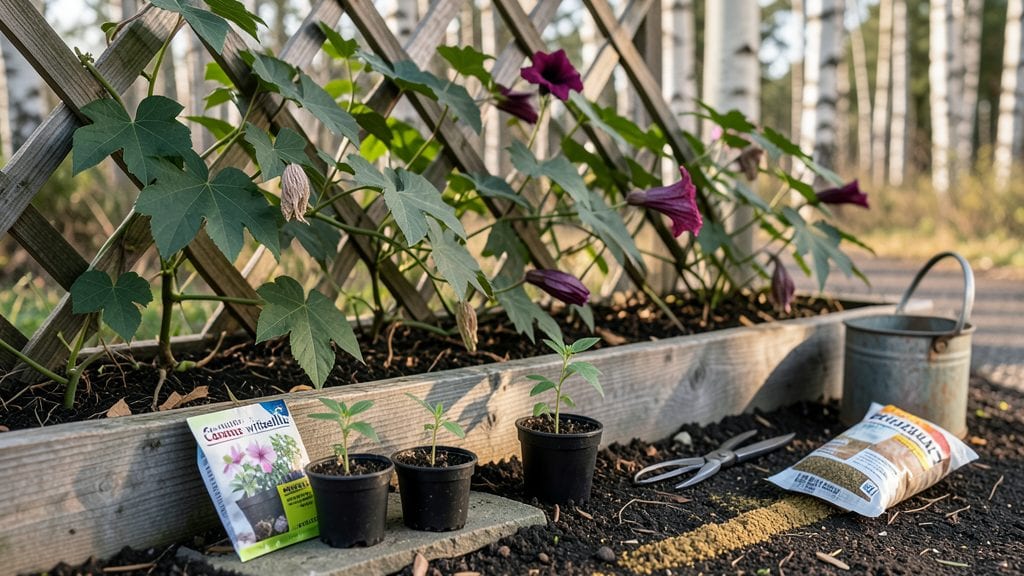
Growing climbing flower seeds transforms bare walls into lush vertical gardens that steal the show every summer. 🌿 I’ve turned my fence into a fragrant tunnel of sweet peas and morning glories—no fancy trellises required—just a few simple steps that anyone can master, even with a brown thumb.
The magic starts with the right seeds and soil. You’ll need lightweight potting mix (no heavy garden dirt), a sturdy support like twine or a wire mesh, and a sunny spot that gets at least 6 hours of light daily.
Morning glories climb fast and bloom in just 8 weeks, while clematis takes patience but rewards you with years of dramatic blooms.
By summer, you’ll have vines reaching for the sky, their blooms spilling over like confetti. The fragrance alone—sweet peas smell like cotton candy, morning glories like warm honey—makes the effort worth it.
Plus, you’ll save money compared to buying mature plants, and the vertical space frees up garden real estate for veggies.
Works for balconies, fences, or even hanging baskets. Here’s how to turn your blank walls into a living masterpiece—no green thumb required.
📚 In This Guide
- What you need
- Instructions
- Tips and common mistakes
- Wrapping up and next steps
What you need
- ● Climbing flower seeds (e.g., morning glories, clematis, or sweet peas—choose 1-2 varieties for simplicity).
- ● Seed-starting mix or well-draining potting soil (1-2 bags, sterilized to prevent disease).
- ● Containers: For direct sowing: 6-inch pots or seed trays (5-10 units).
- ● For vertical support: Trellis, fence, or climbing structure (height: 6+ feet).
- ● Watering can or spray bottle (with a fine rose nozzle for gentle watering).
- ● Fertilizer (balanced, 5-10-5 NPK ratio or organic options like compost tea).
- ● Gloves & pruning shears (for handling seeds and trimming later).
- ● Grow lights (if starting indoors in low-light areas).
- ● Mulch (to retain moisture and suppress weeds).
- ● Plant markers (to track seed varieties).
- ● Organic pest control (neem oil or insecticidal soap).
Step-by-step instructions for growing climbing flower seeds vertically
Turn walls and trellises into living canvases with these easy steps for vertical blooms.
🌱 Step 1: Choose the Right Trellis and Prepare Your Seeds
Start with a sturdy trellis—wooden lattice or metal mesh works best for most climbing flowers. I like to use a 4-foot-tall trellis for my balcony, but adjust height based on your space. Before planting, soak your seeds in lukewarm water for 12 hours to soften the outer coating and speed up germination. This is especially helpful for seeds like morning glories or sweet peas, which can take longer to sprout.
Once soaked, lay the seeds on a paper towel to dry slightly—just until they’re no longer slippery to the touch. This prevents them from sticking together when you plant. I always label my seed packets with the variety and planting date, because once they’re in the ground, they all look the same until they bloom!
🪴 Step 2: Plant Seeds in Containers With Proper Support
Fill 4-inch deep containers with well-draining potting mix (never garden soil—it compacts too much and can rot seeds). Press the mix down lightly to remove air pockets, then create small holes about ½ inch deep—just enough to nestle the seeds without burying them too deeply. Most climbing flower seeds need light to germinate, so planting too deep slows them down.
Place your trellis or support structure right next to the container so the seedlings can climb immediately. Water gently after planting, just enough to moisten the soil without disturbing the seeds. I like to use a spray bottle for this step—it gives me better control and keeps the seeds from washing away. Keep the containers in a warm, bright spot (around 70-75°F) until you see sprouts in 7-14 days.
☀️ Step 3: Provide Light, Water, and Gentle Training
Once seedlings emerge, move them to a location with at least 6 hours of sunlight daily. Climbing flowers like morning glories and honeysuckle need plenty of light to grow strong vines. If you’re growing indoors near a window, rotate the containers every few days so the plants don’t lean toward the light. You’ll notice the stems thickening and leaves darkening—this means they’re getting the energy they need to climb.
Water when the top inch of soil feels dry, but avoid soaking the leaves to prevent fungal issues. As the vines grow, gently guide them along the trellis with soft ties or twine—never pull them too tight, or you’ll snap the delicate stems. I like to tie them loosely every 3-4 inches to encourage even growth. Within 6-8 weeks, you’ll see blooms starting to form along the vines!
⏰ Step 4: Maintain and Enjoy Your Vertical Garden
Deadhead spent blooms regularly to encourage more flowers, and fertilize lightly every 4-6 weeks with a balanced, water-soluble fertilizer. Climbing flowers are heavy feeders, but too much fertilizer can lead to leafy growth instead of blooms. Watch for pests like aphids—if you spot them, spray the vines with neem oil or a mild soap solution to keep them in check.
With proper care, your vertical garden will keep producing blooms all season long. I love sitting back and watching the flowers climb higher each day—it’s like watching a living tapestry grow right before your eyes. And the best part? You’ll have beautiful, fragrant blooms without taking up any extra ground space!
Tips & tricks for growing climbing flower seeds vertically
These simple strategies will help your climbing flowers thrive and transform your space into a lush vertical garden with minimal effort.
Soaking Secret: The 12-hour soak in lukewarm water is your secret weapon for faster germination. I've found that using a small bowl or even a ziplock bag with a damp paper towel works perfectly for this step. This method keeps the seeds consistently moist while preventing them from sticking together. For seeds with particularly tough coatings (like morning glories), you might notice tiny cracks forming after soaking—this is a good sign they're ready to sprout!
Container Depth Matters: Never underestimate the importance of those 4-inch deep containers! Shallow containers can restrict root growth, while deeper ones provide the space your climbing flowers need to establish strong foundations. If you're using repurposed containers, make sure they have drainage holes—waterlogged roots are the enemy of healthy vines. I like to add a layer of small pebbles at the bottom for extra drainage.
Light and Temperature Teamwork: Keeping your containers in that warm, bright spot at 70-75°F is crucial during the germination phase. If your home tends to be cooler, consider using a seedling heat mat ($10-15 at garden centers) to maintain consistent warmth. The combination of proper light and temperature creates the perfect environment for those little sprouts to emerge in that 7-14 day window. Watch for the first tiny leaves—this is your signal to move to the next phase!
Gentle Training Technique: When guiding your vines along the trellis, think "loose and loving" rather than tight and restrictive. I use soft floral twine or even old fabric strips that won't damage delicate stems. The key is to tie loosely every 3-4 inches—this gives your plants room to grow while still providing support. You'll notice the vines naturally curl around the trellis as they search for stability, making your job easier over time.
Pro Tips for Climbing Flower Seeds
- These simple strategies will help your climbing flowers thrive and transform your space into a lush vertical garden w...
- Soaking Secret: The 12-hour soak in lukewarm water is your secret weapon for faster germination. I've found that usin...
- Container Depth Matters: Never underestimate the importance of those 4-inch deep containers! Shallow containers can r...
Frequently asked questions
Got questions about growing climbing flower seeds? You’re not alone! Here are some of the most common queries—plus quick, no-fuss answers to get your vertical garden thriving.
When is the best time to plant climbing flower seeds?
Most climbing flowers (like morning glories, clematis, or sweet peas) thrive when planted after the last frost in spring. For warm-weather varieties, wait until soil temps hit 60°F+ (15°C+). If you’re in a mild climate, you can even start seeds indoors 6-8 weeks before the last frost for an earlier bloom. Pro tip: Check your seed packet for variety-specific timing!
How often should I water climbing flower seeds?
Keep soil consistently moist but not soggy—especially during germination (first 2-3 weeks). Water gently from below (like a tray method) to avoid washing away seeds. Once seedlings sprout, water when the top inch of soil feels dry. Mulch lightly to retain moisture. Overwatering is a common killer—let excess water drain away!
Can I grow climbing flowers in containers?
Use large pots (10+ gallons) with drainage holes and a lightweight potting mix. Choose compact varieties like thunbergia (black-eyed Susan vine) or jasmine for containers. Add a trellis or cage early—roots will follow it as they grow. Just ensure your container gets 6+ hours of sunlight daily.
Why aren’t my climbing flower seeds sprouting?
Seeds need three things: moisture, warmth, and darkness. If they’re not sprouting after 2-3 weeks, check:
- Moisture: Soil should feel like a damp sponge.
- Temperature: Ideal range is 65–75°F (18–24°C).
- Depth: Most seeds need ¼ inch of soil (check packet).
What’s the fastest-growing climbing flower from seed?
For speed, try morning glories—they sprout in 5–10 days and climb aggressively! Other quick growers:
- Sweet peas (3–4 weeks to first blooms)
- Black-eyed Susan vine (Thunbergia) (4–6 weeks)
- Nasturtiums (edible + fast, 2–3 weeks)
Wrapping up and next steps
Growing climbing flower seeds is a rewarding way to transform any space into a lush, vertical garden oasis—no green thumb required! 🌱 With the right materials, patience, and care, you’ll soon be enjoying fragrant blooms and natural shade.
Whether you’re a beginner or seasoned gardener, these vibrant climbers will add charm and life to your home or patio.
Ready to take the next step? Start small—pick a sunny spot, grab those seeds, and let nature do the rest. Happy planting! 🌸