
Advice
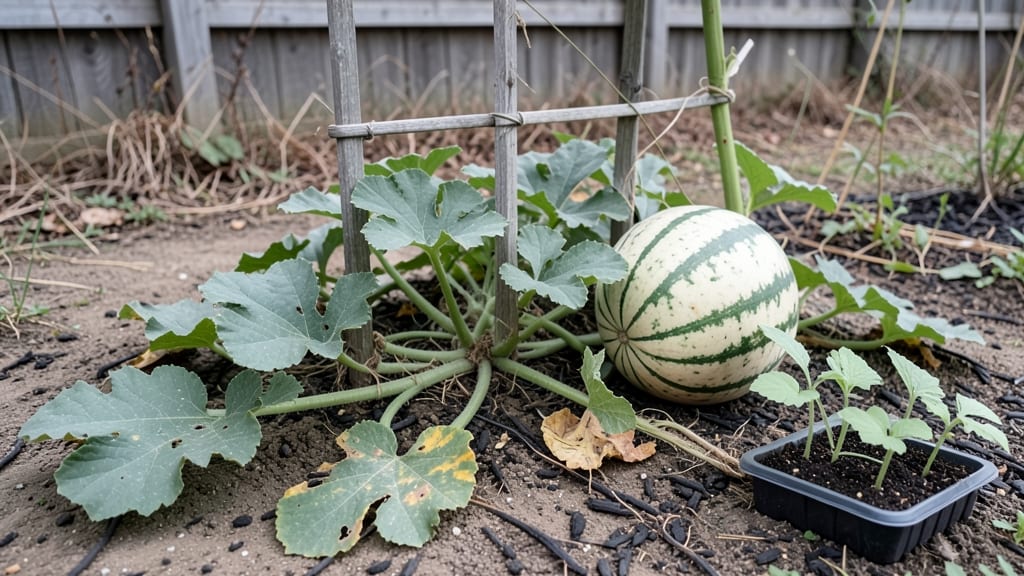
You can grow watermelons from seeds inside the fruit, but only with heirloom or seed-saving varieties. Most store-bought seeds are F1 hybrids that won't reproduce true-to-type plants. For best results, start seeds indoors 2-3 weeks before last frost, then transplant after soil reaches 70°F+, aiming for 70-90% success rates in ideal growing conditions.
This works because heirloom varieties maintain stable genetics across generations, while hybrid seeds produce inconsistent offspring. 🌱 I've found that saving seeds from organic or farmers' market watermelons gives the best chance of germination—just ensure they're fully ripe before extraction.
The key is patience: seedlings need consistent warmth and moisture to establish strong roots before facing outdoor conditions.
For those using store-bought seeds, try this trick: soak them overnight in warm water to break dormancy, then plant them ½ inch deep in well-draining soil. A black plastic mulch can raise soil temperatures by 10°F or more, speeding up germination.
Remember, watermelons are heavy feeders—amend your soil with compost before planting for those sweet, juicy results!
💡 In This Article
- Watermelon Seed Viability and Germination Factors
- Step-by-Step Guide to Growing Watermelons from Store-Bought Seeds
Watermelon seed viability and germination factors
Watermelon seeds from store-bought fruit often fail to grow because most commercial varieties are F1 hybrids—crossbred plants designed for uniform fruit shape, size, and disease resistance. These seeds produce offspring that won't match the parent plant's traits, resulting in smaller, less flavorful melons.
The genetic instability comes from combining two distinct parent lines, creating a first-generation (F1) that lacks the stable genetics needed for reliable seed production. 🔥
Heirloom varieties, however, maintain consistent traits across generations because they've been selectively bred for stability. Look for seed packets labeled "open-pollinated" or "heirloom"—these indicate true-to-type reproduction. For example, varieties like 'Moon and Stars' or 'Sugar Baby' are popular choices for seed-saving.
Even then, germination rates drop by 10-20% per year as seeds age, so fresh seeds (under 2 years old) yield the best results.
The science of germination hinges on three critical factors: temperature, moisture, and oxygen. Watermelon seeds need soil temperatures between 70-90°F to activate enzymes that break down stored nutrients. Below 60°F, germination stalls entirely.
Moisture triggers seed swelling, but excess water (>20% soil saturation) can suffocate roots. A 50/50 peat-perlite mix provides ideal aeration while retaining enough moisture for consistent sprouting.
Testing seed viability before planting saves time and resources. The float test works best: place seeds in a bowl of water. Viable seeds sink within 10-15 minutes (they're denser), while hollow or old seeds float.
For a more precise method, conduct a paper towel germination test—moisten paper towels, place seeds between two layers, and keep them in a 75°F environment. Count sprouts after 5-7 days—anything below 70% germination suggests low viability.
Light plays an indirect role in germination. Seeds need darkness to sprout, but seedlings require 12-14 hours of sunlight daily once they emerge. This is why starting indoors under grow lights (or in a sunny window) gives seedlings a head start.
The transition to outdoor light should be gradual to avoid sunburn on tender leaves. In my experience, seedlings grown under LED grow lights (5000K color temperature) develop stronger stems and true leaves 3-5 days faster than those in low-light conditions.
What most gardeners overlook is the seed coat's natural dormancy. Watermelon seeds often require scarification (lightly sanding the outer shell) or a warm water soak (80°F for 24 hours) to break dormancy. This mimics natural weathering that would occur in the wild.
After scarification, germination rates can improve by up to 30%. For best results, combine scarification with a fungicide treatment (like hydrogen peroxide solution) to prevent mold in damp soil conditions.