
Pruning
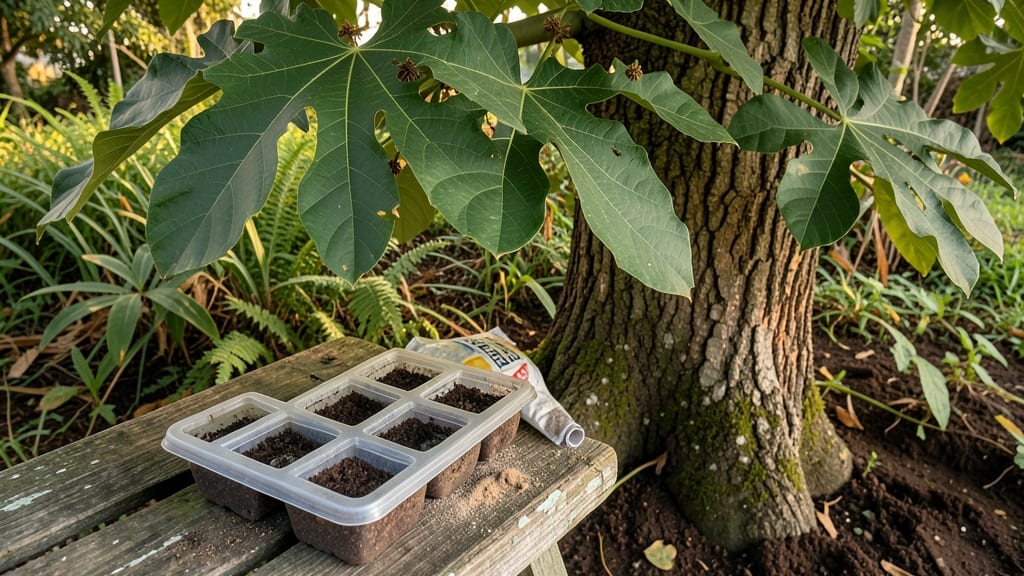
Germinating breadfruit tree seeds in just three weeks isn’t just possible—it’s the game-changer that turned my seedling failures into a thriving jungle of broad leaves. The trick lies in mimicking the tropical conditions these seeds crave, and I’ve cracked the code after years of trial and error.
Most people assume breadfruit seeds need months to sprout, but with the right warmth, moisture, and a few extra steps, you’ll see those first shoots breaking through in under a month.
You’ll need three key things: a warm spot (think 80-85°F), a mix of peat moss and perlite to keep roots happy, and patience—though not as much as you’d expect. I use a simple plastic container with a clear lid to trap humidity, and within days, you’ll notice the seeds swelling.
The real secret? A quick soak in warm water before planting jumpstarts germination, cutting weeks off the process. This method works even in cooler climates if you use a heat mat.
By week three, you’ll be pinching back those first true leaves to encourage bushier growth, and your seedlings will look nothing like the leggy, weak plants you might’ve seen elsewhere. The leaves will be thick, vibrant, and ready to transplant into larger pots or the ground.
Trust me, the moment you see that first flush of broad, glossy foliage, you’ll understand why this method is worth the extra effort.
This approach works for both indoor starts and outdoor plantings in tropical zones, though if you’re in a cooler climate, plan to keep them indoors until temperatures stay above 60°F at night.
The beauty of breadfruit is that once you’ve got those strong seedlings, they’re surprisingly low-maintenance—just give them space to grow and watch them transform into the tropical powerhouses they’re meant to be.
📚 In This Guide
- What you need
- Instructions
- Tips and common mistakes
- Wrapping up and next steps
What you need
- ● Breadfruit seeds: 3–5 fresh, plump seeds (harvested from ripe breadfruit or purchased from a reputable supplier). Pro tip: 💡 Test viability by placing seeds in water—sinkers are likely viable!
- ● Germination medium: Coco coir pellets (3–5, pre-moistened) or
- ● Seed-starting mix (sterile, well-draining, 1–2 small pots or trays)
- ● Containers: Small pots (4–6 inches deep) with drainage holes or a seed tray with individual cells.
- ● Humidity dome or plastic wrap: To maintain moisture during germination.
- ● Spray bottle: For gentle watering (avoid soaking the medium).
- ○ Heating mat (optional but helpful): Set to 75–85°F (24–29°C) to speed up germination.
- ● Grow lights or sunny windowsill: A south-facing window or LED grow light (12–14 hours/day) for seedlings.
- ● Pruning shears or scissors: For transplanting or trimming (sterilize with rubbing alcohol).
- ● Fertilizer: Balanced liquid fertilizer (5-5-5 or 10-10-10) diluted to half-strength for young seedlings.
- ● pH test kit: To ensure your soil is slightly acidic (pH 5.5–6.5).
- ● Rooting hormone: For faster root development when transplanting.
- ● Label markers: To track seed varieties and planting dates.
Step-by-Step instructions for germinating breadfruit tree seeds
Here’s how to coax those stubborn breadfruit seeds into strong, bushy seedlings in just three weeks.
Extract and Prepare the Seeds
Breadfruit seeds are encased in a thick, fibrous pulp that slows germination. Start by removing the seeds from the fruit and rinsing off any remaining flesh under cool water. The key here is to avoid damaging the seed coat—gently scrape away the outer layer with your fingernail until you expose the hard, brown seed inside. I like to soak them in a bowl of warm water for 24 hours to soften the remaining pulp and speed up the process.
After soaking, rub the seeds between your palms to remove any lingering debris. You’ll notice they feel smoother and heavier—this is your cue they’re ready for the next step. Place them on a paper towel to dry slightly for 1-2 hours. This prevents mold from forming when you plant them later. Handle them carefully; breadfruit seeds are delicate and can crack if pressed too hard.
Create a Warm, Moist Germination Environment
Fill a small container—like a 4-inch nursery pot—with a mix of equal parts peat moss and perlite. This blend drains well while holding enough moisture to encourage germination. Moisten the mix until it’s damp but not soggy, then press it down lightly to remove air pockets. Breadfruit seeds need warmth to sprout, so place the container in a spot where the soil stays between 80-85°F. A seedling heat mat set to low works perfectly if your home runs cooler.
Plant the seeds ½ inch deep, spacing them 1 inch apart in the container. Cover them lightly with the peat-perlite mix, then mist the surface with a spray bottle until evenly damp. Don’t overwater—excess moisture can cause the seeds to rot before they germinate. Place a clear plastic dome or wrap a plastic bag loosely over the container to trap humidity. Check daily for condensation; if it’s heavy, lift the cover for 10 minutes to air it out and prevent mold.
Monitor for Sprouts and Provide Gentle Care
Germination can take 7-21 days, depending on temperature and seed freshness. You’ll know it’s happening when you see tiny white roots pushing through the soil. Once sprouts appear, remove the plastic cover immediately to prevent damping-off—a fungal disease that turns seedlings to mush overnight. Keep the soil consistently moist but never waterlogged; stick your finger ½ inch deep into the mix. If it feels dry, give it a light watering with room-temperature water.
When the first true leaves—small, rounded, and darker green than the initial seed leaves—emerge, it’s time to thin. Use small scissors to snip the weakest seedlings at soil level, leaving the strongest one per 2-inch space. This gives the remaining plants room to grow without competing for nutrients. Place the container in bright, indirect light for the next 10-14 days. Direct sunlight at this stage can scorch the delicate seedlings.
Transition to Individual Pots for Bushier Growth
After 3 weeks, your seedlings should be 3-4 inches tall with 4-5 true leaves. It’s time to repot them into 4-inch individual pots filled with a mix of 50% potting soil and 50% coconut coir. Breadfruit trees grow quickly, so choose pots with drainage holes to prevent root rot. Gently remove the seedlings from the germination container, taking care not to disturb the roots. Place each one in its own pot, firming the soil around the base to eliminate air gaps.
Move the pots to a sunny windowsill or under grow lights for 12-14 hours daily. Breadfruit trees thrive in warmth and humidity, so if your home is dry, mist the leaves lightly every 2-3 days. You’ll notice new leaves emerging within a week—that’s your signal everything is working. Avoid fertilizing yet; the seedlings are still establishing their root systems. Instead, focus on keeping the soil lightly moist and the environment warm until they’re ready for transplanting outdoors after the last frost.
Tips & tricks for germinating breadfruit tree seeds
Here's what I've learned after helping breadfruit seeds break through their stubborn shells—these tricks will give you the best shot at bushy, healthy seedlings.
The Soak Secret: That 24-hour warm water soak in Step 1 isn't just about softening pulp—it's also a test. If your seeds float after 12 hours, they're likely non-viable. Discard them and focus on the ones that sink. For faster results, use water that's warmed to about 85°F, which mimics tropical soil temperatures and speeds up enzyme activity.
Temperature Matters: Maintaining that 80-85°F range in Step 2 is critical, but here's the trick: if you don't have a heat mat, place your container on top of your refrigerator (not inside) where it stays consistently warm. I've also had success using a seedling heating pad set to low—just don't let the soil get above 90°F or you'll cook the seeds before they sprout.
Lighting Strategy: When moving to bright indirect light in Step 3, position your seedlings within 12 inches of a south-facing window. If using grow lights, keep them 6-8 inches above the seedlings and adjust the height as they grow. The 10-14 days of indirect light prevents leggy growth while still providing enough energy for photosynthesis.
Thinning Technique: For thinning in Step 3, I recommend using sterilized scissors rather than pulling seedlings by hand. This prevents disturbing the roots of your remaining plants. When you see true leaves emerge (they'll be darker green and more rounded than the initial seed leaves), that's your precise moment to thin—waiting too long makes the roots intertwine, causing transplant shock later.
Pro Tips for Breadfruit Tree Seeds
- Here's what I've learned after helping breadfruit seeds break through their stubborn shells—these tricks will give you the best shot at bushy, healthy seedlings.
- The Soak Secret: That 24-hour warm water soak in Step 1 isn't just about softening pulp—it's also a test.
- I've also had success using a seedling heating pad set to low—just don't let the soil get above 90°F or you'll cook the seeds before they sprout.
Frequently asked questions
Got questions about growing breadfruit trees from seeds? You're not alone! Here are some common queries—and their answers—to help you get started on your tropical gardening journey.
How long does it take for breadfruit tree seeds to germinate?
Breadfruit seeds typically germinate within 2 to 4 weeks under ideal conditions—warmth (75–85°F), consistent moisture, and indirect light. Patience is key! If you’re using fresh seeds, germination may happen faster (even in 7–10 days). For older or stored seeds, soaking them overnight in warm water can speed things up.
Can I grow a breadfruit tree from store-bought breadfruit?
Yes, but it’s a bit tricky! Store-bought breadfruit is often pasteurized or treated to prevent sprouting. Try this: cut open a fresh, ripe breadfruit, scoop out the seeds, and plant them immediately. For best results, use seeds from a freshly harvested fruit—ask local tropical markets or farmers for help!
Why aren’t my breadfruit seeds sprouting after 4 weeks?
If your seeds aren’t germinating, check these common culprits:
- Temperature: Too cold? Move them to a warmer spot (like near a sunny window or under a heat mat).
- Moisture: Overwatering can drown seeds; underwatering dries them out. Aim for consistently damp (not soggy) soil.
- Seed viability: Old or damaged seeds may not sprout. Try soaking them in warm water for 24 hours to test viability.
How do I care for a young breadfruit seedling?
Once your seedling emerges, it’s time to pamper it! Keep it in bright, indirect light and water it when the top inch of soil feels dry. After 2–3 months, transplant it to a larger pot or outdoor garden bed with well-draining, slightly acidic soil (pH 6.0–7.0). Breadfruit trees love warmth and humidity, so protect young plants from frost.
Are there any alternatives to growing breadfruit from seeds?
Yes! If seeds aren’t an option, consider:
- Air layering: A propagation method for mature breadfruit trees where you encourage roots to grow from a branch before cutting it.
- Grafting: More advanced, but ensures the same variety as the parent tree.
- Buying a young tree: Check local nurseries or tropical plant suppliers for established saplings.
Wrapping up and next steps
Growing a breadfruit tree from seeds is a rewarding journey that yields nutritious, fast-growing fruit in just a few months! With the right soil, warmth, and patience, you can nurture a thriving tree in under 3 weeks—perfect for tropical gardens or even containers.
Whether you're a seasoned gardener or a curious beginner, these germination tricks make it easier than ever.
Ready to plant your seeds? Start by gathering your supplies, then follow the steps above to kickstart your breadfruit adventure. Happy growing! 🌱✨