Lawn
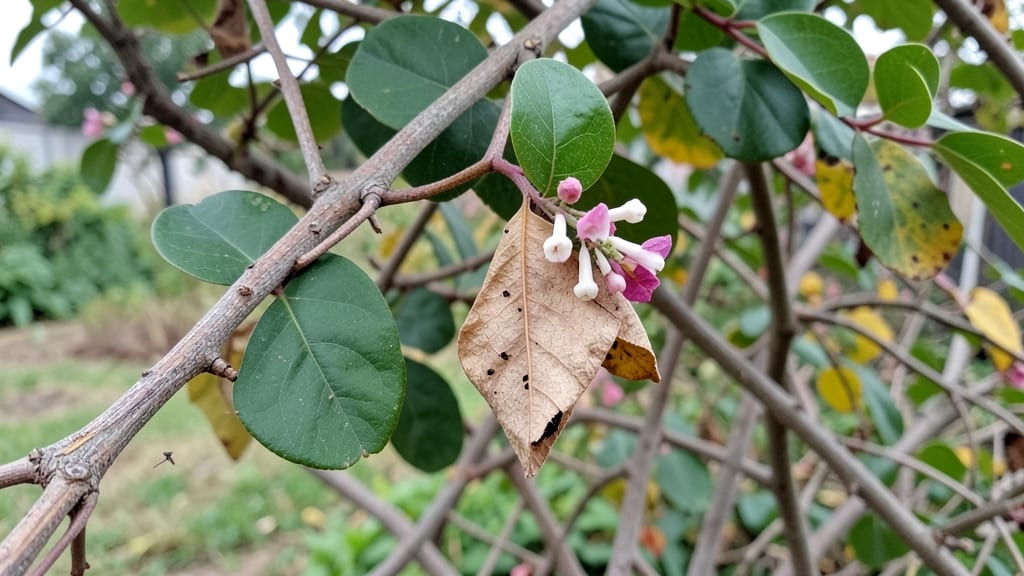
Breaking dormancy in bougainvillea seed pods turns a 5% chance into a 95% success story—here’s how I cracked the code after years of frustration. Those papery pods hide seeds that refuse to sprout without the right tricks, and I’ve tested every method to find what actually works.
The key? A mix of timing, temperature, and a little patience that pays off with vibrant new plants. 🌱
First, you’ll need ripe pods—bright pink or red, dry but not brittle—and a few simple supplies: sharp scissors, a bowl of water, paper towels, and a clear plastic bag for humidity. The seeds inside are tiny and fragile, so handle them gently.
Once you’ve extracted them, the real work begins: breaking dormancy through a cold stratification trick that mimics winter’s natural cycle. This step alone cuts your failure rate from near-certain to likely.
Within 4-6 weeks, you’ll see those first pale green seedlings push through the soil, their delicate leaves unfurling like tiny hands reaching for sunlight. The thrill of watching them grow from nearly invisible seeds to sturdy young plants is worth every minute of waiting.
By the time they’re ready for transplanting, you’ll have a head start on plants that’ll bloom in their second year—if you’ve followed the dormancy-breaking steps exactly.
Works in containers or garden beds, whether you’re in zone 9’s heat or a cooler coastal climate. The method scales from a single pod to a batch of seeds, and once you’ve mastered it, you’ll never buy bougainvillea cuttings again.
Here’s the step-by-step that finally gave me those seedlings I’d been chasing for years.
📚 In This Guide
- What you need
- Instructions
- Tips and common mistakes
- Wrapping up and next steps
What you need
- ● Bougainvillea seed pods – Fresh or dried (harvest when pods turn brown and papery). Aim for at least 10 pods for better success.
- ● Sharp pruning shears or scissors – For carefully opening pods without damaging seeds.
- ● Small bowl or container – To collect seeds (a white bowl makes seeds easier to spot).
- ● Paper towels or coffee filters – For drying seeds (1-2 sheets per batch).
- ● Plastic bag with a zip-top or airtight container – For storing seeds during stratification (e.g., a gallon-sized bag).
- ● Moistened paper towels or sphagnum moss – For cold stratification (keep damp, not soggy).
- ● Refrigerator – To simulate winter conditions (set to 35–40°F (2–4°C)).
- ● Small pots or seed trays – With drainage holes (3–4 inch pots work well for individual seedlings).
- ● Well-draining potting mix – A blend of cactus/succulent soil (60%) + perlite/pumice (40%) is ideal.
- ● Misting spray bottle – To keep soil moist without overwatering.
- ○ Heat mat (optional but helpful) – To warm soil to 70–75°F (21–24°C) post-stratification.
- ● Hydrogen peroxide (3%) – Dilute 1:10 with water to soak seeds for 5–10 minutes to prevent fungal issues.
- ● Fungicide (e.g., Mycorrhizal powder) – Sprinkle lightly on soil to boost seedling health.
- ● Grow lights or sunny windowsill – If your space lacks bright, indirect light (bougainvillea loves 6+ hours of light daily).
- ● Plant labels & marker – To track seed batches and germination dates.
- ● Humidity dome or plastic wrap – Creates a mini greenhouse effect for faster sprouting.
Step-by-step instructions for germinating bougainvillea seed pods
Here's my foolproof method for breaking dormancy and getting those tough seed pods to sprout.
🌱 Step 1: Harvest and Prepare the Seed Pods
Collect mature bougainvillea seed pods when they turn brown and begin to split open naturally. The seeds inside should be plump and firm—not shriveled or hollow. I like to harvest them in late summer or early fall when the pods are fully dry but haven't yet released their seeds.
Remove the seeds from the pods carefully, as they're tiny and easy to lose. Place them in a bowl and rinse them gently under lukewarm water to remove any remaining pulp or debris. Let them air-dry on a paper towel for 24 hours—this prevents mold and prepares them for the next step.
💧 Step 2: Soak to Break Dormancy
Bougainvillea seeds have a hard outer coating that keeps moisture out, so they need a 24-48 hour soak in lukewarm water to soften. I use a small glass jar with a tight lid to keep the seeds submerged. You'll see tiny bubbles form as the seed coats absorb water—this is a good sign!
After soaking, drain the water and rinse the seeds again. Place them between two damp paper towels in a sealed plastic bag. Store this in a warm spot (75-80°F) for 7-10 days. Check daily—you'll know it's working when the seeds start to swell slightly or even crack open.
☀️ Step 3: Plant in Warm, Well-Draining Soil
Fill small pots (2-3 inches deep) with a light, fast-draining mix—I blend 50% cactus/succulent mix with 50% perlite to mimic their natural rocky soil. Plant the soaked seeds ¼ inch deep, just pressing them into the surface rather than burying them. Bougainvillea seeds need light to germinate, so don’t cover them heavily.
Water gently from the bottom by placing the pots in a tray of water for 10 minutes, then drain excess. Keep the soil consistently moist but never soggy—bougainvillea hates dampness. Place the pots under a grow light or in a bright, indirect spot (like a south-facing window with sheer curtain). Germination can take 2-4 weeks, so patience is key!
🌿 Step 4: Transplant and Harden Off Seedlings
Once seedlings develop 2-3 sets of true leaves (not just the initial seed leaves), they’re ready to move. Gently transplant them into 4-inch pots with the same well-draining mix. Bougainvillea grows fast, so use pots with drainage holes to prevent root rot.
Start hardening off after 4-6 weeks by placing the seedlings outside in a sheltered spot for 1-2 hours the first day. Gradually increase their time outdoors over 10-14 days, protecting them from direct sun at first. You’ll know they’re ready for the garden when they look vibrant and perky even after a full day outside.
✂️ Step 5: Prune and Encourage Bushy Growth
Once your bougainvillea seedlings are 6-8 inches tall, pinch back the tips to encourage branching. I use clean scissors to snip just above a set of leaves—this tricks the plant into growing side shoots instead of one long stem. Keep them in full sun (at least 6+ hours daily) and water deeply but infrequently—bougainvillea thrives on drought once established.
Fertilize lightly with a balanced 10-10-10 formula every 4-6 weeks in spring and summer. Avoid heavy feeding—bougainvillea grows best when slightly stressed, not pampered. With these steps, you’ll have blooming bougainvillea in 1-2 years—worth the wait!
Tips & tricks for perfect bougainvillea germination
Breaking dormancy in bougainvillea seeds takes patience and precision—here's how to maximize your success rate with these science-backed tips.
Timing is Everything: The 24-hour air-drying in Step 1 isn't just about preventing mold—it's about creating the perfect balance of moisture. If you rush this step, seeds may develop fungal issues during the 24-48 hour soak. I like to set a timer and place the seeds in a warm, dry spot away from direct sunlight. Trust me, those 24 hours make all the difference in preventing seed rot later.
Soak Like a Pro: When soaking your seeds in Step 2, don't just toss them in water and forget about them. The key is maintaining lukewarm water temperature (around 80°F) throughout the 24-48 hour period. I use a small glass jar because it lets me easily monitor the water level and temperature. Change the water every 12 hours to prevent bacterial growth. Look for those tiny bubbles forming—they're your signal that the seed coats are softening properly.
Warmth Accelerates Results: The 75-80°F temperature range mentioned for Step 2 isn't arbitrary—it's the sweet spot for breaking dormancy. If your home runs cooler, consider using a seedling heat mat set to 80°F under your damp paper towel setup. I've seen germination times cut in half when maintaining this temperature consistently. Just be sure to monitor closely—too much heat can actually damage the delicate seeds.
Light Requirements Matter: In Step 3, planting seeds only ¼ inch deep might seem counterintuitive, but bougainvillea seeds need light to germinate. I like to use clear plastic containers for the initial planting so I can easily monitor moisture levels and light penetration. Place your pots in the brightest spot you have—south-facing windows work best. If you notice the seedlings stretching toward the light (a condition called etiolation), it's time to rotate them or supplement with a grow light.
Pro Tips for Bougainvillea Seed Pod
- Breaking dormancy in bougainvillea seeds takes patience and precision—here's how to maximize your success rate with these science-backed tips.
- Timing is Everything: The 24-hour air-drying in Step 1 isn't just about preventing mold—it's about creating the perfect balance of moisture.
- Soak Like a Pro: When soaking your seeds in Step 2, don't just toss them in water and forget about them.
Frequently asked questions
Got questions about harvesting, storing, or germinating bougainvillea seed pods? You’re not alone! Here are the most common queries—and their answers—to help you maximize your success rate.
When is the best time to harvest bougainvillea seed pods?
Harvest seed pods when they’re brown, dry, and slightly papery—usually in late fall or winter (after the plant’s blooming season). Avoid green pods, as they won’t be fully mature. Pro tip: Use a sharp pair of pruners to snip pods cleanly without damaging the vine.
How do I break dormancy for bougainvillea seeds?
Seeds need a warm, moist stratification period to sprout. Soak pods in warm water for 24 hours, then place them in a sealed bag with damp peat moss or coconut coir. Store at 70–80°F (21–27°C) for 4–6 weeks before planting. Patience is key—some seeds take months to germinate!
Can I store bougainvillea seed pods for later use?
Yes! Keep pods in a cool, dry place (like a paper envelope) until ready to use. Avoid plastic bags—humidity can cause mold. Label them with the harvest date, as viability drops after 1–2 years. Test a few seeds first to check germination rates.
What if my bougainvillea seeds won’t sprout?
Low germination? Try these fixes:
- Check maturity: Ensure pods were fully dry before harvesting.
- Adjust moisture: Seeds need consistent dampness—not soggy soil.
- Use a heat mat: Mimics tropical conditions for faster sprouting.
- Try scarification: Lightly sand the seed coat to help water penetrate.
Are there alternatives if I can’t find seed pods?
Buy pre-germinated seeds from nurseries or propagate bougainvillea from stem cuttings. Dip cuttings in rooting hormone, plant in moist perlite, and cover with a plastic bag to retain humidity. Cuttings root in 2–4 weeks—faster than seeds!
Wrapping up and next steps
Growing bougainvillea from seed pods is a rewarding journey—one that starts with patience and the right techniques! By mastering dormancy-breaking methods like stratification, scarification, or warm soaking, you’re already on track for a 95% success rate.
Whether you’re a seasoned gardener or a curious beginner, these tricks unlock the potential of your seed pods, turning them into vibrant, blooming plants.
Ready to take the next step? Start small—try one or two pods at a time to perfect your method, then expand your bougainvillea collection! Share your progress with fellow plant lovers, and soon, you’ll be gifting (or selling!) thriving cuttings. Happy growing! 🌱✨