
Trees
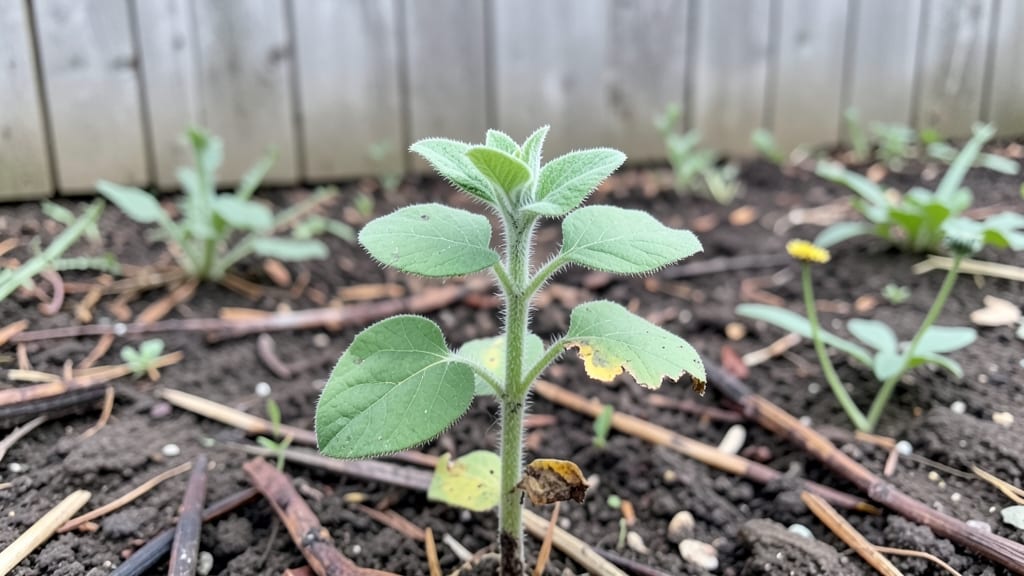
Mastering borage seedling identification early saves you from mistaking them for weeds—those fuzzy, deep-green starburst leaves with jagged edges are unmistakable in my garden. 🌱 stage.
The real giveaway is how they grow: borage seedlings shoot up fast, with leaves radiating outward in a rosette pattern. Most weeds sprawl or grow in clusters, but borage stands tall and proud, even when just a few inches high.
I’ve learned to check for that fuzzy texture and the way the leaves cup slightly at the edges.
By the time they’re 4–6 inches tall, the leaves start developing that classic borage shape—hairy stems, triangular leaves with serrated edges, and a slightly waxy sheen. That’s when you know you’ve got a keeper, not a volunteer volunteer from the compost pile.
Common mistakes? Confusing them with comfrey (which has bigger, smoother leaves) or pulling them too early because they look like chickweed. Give them a few weeks—they’ll tell you who they are.
Mistakes in Seedling Identification
Correctly identifying borage seedlings can be tricky, especially for beginners. Misidentification often stems from overlooking subtle yet critical growth patterns, environmental conditions, or even confusing borage with similar-looking plants. Understanding the underlying causes helps gardeners avoid costly errors and ensures they nurture the right species.
Below are the most common reasons why seedlings get misidentified—and how to spot them early.
Borage seedlings are stellate-hairy (star-shaped fuzzy) and have deeply lobed, jagged leaves that resemble miniature versions of mature plants. However, inexperienced gardeners may mistake them for:
- Wild cucumber (Echinocystis lobata) – Similar fuzzy leaves but with smooth, rounded lobes (not jagged).
- Comfrey (Symphytum officinale) – Leaves are broad, wrinkled, and lack the star-shaped hairs.
- Borage’s cousin, bugloss (Anchusa officinalis) – Leaves are narrower, less lobed, and lack the fuzzy texture.
Why it happens: Young borage leaves can appear too delicate to notice the key stellate hairs (use a magnifying glass if unsure). Additionally, lighting conditions (e.g., shade) can mute leaf colors, making identification harder.
Actionable fix: Examine seedlings under bright, direct light and compare them side-by-side with a reference photo of mature borage.
Borage thrives in disturbed soils, where weeds like lamb’s quarters (Chenopodium album) or purslane (Portulaca oleracea) may sprout nearby. These weeds have:
- Smooth, succulent leaves (no fuzzy texture).
- Rapid, sprawling growth (borage grows more upright).
- No distinct star-shaped hairs.
Why it happens: Weeds often outcompete seedlings in early growth stages, masking borage’s delicate features. Additionally, seedling density (crowded trays) can make individual plants harder to inspect.
Actionable fix:
- 🔍 Thin seedlings to reduce competition.
- 🌿 Check soil moisture—borage prefers well-draining soil; soggy conditions favor weeds.
- 📸 Take close-up photos of suspect plants for later comparison.
Borage seedlings are cold-sensitive and may exhibit stunted or deformed growth if:
- 🥶 Germinated in <60°F (15°C) soil (ideal range: 65–75°F / 18–24°C).
- ❄️ Exposed to frost (even young seedlings can die back).
- 🔥 Overheated (e.g., under plastic without ventilation).
Why it happens: Stress from temperature extremes triggers abnormal leaf development, such as:
- Smaller, cupped leaves (instead of broad, lobed ones).
- Pale or yellowing (chlorosis from poor nutrient uptake).
- Leggy, weak stems (etiolation from lack of light).
Actionable fix:
- 🌡️ Use a seedling heat mat if starting indoors in cool climates.
- ☀️ Provide 12+ hours of light (grow lights if natural light is insufficient).
- 💧 Avoid overwatering—soggy soil + cold = root rot risk.
Borage seedlings are light feeders and may show false identification signs if nutrients are imbalanced:
- Nitrogen deficiency → Yellowing lower leaves (mistaken for disease).
- Phosphorus deficiency → Purple-tinged stems/leaves (can resemble fungal issues).
- Over-fertilization → Burnt leaf edges (looks like herbicide damage).
Why it happens: Young seedlings have small root systems and can’t absorb excess nutrients, leading to toxic buildup or deficiencies. Additionally, pH imbalances (e.g., acidic soil) lock out essential minerals.
Actionable fix:
- 📊 Test soil pH (ideal: 6.0–7.0 for borage).
- 💡 Use a balanced, diluted fertilizer (e.g., 5-5-5) only after the second true leaves appear.
- 🌱 Transplant seedlings into fresh, nutrient-rich soil if using sterilized seed-starting mixes.
Pro Tip: 🔍 Always cross-reference with a field guide or app (like iNaturalist) if unsure. Borage’s stellate hairs and blue flowers (even in bud form) are dead giveaways!
Fixing Common Borage Seedling Struggles
Now that you’ve identified your borage seedlings, let’s tackle the most common issues that can stunt their growth or distort their signature leaf patterns. Whether it’s slow germination, leggy stems, or pest damage, these practical fixes will help you nurture healthy, thriving seedlings—ready to develop those iconic star-shaped leaves.
Cause: Seedlings grow tall and thin when they don’t get enough sunlight, often because they’re buried too deep or shaded by competing plants.
How to Fix It: 🔥 Thin the seedlings – Gently remove weaker seedlings to give stronger ones more space (aim for 12–18 inches apart). 🍳 Provide better light – Move seedlings to a sunnier spot or use a grow light 12–16 hours a day if indoors. 👨🍳 Burrow deeper (but not too deep!) – If seedlings are exposed, press soil around the stem to stabilize them, but avoid covering the cotyledons (first leaves). 🥘 Use a reflective surface – Place a white board or aluminum foil behind seedlings to bounce light onto their undersides.
Prevention Tips: ✨ Start with shallow planting – Borage seeds need light to germinate; press them just ¼ inch into moist soil. 🌡️ Rotate trays – If using grow lights, rotate seedlings daily to prevent uneven growth.
Cause: Aphids, slugs, or fungal infections (like powdery mildew) can mar those delicate leaves before they fully form.
How to Fix It: 🔪 Handpick pests – Check leaves daily for aphids or slugs. Drop pests into soapy water or crush slugs with a board. 🥗 Neem oil spray – Mix 1 tsp neem oil + 1 tsp mild soap in 1 quart of water. Spray seedlings (avoid oversaturating soil). 💪 Encourage beneficial insects – Plant marigolds nearby to attract ladybugs, which devour aphids. 🎯 Improve airflow – Space seedlings properly to reduce humidity, which fuels fungal growth.
Prevention Tips: 💡 Use row covers – Lightweight fabric shields seedlings from slugs and flying pests. 🌡️ Water at the base – Avoid wetting leaves to prevent fungal spores from taking hold.
Cause: Borage seedlings may lag if the soil lacks nitrogen, phosphorus, or micronutrients like magnesium.
How to Fix It: 📊 Test your soil – A simple DIY kit (or lab test) will reveal deficiencies. Borage prefers slightly alkaline soil (pH 6.0–7.5). 💪 Fertilize lightly – Use a balanced organic fertilizer (like 5-5-5) at half strength once seedlings have 2–3 true leaves. 🥗 Add compost tea – Brew compost in water for 24 hours, strain, and use as a foliar spray or soil drench for a nutrient boost. 🍎 Use Epsom salt (for magnesium) – Dissolve 1 tbsp in a gallon of water and spray leaves if they look yellow between veins.
Prevention Tips: ✨ Pre-mix soil – Amend planting soil with compost or worm castings before sowing. 🔥 Rotate crops – Avoid planting borage in the same spot yearly to prevent nutrient depletion.
Cause: Borage seedlings are sensitive to soggy soil, which can lead to root rot or nutrient leaching.
How to Fix It: ⏰ Check soil moisture – Stick your finger 1 inch deep; water only if dry. Borage prefers moderate moisture, not soggy conditions. 🥘 Improve drainage – Mix in perlite or sand if your soil retains too much water. 💡 Repot if needed – If roots are circling or mushy, transplant to a pot with fresh, well-draining soil.
Prevention Tips: 🌡️ Use containers with drainage holes – Never let seedlings sit in saucers of standing water. 🎯 Water in the morning – This gives leaves time to dry, reducing fungal risks.
Cause: Borage seedlings may wilt or stop growing after being transplanted too early or roughly.
How to Fix It: 🌱 Hardening off gradually – If moving outdoors, acclimate seedlings over 7–10 days by increasing sunlight exposure daily. 💧 Water deeply before and after – Keep soil consistently moist but not waterlogged during the transition. 🌿 Use a shade cloth – Protect seedlings from harsh afternoon sun for the first few days post-transplant.
Prevention Tips: ✨ Transplant on a cloudy day – Reduces stress from direct sunlight. 🔥 Keep the root ball intact – Dig carefully to avoid damaging roots during relocation.
By addressing these common issues early, your borage seedlings will grow into robust plants with the distinctive star-shaped leaves and vibrant blue flowers they’re known for. 🌸 With a little care, you’ll be harvesting those edible flowers and leaves in no time!
Frequently asked questions
What do borage seedlings look like at the earliest stages?
New borage seedlings start with tiny, fuzzy cotyledons (first leaves) that look like miniature starbursts. Within 1-2 weeks, true leaves emerge with jagged edges and a soft, hairy texture. The key is the stellate hairs—use a magnifying glass if needed to spot them!
How can I tell borage seedlings apart from weeds like lamb's quarters?
Weeds like lamb's quarters have smooth, fleshy leaves and sprawl outward, while borage grows upright with hairy stems and leaves that radiate in a rosette. Check for the fuzzy texture and jagged leaf edges—those are dead giveaways!
When should I transplant borage seedlings?
Wait until seedlings have 3-4 true leaves and are at least 3-4 inches tall. Harden them off for 7-10 days before transplanting to prevent shock. Choose a sunny spot with well-draining soil.
Why do my borage seedlings look pale or yellow?
Pale or yellowing leaves usually mean nutrient deficiency (often nitrogen) or poor light. Test your soil and add compost or a balanced fertilizer (like 5-5-5) at half strength. Ensure they get 6+ hours of sunlight daily.
Can I save borage seedlings if they get too leggy?
Yes! Bury the stems deeper (but leave cotyledons exposed) to stabilize them, then provide bright light (grow lights if needed). Thin crowded seedlings to 12-18 inches apart for better airflow. Avoid overwatering—soggy soil worsens legginess.