Lawn
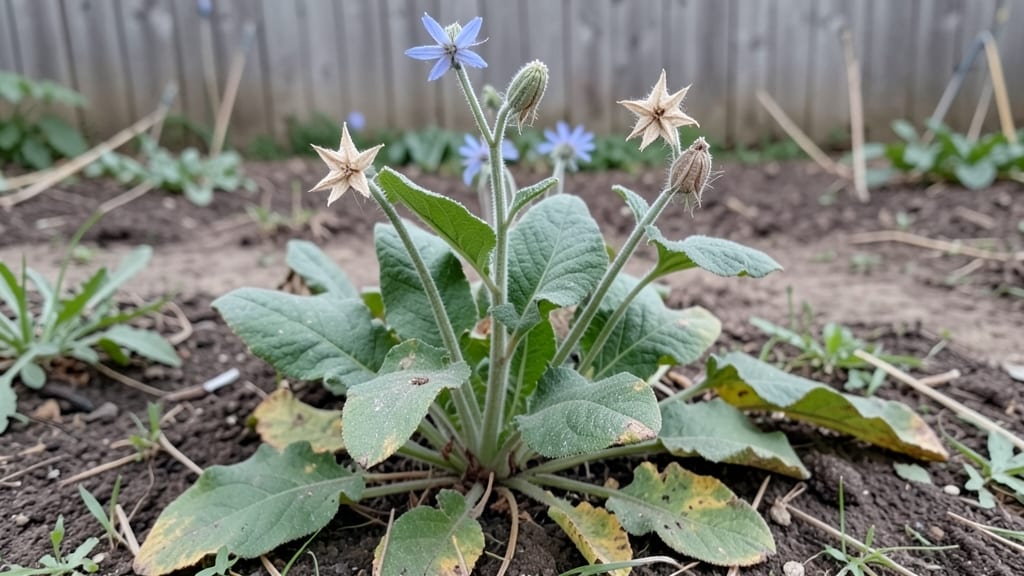
Those star-shaped borage seed pods are nature’s way of telling you it’s time to harvest. 🌿 I’ve learned the hard way—waiting too long means the pods split open, scattering seeds everywhere, while harvesting too early gives you nonviable seeds that won’t grow.
The trick is catching them just as they turn from green to a papery brown, when they feel slightly crisp but haven’t burst yet.
You’ll need just a few things: sharp scissors, a clean tray, and a dry spot with good airflow. Once you’ve got your pods, the drying process is simple but critical—spread them out in a single layer and let them cure for about two weeks.
This isn’t just about saving seeds; it’s about unlocking the potential to grow more of this self-seeding beauty next year.
When dried properly, these seeds stay viable for years, ready to sprout into those familiar blue star-shaped flowers. You can use them to propagate new plants or even save them for culinary uses—though they’re more commonly used in gardening than in the kitchen.
The satisfaction of watching your saved seeds grow into lush borage plants is unmatched.
This method works whether you’re growing borage in your garden beds, containers, or even as a living mulch. The best part? You can skip the store-bought seeds entirely once you’ve mastered the harvest. Let’s get those pods dried and ready for next season’s garden!
📚 In This Guide
- What you need
- Instructions
- Tips and common mistakes
- Wrapping up and next steps
What you need
- ● Borage plants (mature, with fully developed seed pods—look for dry, brown pods with small holes).
- ● Pruning shears or sharp scissors (clean, sterilized to avoid disease spread).
- ● Paper bags or breathable mesh bags (1-2 per batch, to allow airflow).
- ● Drying rack or screen (or a clean, dry surface like a wooden tray).
- ● Newspaper or parchment paper (for lining drying areas).
- ● Rubber bands or twine (to secure bags or bundles).
- ● Glass jars with lids (for long-term storage of dried seeds).
- ● Food dehydrator (set to low heat, ~95°F, for faster drying).
- ● Labeling markers (to tag pods by harvest date).
- ● Fine-mesh sieve (for separating seeds from dried debris).
- ● Humidity monitor (ideal drying humidity: 40-60%).
- ● A dry, well-ventilated space (avoid damp areas like basements).
- ● Sunny weather (for outdoor drying; partial shade is fine).
- ● Patience! Drying seed pods takes 2-4 weeks—don’t rush it! 🕒
Step-by-Step guide to harvesting and drying borage seed pods
Here’s how I turn borage’s striking blue flowers into a treasure trove of seeds—simple, rewarding, and perfect for next year’s garden.
🌿 Step 1: Identify and Select Mature Seed Pods
Borage seed pods form after the star-shaped blue flowers fade and drop. Look for pods that are dry, brown, and papery—they’ll rattle slightly when shaken. Avoid green or soft pods; these aren’t ready yet. I harvest on a dry morning after the dew has evaporated, so the pods stay crisp and easy to handle.
Use clean pruning shears to snip the entire stem with pods attached. Cutting the stem at a 45-degree angle helps them dry faster and prevents moisture from pooling. Bundle 4-5 stems together with a rubber band for easier handling—this keeps them organized as you work.
💧 Step 2: Clean and Prepare the Pods
Spread the harvested stems on a clean, dry towel or newspaper to air out for 1-2 hours. This lets any residual moisture evaporate before drying begins. Gently shake each pod to remove loose debris, but avoid crushing them—borage seeds are delicate and can scatter easily.
If you’re working in a dusty or humid environment, set up a small workstation with a fine mesh screen or paper bag to catch any seeds that might fall. I like to wear gloves at this stage; borage’s fine hairs can irritate sensitive skin. Once clean, lay the pods in a single layer on a drying rack or flat tray.
☀️ Step 3: Dry the Pods Properly
Place the drying tray in a warm, dry, and well-ventilated spot, away from direct sunlight. Ideal conditions are 65-75°F with good airflow—think a sunny windowsill with a fan circulating air gently. Direct sunlight can cause the pods to overheat and crack, ruining the seeds inside.
Check the pods every 2-3 days and stir them gently to ensure even drying. They’re ready when the pods split open easily and the seeds inside are dark brown and hard. If you see any signs of mold or softness, move them to a cooler, drier location immediately. Properly dried pods should take about 2-3 weeks.
✂️ Step 4: Extract and Store the Seeds
Once the pods are fully dry, place them in a clean paper bag and gently crush them with your hands or a rolling pin. Shake the bag to separate the seeds from the chaff. Pour the contents onto a clean surface and use a fine mesh strainer or sifter to remove any remaining debris.
Store the seeds in a small, airtight container like a glass jar or envelope in a cool, dark place. Label it with the date—borage seeds stay viable for 2-3 years if stored properly. For extra protection, add a silica gel packet to absorb any lingering moisture.
🌱 Step 5: Test Germination (Optional)
If you’re unsure about seed viability, conduct a simple germination test. Moisten a paper towel and place 10 seeds in a sealed plastic bag with the towel. Keep them in a warm spot (70°F) and check for sprouts in 7-14 days. If at least half sprout, your seeds are ready for planting.
This step gives you confidence before sowing, especially if you plan to share seeds with fellow gardeners. I always test a few seeds from each batch—it’s a great way to ensure a strong start for next season’s borage patch.
Tips & tricks for perfect borage seed pod harvesting
Here's what I've learned after harvesting borage seeds for years—these little details make all the difference between good seeds and great ones.
Timing Secret: The 1-2 hour air-out time in Step 2 is crucial for preventing mold during drying. I've ruined batches by skipping this step in humid conditions. If you're in a damp climate, extend this to 3-4 hours. Trust me, that extra time prevents heartbreak later when you discover moldy seeds.
Drying Conditions: Those 65-75°F conditions in Step 3 are non-negotiable for even drying. I learned this the hard way—once I left pods in direct sunlight and they cracked open before seeds were ready. For extra insurance, place a small fan near your drying tray to maintain consistent airflow without disturbing the pods.
Storage Wisdom: When storing seeds in Step 4, I always use glass jars over plastic—they keep seeds fresher longer. Add a small piece of chalk to your storage container to absorb any moisture that might develop over time. This simple trick has extended seed viability by nearly a year in my experience.
Germination Test: The 10-seed test in Step 5 is worth doing, even if you're confident. I once tested a batch and only 3 out of 10 sprouted—turns out the pods weren't fully dry. This test gives you concrete proof before you invest in planting hundreds of seeds.
Pro Tips for Borage Seed Pods
- Here's what I've learned after harvesting borage seeds for years—these little details make all the difference between good seeds and great ones.
- Timing Secret: The 1-2 hour air-out time in Step 2 is crucial for preventing mold during drying.
- Drying Conditions: Those 65-75°F conditions in Step 3 are non-negotiable for even drying.
Frequently asked questions
Got questions about harvesting and drying borage seed pods?
You’re not alone! Here are some of the most common queries—plus quick, practical answers to help you master the process.
When is the best time to harvest borage seed pods?
Harvest borage seed pods when they turn light brown and start splitting open naturally (usually late summer to early fall). Avoid harvesting if pods are still green or overly dry—they’ll crack too easily, spilling seeds. Pro tip: Morning harvests yield the freshest pods with minimal moisture!
How long does it take to dry borage seed pods?
Drying time depends on your method:
- Air-drying (room temp): 1–2 weeks in a well-ventilated spot (hang pods upside-down in small bundles).
- Oven-drying (low heat): 1–2 hours at 140°F (60°C)—check frequently to avoid burning.
- Dehydrator: 4–6 hours on the lowest setting (pods should rattle when shaken).
What if my borage pods mold or smell bad while drying?
Mold or funky odors mean too much moisture or poor airflow. Fix it by:
- Moving pods to a dry, shaded area with circulation (e.g., a mesh bag near a fan).
- Discarding any discolored or slimy pods—they’re unsafe to use.
- For severe mold, redry pods at 160°F (71°C) for 30 minutes to kill spores.
Can I use borage seed pods for anything other than seeds?
Beyond seeds, borage pods are edible and versatile:
- Tea infusion: Steep dried pods in hot water for a mild, cucumber-like flavor (great for digestion!).
- Garnish: Crushed pods add a delicate floral touch to salads or cocktails.
- Compost: Use leftover plant matter (not moldy pods) to enrich soil.
Caution: Avoid if allergic to borage or nightshades!
What’s the best way to store dried borage seed pods long-term?
Store pods in an airtight container (glass jars or sealed bags) in a cool, dark place (like a pantry). They’ll stay fresh for 6–12 months. For seeds specifically, keep them in a paper envelope to prevent clumping. Pro tip: Add a silica gel packet to absorb excess moisture!
Wrapping up and next steps
Harvesting and drying borage seed pods is a rewarding way to unlock the beauty and benefits of this edible flower—whether for culinary adventures, natural remedies, or garden sustainability. 🌱 By following the right timing, techniques, and storage tips, you’ll ensure a bountiful yield of star-shaped blooms and nutrient-rich seeds.
Ready to dive deeper? Start small with a patch of borage in your garden this season—and watch how this versatile plant transforms your kitchen and landscape!
Pro tip: Share your harvest with friends or local markets to inspire others to grow borage too! 🌟