Vegetables
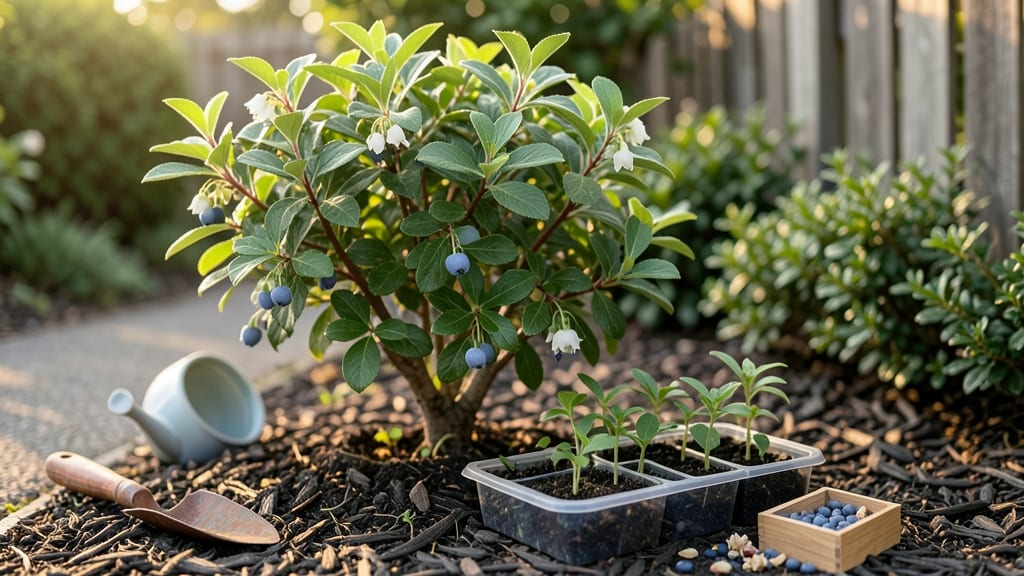
Blueberry seeds inside are perfectly safe to eat and edible, packed with antioxidants and fiber, though their tiny size means they contribute minimal calories or nutrients compared to the fruit itself.
The tiny blueberry seeds inside are not just harmless—they're part of the fruit's natural design. 💫 These hard-coated seeds, called achenes, evolved to protect the plant's genetic material while dispersing efficiently.
When you eat them, you're getting a concentrated dose of anthocyanins (the pigments that give blueberries their vibrant color) and cellulose fiber, though their minuscule size means they won't significantly boost your daily nutrient intake.
The real nutritional powerhouse is the juicy flesh surrounding them, which contains higher levels of vitamin C and potassium.
If you're growing your own blueberries, leaving the seeds intact actually helps the plant's natural reproduction cycle. 🌱 For culinary use, frozen blueberries retain their seeds better than fresh ones, making them ideal for smoothies or oatmeal where texture matters less.
Meanwhile, seedless varieties—often created through breeding—prioritize convenience over the subtle crunch and potential health benefits of the original seeds.
💡 In This Article
- Why Blueberry Seeds Are Naturally Edible
- Harvesting and Preparing Blueberries with Seeds Intact
Why blueberry seeds are naturally edible
Blueberry seeds, known botanically as achenes, are designed by nature to survive digestion. Their hard, lignified outer shell—composed primarily of cellulose and lignin—acts as a protective barrier against digestive enzymes while preserving the seed's viability.
This evolutionary adaptation ensures the plant's genetic material can pass through animals' digestive tracts intact and germinate elsewhere. 🔥 The shell's toughness also shields delicate compounds like anthocyanins (responsible for the fruit's deep blue color) from being broken down during digestion.
The tiny size of blueberry seeds—typically measuring just 1-2 millimeters in length—means they pass through the digestive system largely unchanged. Studies show these seeds contain trace amounts of polyphenols (like ellagic acid) and fiber, though their contribution to daily nutritional needs is minimal compared to the fruit's flesh.
For perspective, a single cup of whole blueberries contains about 84 seeds, each weighing less than 0.001 grams—hardly enough to impact calorie intake significantly.
What makes these seeds uniquely safe is their chemical composition. Unlike some plant seeds that contain toxins (e.g., cyanogenic glycosides in apple seeds), blueberry seeds lack harmful compounds. Their primary function is seed dispersal, not defense.
The hard shell prevents premature germination while the fruit is still on the plant, ensuring seeds only sprout when conditions are optimal after passing through an animal's digestive system. 💫 This dual-purpose design—protection and dispersal—explains why they're perfectly edible without risk.
The hard shell also plays a role in preserving the seed's nutritional integrity. Anthocyanins, which give blueberries their antioxidant properties, remain stable within the seed's protected environment. When consumed, these compounds may still offer minor health benefits, though their bioavailability is limited by the seed's indigestible outer layer.
This is why the juicy flesh surrounding the seeds contains higher concentrations of these beneficial compounds.
Interestingly, the presence of seeds in blueberries affects their texture and flavor subtly. The tiny crunch adds a satisfying contrast to the fruit's soft flesh, while the seeds contribute to the berry's natural sweetness by breaking down slowly during chewing.
This sensory experience is lost in seedless varieties, which are often bred through selective pollination rather than genetic modification. For those who prefer seedless blueberries, the trade-off is convenience over this natural texture and minor nutritional nuances.
From a culinary perspective, the edibility of blueberry seeds means you don't need to remove them when using whole berries in cooking. Whether blended into smoothies, baked into muffins, or enjoyed fresh, the seeds add a subtle complexity that enhances the fruit's overall profile.
Their presence is a reminder of nature's efficient design—where every part of the fruit, no matter how small, serves a purpose. ✨