
Vegetables
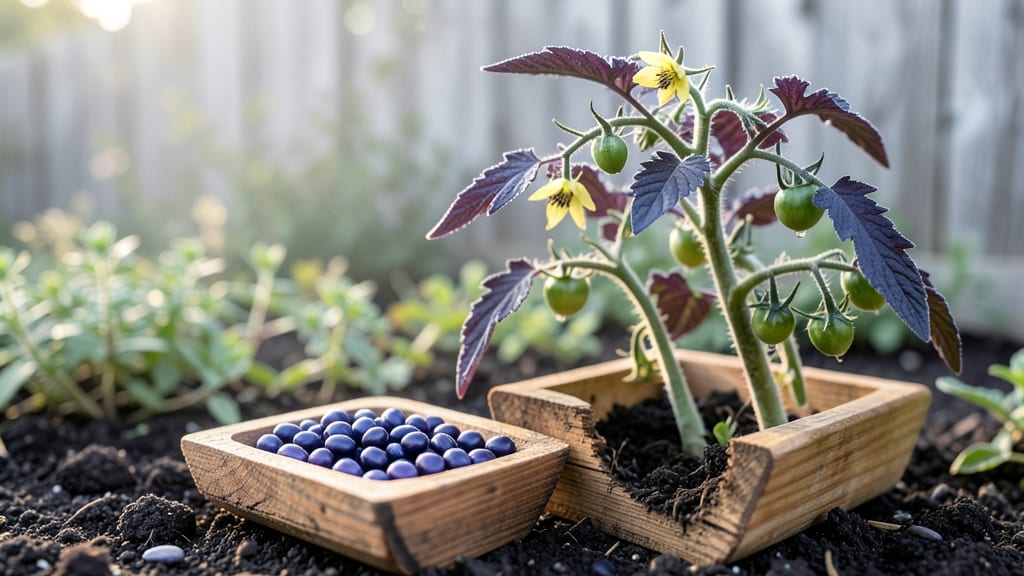
Growing blue tomato seeds unlocks a garden showstopper that looks like edible art. 🌿 The secret to those striking purple-blue fruits starts with proper stratification—a cold treatment that mimics nature’s timing and jumpstarts germination.
Most gardeners skip this step with heirloom seeds, but blue tomatoes need it to break dormancy and produce vibrant blooms that stay true to color.
You’ll need a few simple supplies: blue tomato seeds (save your own or order certified organic), a damp paper towel or peat moss, a sealed plastic bag, and a refrigerator.
The process takes just 3 weeks, and the payoff is a plant that thrives with deep purple foliage and fruit that ripens to a stunning indigo hue—far more dramatic than standard red varieties. Unlike regular tomatoes, these need consistent moisture and slightly cooler nights to maintain their signature color.
By following the stratification schedule, you’ll see seedlings emerge in weeks instead of months, with plants that mature faster and produce fruit earlier. The flavor is just as rich as red tomatoes, though with a slightly sweeter, earthier profile that makes them perfect for slicing or sauces.
Just be prepared for curious neighbors—they’ll want to know your secret.
This method works best in zones 5-9, where cooler springs align with the seeds’ natural rhythm. For warmer climates, extend the stratification period by 1-2 weeks. The key is patience: blue tomatoes take slightly longer to ripen than red varieties, but the visual impact makes every extra day worth it.
📚 In This Guide
- What you need
- Instructions
- Tips and common mistakes
- Wrapping up and next steps
What you need
- ● Blue tomato seeds (1–2 packets, heirloom or hybrid varieties like Indigo Rose, Blue Beauty, or Blueberry—check seed labels for stratification needs!)
- ● Seed-starting mix (2–3 quarts of sterile, peat-based potting soil—avoid garden soil to prevent mold!)
- ● Seed trays or small pots (6–12 cell packs or 3–4" diameter pots with drainage holes)
- ● Plastic storage bags (quart-sized, resealable for humidity control)
- ● Spray bottle (for gentle watering—no soaking!)
- ● Plastic wrap or clear lid (to create a mini greenhouse effect)
- ● Refrigerator (for cold stratification—must maintain 35–45°F)
- ● Grow lights or sunny windowsill (12–16 hours of bright, indirect light post-stratification)
- ● Heat mat (to speed up germination after stratification—70–75°F ideal)
- ● Humidity dome (keeps moisture consistent without overwatering)
- ● pH test kit (aim for 6.0–6.8 for seed-starting mix)
- ● Fungicide (like hydrogen peroxide (3%) to sterilize seeds if needed)
- ● Labeling tags (to track seed varieties and stratification dates!)
How to stratify blue tomato seeds for faster germination
Skip the waiting game—these tricks get your heirloom blue tomatoes sprouting in record time.
🌱 Step 1: Soak Seeds Overnight for Maximum Moisture
Place the 10 blue tomato seeds in a small bowl and cover them completely with room-temperature water. Let them soak for 12-24 hours—this softens the tough seed coat and speeds up germination. I like to label the bowl with the variety and date so I don’t forget which seeds are which.
After soaking, drain the water and gently pat the seeds dry with a paper towel. This prevents mold from forming while keeping them hydrated. The seeds are ready when they feel slightly plump to the touch—like tiny, firm marbles.
💧 Step 2: Layer Seeds in Damp Paper Towels for Stratification
Fold a paper towel into a square and dampen it with lukewarm water until it’s moist but not dripping. Place the soaked seeds about 1 inch apart in the center of the towel. Fold the towel over the seeds to create a sandwich, then place it inside a ziplock bag.
Seal the bag loosely—you want airflow to prevent mold, so don’t make it airtight. Place the bag in a cool, dark spot, like the bottom of your fridge, where temperatures hover around 40-50°F. This mimics natural winter chilling and breaks dormancy faster than room-temperature methods.
⏰ Step 3: Monitor for Sprouting and Prepare Grow Trays
Check the bag every 2-3 days for signs of sprouting. You’ll see tiny white roots or a tiny green shoot—this is your cue that germination is underway. Once you spot the first signs, move the bag to a warm spot (70-75°F) to encourage faster growth.
While waiting, fill 4 small seedling trays with the 2 gallons of seed-starting mix and moisten it until damp. Press the soil down gently—this creates a firm base for delicate roots. Keep the trays ready so you can transplant the sprouted seeds immediately after they’ve grown ¼ inch tall.
🌿 Step 4: Transplant Sprouted Seeds into Trays
Carefully unfold the paper towel and place each sprouted seed ½ inch deep in its own cell of the seedling tray. Cover lightly with soil, then mist the surface with water until evenly moist. Avoid soaking the soil—you want it damp, not soggy.
Place the trays under a grow light or in a sunny window where they’ll get 12-14 hours of light daily. Keep the soil consistently moist by checking the top inch daily—if it feels dry, water gently. In 7-10 days, you’ll see the first true leaves emerge, signaling healthy growth.
☀️ Step 5: Harden Off Seedlings Before Outdoor Planting
Two weeks before your last frost date, start hardening off the seedlings. Move them outside to a shaded, sheltered spot for 1-2 hours the first day. Gradually increase their time outdoors by 1 hour daily until they can handle full sun.
Watch for signs of stress—wilting or yellowing leaves mean they’re not ready yet. Once they’re thriving in outdoor conditions, transplant them into the garden or larger containers. With this method, you’ll have vibrant blue tomato plants ready to bloom in just 6-8 weeks.
Tips & tricks for perfect blue tomato seed stratification
Here's what nobody tells you about getting those heirloom blue tomato seeds sprouting faster than your neighbor's conventional varieties.
Soaking Precision: When soaking your 10 blue tomato seeds for 12-24 hours in Step 1, use room-temperature water—not cold from the tap. Cold water can shock the seeds, while warm water might over-hydrate them. I like to place the bowl in a sink with running water for the first 5 minutes to oxygenate the water, which helps prevent mold later. After draining, pat them dry with a paper towel until they feel just slightly damp—not wet, not bone-dry. This balance is crucial for preventing mold while keeping them hydrated enough to sprout.
Stratification Spot Selection: For Step 2's 40-50°F stratification, your fridge's crisper drawer is perfect—but avoid the freezer section! The temperature needs to stay consistently cool but not freezing. If your fridge runs cooler than 40°F, place the bag on a shelf near the back where it's slightly warmer. I've also used a seedling mat set to 50°F for more precise control. The key is maintaining that 40-50°F range for the full stratification period.
Sprout Monitoring Shortcut: In Step 3, when checking for sprouts every 2-3 days, place the bag on a white plate or tray. The contrast makes it much easier to spot those tiny white roots against the paper towel. Once you see sprouts, move the bag to your warmest spot (70-75°F) immediately—delaying this step can cause the delicate sprouts to weaken. I keep a small space heater near my seedling area to maintain that ideal warmth once germination starts.
Seedling Tray Prep: For Step 4's seedling trays, I recommend using 4 small seedling trays with clear domes. The domes create a mini greenhouse effect that helps maintain humidity after transplanting. When pressing down the 2 gallons of seed-starting mix, use the bottom of a clean glass to create firm, even pressure—this prevents air pockets that could suffocate young roots. The soil should be damp enough to hold together when squeezed but not leave water dripping out.
Pro Tips for Blue Tomato Seeds
- Here's what nobody tells you about getting those heirloom blue tomato seeds sprouting faster than your neighbor's conventional varieties.
- Soaking Precision: When soaking your 10 blue tomato seeds for 12-24 hours in Step 1, use room-temperature water—not cold from the tap.
- Stratification Spot Selection: For Step 2's 40-50°F stratification, your fridge's crisper drawer is perfect—but avoid the freezer section!
Frequently asked questions
Got questions about growing blue tomato seeds? You’re not alone—these striking varieties need extra care! Here are answers to the most common questions to help you succeed.
How long does it take for blue tomato seeds to germinate?
Blue tomato seeds typically germinate in 7–14 days under ideal conditions (warmth, moisture, and indirect light). Since they often require stratification or scarification, plan ahead—start indoors 8–10 weeks before your last frost for the best results. Patience pays off with those vibrant blooms!
Do blue tomato seeds need cold treatment (stratification)?
Yes! Many heirloom blue tomato varieties (like Indigo Rose or Blue Beauty) benefit from cold stratification to break dormancy. Mix seeds with damp sand or peat moss, refrigerate for 2–4 weeks, then sow. Skip this step, and germination may be slow or uneven. Pro tip: Label your seeds—blue varieties are easy to confuse with purples!
Can I grow blue tomatoes in containers?
Blue tomatoes thrive in 5-gallon containers or larger with well-draining soil. Choose dwarf or determinate varieties (e.g., Blueberry tomato) for smaller spaces. Ensure pots have drainage holes, and use a balanced fertilizer (10-10-10) every 2–3 weeks. Just watch for blossom end rot—keep soil consistently moist!
Why aren’t my blue tomato plants flowering?
Lack of blooms often stems from temperature stress (below 55°F or above 85°F), over-fertilizing with nitrogen, or insufficient sunlight. Try these fixes:
- Move plants to a sunny spot (6+ hours/day).
- Switch to a phosphorus-rich fertilizer (e.g., 5-10-10) to encourage blooms.
- Hand-pollinate flowers with a soft brush if bees are scarce.
What if I can’t find blue tomato seeds?
No problem! Try these alternatives:
- Purple tomatoes (e.g., Black Krim)—they turn red when ripe but have similar traits.
- Blue-purple eggplants (like Rosa Bianca) for a similar aesthetic.
- Check seed swaps or specialty nurseries (e.g., Baker Creek Heirloom Seeds).
Wrapping up and next steps
Growing blue tomato seeds is a rewarding journey that brings vibrant color and unique flavors to your garden! With the right stratification tricks and patience, you’ll soon enjoy bold blooms and juicy harvests. Don’t let challenges discourage you—every gardener starts somewhere, and your blue tomatoes will be worth the effort!
Ready to take the next step? Start your seeds indoors this week and watch your garden transform. Share your progress with fellow plant lovers—your blue tomato adventure inspires others! 🌱✨