
Vegetables
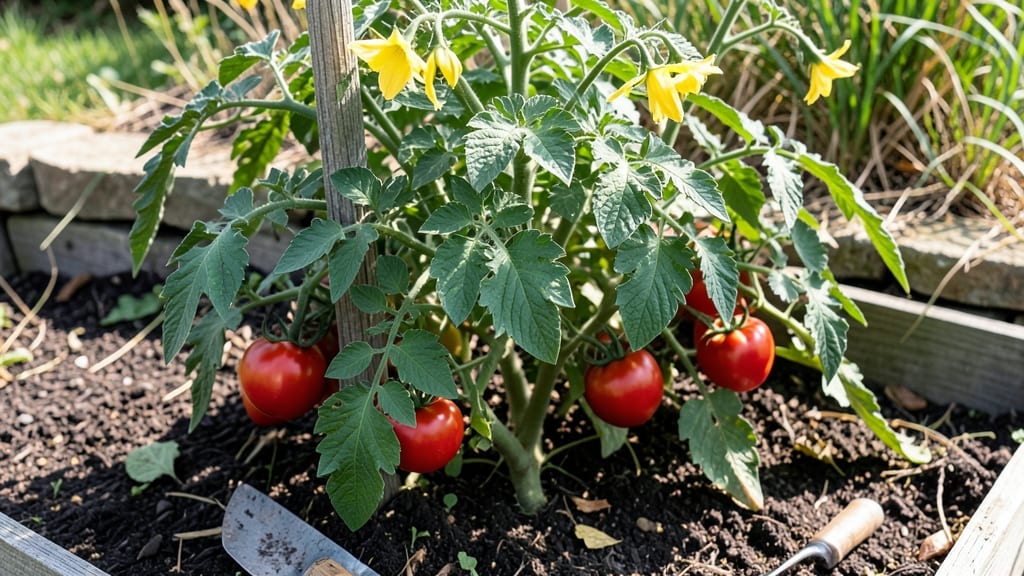
Growing Big Boy tomato seeds into sturdy, vine-laden plants starts with a warm, damp paper towel and patience—because those first sprouts feel like a miracle after weeks of waiting. 🌱 I’ve started hundreds of tomato seeds, and Big Boys are my go-to for reliable, beefy fruit.
The key isn’t fancy equipment; it’s timing, temperature, and a little TLC during those first critical days when roots are just learning to stretch.
You’ll need a seed-starting tray, sterile seed mix, and a heat mat (or sunny windowsill) to keep soil between 70-80°F—tomato seeds need warmth to break dormancy. Most gardeners overwater at this stage, but Big Boy seeds hate soggy soil.
Once sprouted, they’ll grow fast—expect true leaves in about 10-14 days—but keep them under grow lights or in a south-facing window to prevent leggy, weak stems.
By transplanting at 4-6 weeks old, you’ll have stocky seedlings ready to handle outdoor conditions. The payoff? 8-10 foot vines loaded with 1-pound tomatoes each, if you prune aggressively and stake them early.
The first harvest arrives in mid-summer, and the plants keep producing until frost—if you’ve got the space, they’ll outperform store-bought transplants every time.
Here’s the secret no one tells you: Big Boys need full sun (8+ hours daily) and consistent moisture—never let the soil dry out completely, or the flowers drop. I’ve lost entire plants to blight, but proper spacing (18-24 inches apart) and air circulation keep them thriving.
Ready to grow tomatoes that make your neighbors jealous? Let’s get those seeds sprouting.
📚 In This Guide
- What you need
- Instructions
- Tips and common mistakes
- Wrapping up and next steps
What you need
- ● Big Boy tomato seeds – Purchase from a trusted supplier (e.g., Burpee, Baker Creek, or local nurseries). Aim for 2–5 seeds per pot (you’ll thin later!).
- ● Seed-starting mix – A sterile, well-draining blend (e.g., Pro-Mix, FoxFarm Seedling Mix, or coconut coir). Avoid garden soil—it’s too dense!
- ● Containers – Small pots (3–4 inches deep) or seed trays with cells. 3–5 containers for 2–5 seeds each.
- ● Grow lights or sunny windowsill – 12–16 hours of light daily (LED grow lights work best for seedlings).
- ● Watering can or spray bottle – Keep soil moist but not soggy (overwatering = mold!).
- ● Plastic wrap or humidity dome – To retain moisture until germination (usually 5–14 days for Big Boys).
- ○ Fertilizer (optional but helpful) – A balanced, water-soluble fertilizer (e.g., Fish emulsion or 5-5-5) for when seedlings sprout 2–3 true leaves.
- ● Labeling tags – Mark pots with seed variety and date planted!
- ○ Heat mat (optional) – Speeds up germination if temps drop below 70°F (21°C).
- ● Pruning shears – For transplanting or trimming suckers later.
- ● Stake or tomato cage – 5–6 feet tall for support (Big Boys grow big!).
- ● pH test kit – Ideal soil pH for tomatoes: 6.0–6.8.
- ● Compost or worm castings – Boosts soil fertility when transplanting outdoors.
Step-by-Step instructions for germinating Big Boy tomato seeds
Here's how I've reliably coaxed these heavy-hitters from seed to sturdy transplants year after year.
🌱 Step 1: Soak and Prepare the Seeds
Big Boy seeds have a thick outer coating that slows germination. Start by soaking them in a bowl of lukewarm water for 12 hours—this softens the shell and speeds up sprouting. I use a fine-mesh strainer to hold the seeds so they don't sink to the bottom and get waterlogged.
After soaking, drain the seeds and lay them on a paper towel. Fold the towel to create a damp sandwich, then place it in a sealed plastic bag. Store this in a warm location (75-85°F), like on top of your fridge. Check daily—once you see tiny white cracks in the seed coats, they're ready to plant.
🪴 Step 2: Fill Containers with Moistened Seed Starting Mix
Use 4-6 biodegradable seedling pots (since Big Boys need strong roots, I plant 2 seeds per pot to ensure success). Fill each pot with seed-starting mix to within ½ inch of the rim. Press the mix down gently to remove air pockets, then moisten it until it feels like a damp sponge—no puddles, but not bone-dry.
I like to tap the pots on the counter once to settle the soil evenly. The goal is a fine, crumbly texture that holds moisture without compacting. If the mix is too dry, add a light spray of water; if it's too wet, let it sit uncovered for 30 minutes to dry slightly.
💧 Step 3: Plant Seeds at the Right Depth
Big Boy seeds are large, so plant them ¼ inch deep—about twice their diameter. Use your finger to make a small hole in the center of each pot, drop in 2 seeds (they're expensive, so I hedge my bets), and cover lightly with more mix. Press down very gently to ensure good soil-to-seed contact.
Mist the surface with a spray bottle until the soil looks uniformly damp. Avoid overwatering—you want the mix to stay moist, not soggy. Place the pots in a shallow tray to catch any runoff, and cover them with a clear plastic dome or plastic wrap to retain humidity.
☀️ Step 4: Provide Warmth and Light for Germination
Tomatoes germinate best in 75-85°F soil. I use a seedling heat mat to maintain this temperature, which cuts germination time from 10-14 days to just 5-7 days. Keep the pots in darkness until you see sprouts—light isn't needed during this stage, but warmth is critical.
Once the first seedlings emerge, remove the dome and move them to a bright, indirect light source (like a south-facing window or a grow light). You'll know they need more light if the stems stretch toward the window and the leaves turn pale. Keep the light 2-4 inches above the seedlings and raise it as they grow.
✂️ Step 5: Thin and Harden Off Seedlings
When seedlings reach 2 inches tall and have their first true leaves (not the initial seed leaves), thin the weaker of the two plants in each pot. Use clean scissors to snip at soil level—don't pull, or you'll disturb the roots of the remaining seedling. Water the pot lightly after thinning to help the remaining plant recover.
Two weeks before your last frost date, start hardening off the seedlings. Place them outside in a sheltered spot for 1 hour the first day, gradually increasing exposure over 10-14 days. Watch for wilting or leaf scorch—if you see either, they're not ready for full sun yet. Big Boys are heavy feeders, so fertilize lightly with a balanced formula once they're acclimated.
Tips & tricks for germinating Big Boy tomato seeds
Here's what I've learned after years of growing these giants—small details that make all the difference between struggling seedlings and thriving plants.
Soaking Secret: The 12-hour soak in lukewarm water isn't just about speed—it's about creating the perfect conditions for those thick seed coats to soften. I've found that using a fine-mesh strainer prevents seeds from sinking and getting waterlogged, which can lead to mold. If you're short on time, you can extend the soak to 24 hours, but don't exceed that—over-soaking can cause seeds to split before they're ready to plant.
Temperature Matters: Maintaining that 75-85°F range during germination is crucial, but don't let it fool you into thinking you can skip the heat mat. I've tried using just a sunny windowsill in cooler months, and germination time stretched to over two weeks. If your home runs cooler than 70°F, invest in a seedling heat mat—it's the single most effective way to ensure consistent, rapid germination. The extra cost is worth the peace of mind.
Planting Precision: When planting those ¼-inch deep seeds in Step 3, resist the urge to press down hard on the soil. Big Boy seeds need gentle contact with the mix to avoid damaging their delicate embryonic roots. I find that using my finger to make the planting hole and then covering with a light dusting of soil works best. After planting, I give the pots a very gentle tap on the counter to settle the soil without compacting it—this ensures good seed-to-soil contact without crushing the seeds.
Light Transition: The moment those first sprouts emerge in Step 4, you'll want to move them to indirect light immediately. I've seen seedlings develop "leggy" stems when kept in darkness too long—those pale, stretched plants are a sure sign they're starving for light. Once they're in the light, keep those grow lights 2-4 inches above the seedlings and adjust as they grow. The goal is to prevent stretching while ensuring they get enough light to develop strong stems.
Pro Tips for Big Boy Tomato Seeds
- Here's what I've learned after years of growing these giants—small details that make all the difference between struggling seedlings and thriving plants.
- Soaking Secret: The 12-hour soak in lukewarm water isn't just about speed—it's about creating the perfect conditions for those thick seed coats to soften.
- Temperature Matters: Maintaining that 75-85°F range during germination is crucial, but don't let it fool you into thinking you can skip the heat mat.
Frequently asked questions
Got questions about growing Big Boy tomatoes from seed? You’re not alone!
Here are answers to the most common queries to help you cultivate those juicy, beefsteak-sized beauties like a pro.
How long does it take for Big Boy tomato seeds to germinate?
With the right conditions (warmth, moisture, and indirect light), Big Boy seeds typically sprout in 5–14 days. Keep soil consistently moist (not soggy) and maintain a cozy 70–85°F environment. Patience is key—some seeds take longer, especially if the soil is too cold. Pro tip: Use a seedling heat mat to speed things up!
When should I transplant Big Boy seedlings outdoors?
Wait until nighttime temperatures stay above 50°F (10°C) and all frost risk has passed. Seedlings need to be 4–6 weeks old and have 2–3 true leaves before transplanting. Harden them off for 7–10 days by gradually exposing them to outdoor conditions. Big Boy tomatoes thrive in full sun (6–8+ hours/day), so choose a warm, sheltered spot!
What if my Big Boy seedlings look leggy or weak?
Leggy seedlings usually mean they’re stretched for light. To fix this:
- Move them closer to a bright window or under grow lights (12–16 hours/day).
- Rotate trays daily for even growth.
- Use smaller containers (2–3 inches wide) to encourage root development.
If they’re already transplanted, prune lower leaves to improve airflow and reduce stress. Learn more about pruning Big Boy vines here!
Are Big Boy tomato seeds hybrid? Can I save seeds from them?
Yes, Big Boy is a hybrid variety, which means saving seeds won’t guarantee identical offspring. However, you can still try! Let a ripe tomato fully ferment on a paper towel for 3–5 days, then scoop out the seeds, rinse, and dry them. While not 100% reliable, some gardeners report decent results. For consistent Big Boy traits, buy fresh seeds yearly from a trusted supplier.
What should I do if my Big Boy plants get blight or pests?
Early blight (brown spots on leaves) and pests like aphids are common. Preventative care:
- Space plants 2–3 feet apart for airflow.
- Remove infected leaves immediately and dispose of them.
- Use neem oil or copper fungicide as a natural remedy.
- Introduce beneficial insects (like ladybugs) for pest control.
For severe cases, prune affected areas and avoid overhead watering. Crop rotation helps prevent recurring issues!
Wrapping up and next steps
Growing Big Boy tomato seeds into thriving, vine-laden plants is totally within your reach—just follow the proven steps we’ve shared! With the right soil, patience, and a little love, you’ll soon be feasting on homegrown tomatoes that rival store-bought in size and flavor. 🌱
Now that you’re armed with knowledge, it’s time to take action! Start by planting those seeds this weekend and watch your garden transform. Need extra tips? Check out our FAQ section for troubleshooting or explore companion planting ideas to maximize your harvest. Happy growing—your future tomato sandwiches are waiting! 🍅😋