Vegetables
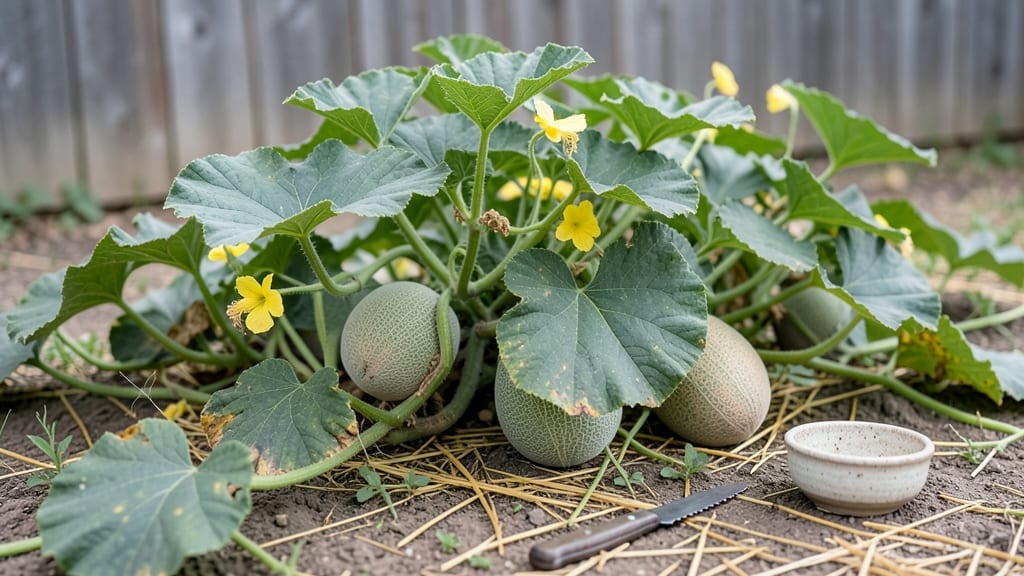
Cantaloupe seeds are healthy to eat in moderation, packed with healthy fats, fiber, and antioxidants like vitamin E, though you should rinse them thoroughly to avoid pesticide residue and limit intake due to their low calorie count.
These tiny seeds pack a nutritional punch beyond their size, offering omega-3 and omega-6 fatty acids that support heart health, along with magnesium and zinc for immune function. 🌟 While they’re not a superfood, their antioxidant content helps combat inflammation—just be mindful of portion sizes, as a single cup contains only about 30 calories but requires careful preparation to remove any bitterness.
Many people enjoy them lightly toasted or sprinkled over salads for added crunch and nutrition.
💡 In This Article
- Nutritional Breakdown of Cantaloupe Seeds
- Safe Ways to Eat Cantaloupe Seeds
Nutritional breakdown of cantaloupe seeds
Cantaloupe seeds are a tiny nutritional powerhouse, containing a unique balance of macronutrients and micronutrients that set them apart from other melon seeds.
Per 1 ounce (about 28 seeds), they provide approximately 150 calories, with 13 grams of fat (mostly unsaturated), 6 grams of protein, and 3 grams of fiber.
This fat profile includes omega-3 and omega-6 fatty acids, which are rare in plant-based seeds and play a crucial role in reducing inflammation and supporting cardiovascular health. 🔥
The micronutrient profile is equally impressive, with magnesium (30mg) and zinc (1.5mg) per ounce—both essential for immune function and metabolic processes.
These seeds also contain vitamin E (3mg), a potent antioxidant that protects cells from oxidative damage, and folate (50mcg), which supports DNA synthesis and red blood cell production.
Compared to watermelon seeds, cantaloupe seeds have 3x more magnesium and 2x more zinc, making them a more nutrient-dense option.
What makes cantaloupe seeds particularly interesting is their low glycemic index and high fiber content, which help regulate blood sugar levels. The fiber (3g per ounce) also promotes gut health by supporting beneficial gut bacteria, similar to the effects seen with chia or flaxseeds.
However, their bitter compounds (like cucurbitacins) can be off-putting if not prepared properly, which is why many people prefer toasting or roasting them to reduce bitterness while enhancing flavor.
The antioxidant properties of cantaloupe seeds extend beyond vitamin E. They contain polyphenols and carotenoids, which contribute to their anti-inflammatory effects. Studies suggest these compounds may help lower oxidative stress markers, though more research is needed to confirm their long-term benefits.
For comparison, 1 ounce of cantaloupe seeds provides roughly 15% of the daily value for vitamin E, while watermelon seeds offer only about 5%.
Here’s how the nutrients break down in practical terms:
- Healthy fats: Supports brain function and reduces inflammation (similar to walnuts but in smaller amounts)
- Magnesium: Helps regulate muscle and nerve function (critical for athletes or those with stress)
- Zinc: Boosts immunity and wound healing (comparable to pumpkin seeds)
- Vitamin E: Protects skin from UV damage and premature aging
The key takeaway is that cantaloupe seeds offer a concentrated source of nutrients in a small package, but their benefits are best realized when consumed as part of a balanced diet—not as a standalone food.
Their bitterness and low calorie count mean they’re best enjoyed in moderation, such as sprinkled over salads or blended into smoothies for a nutrient boost. ✨