Pruning
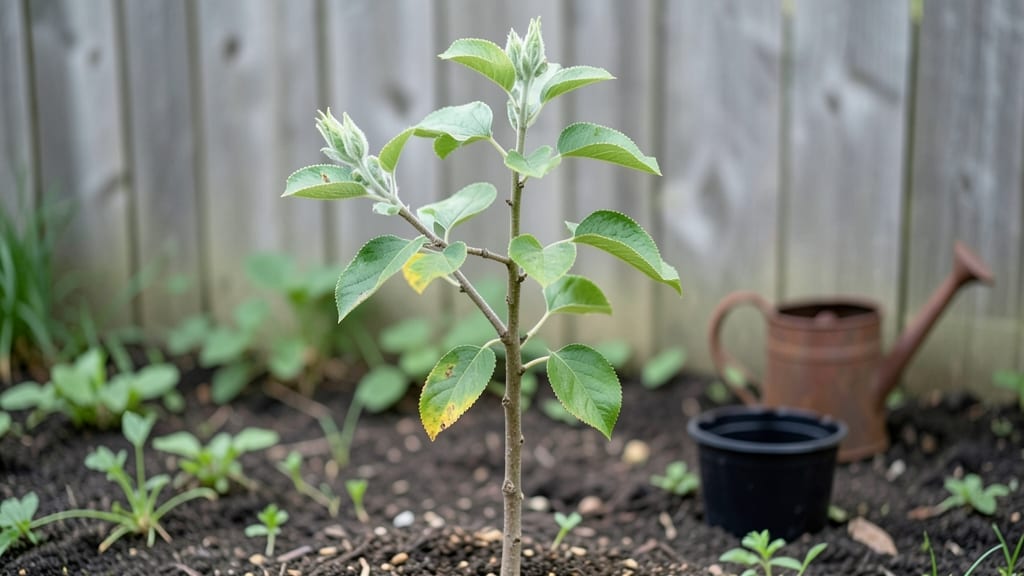
Caring for apple tree seedlings starts with the right balance of patience and simple techniques—because what you do in the first year determines whether your tree becomes a fruit-bearing giant or a sad sapling. 🌱 I’ve watched seedlings wither from overwatering or thrive from a single adjustment, and the difference comes down to understanding their basic needs without overcomplicating things.
You’ll need well-draining soil, a sunny spot with at least 6 hours of light daily, and a watering routine that keeps the roots moist but never soggy.
Pruning young branches in late winter ensures strong structure, while a handful of organic mulch locks in moisture and keeps weeds at bay. The key is consistency—apple seedlings don’t demand constant attention, but they do need reliable care during their first critical growing phases.
By summer’s end, you’ll see sturdy stems and lush green leaves, a sign your tree is off to a great start.
With proper spacing (12–15 feet apart for mature trees), seasonal pruning, and an eye out for common pests like aphids, your seedling will grow into a robust tree capable of producing fruit in just 3–5 years. The effort now pays off in decades of harvests.
This approach works whether you’re planting in a backyard, rural orchard, or even a large container—just adjust spacing and sunlight accordingly. Let’s get those roots growing strong from day one.
📚 In This Guide
- What you need
- Instructions
- Tips and common mistakes
- Wrapping up and next steps
What you need
- ● Apple tree seedling: 1 healthy, disease-free seedling (1–2 years old, preferably grafted for better fruit quality).
- ● Well-draining potting mix or garden soil: For containers: 5–10 gallons of sterile potting mix (e.g., 60% peat moss, 20% perlite, 20% compost).
- ● For in-ground planting: Amended soil with 5–10 lbs of compost per planting hole (6" wider than the root ball).
- ● Pruning tools: 1 pair of bypass pruners (sharp, clean, for cuts under ½").
- ● 1 pair of loppers (for thicker branches, up to 1.5").
- ● 1 pruning saw (for stubborn branches >1.5").
- ● Mulch: 2–3 inches of organic mulch (wood chips, straw, or shredded bark) to retain moisture and suppress weeds.
- ● Fertilizer: Balanced, slow-release fertilizer (10-10-10 or 5-5-5) or organic options like composted manure (apply sparingly, ~½ cup per seedling).
- ● Watering can or hose with a gentle spray nozzle: For deep, consistent watering (avoid overhead spraying to prevent disease).
- ○ Stakes and twine (optional but helpful): 2–3 stakes (2–3 ft tall) and soft twine to support young seedlings in windy areas.
- ● Winter protection: Burlap wrap or frost cloth for young seedlings in cold regions (<30°F).
- ● Summer shade cloth: 30–50% shade fabric to protect seedlings from intense sun (if planting in hot months).
- ● Pest control: Neem oil or insecticidal soap (for aphids, mites, or borers—check your seedlings regularly!).
Step-by-Step guide to nurturing young apple trees
Here’s how I’ve kept my own seedlings thriving—no fancy tools, just smart care.
🌱 Step 1: Plant Your Seedling at the Right Time
Apple trees need dormant planting—late fall or early spring when the tree isn’t actively growing. Dig a hole twice as wide as the root ball but only as deep as the container it came in. This prevents burying the graft union, which can strangle the tree.
Loosen the roots gently if they’re circling the pot. Place the seedling in the hole, backfill with native soil, and tamp lightly to remove air pockets. Water deeply until the soil settles. You’ll know it’s right when the top inch feels damp but not soggy.
☀️ Step 2: Provide the Right Light and Space
Apple trees need full sun—6+ hours daily. Choose a spot with no competing trees or buildings casting shade. If planting in a row, space seedlings 20-25 feet apart (they’ll need elbow room to grow).
Young trees are sensitive to wind—if your yard is exposed, consider a temporary windbreak like a burlap screen for the first year. You’ll see new growth in spring as a sign they’re happy.
💧 Step 3: Water Deeply but Infrequently
Water once a week in the first year, giving 10-15 gallons per tree each time. Soak the soil until it’s damp 12 inches deep—stick your finger in to check. Overwatering is worse than underwatering for young trees.
Mulch around the base with 2-3 inches of organic mulch (like wood chips) to retain moisture and regulate soil temperature. Keep mulch 6 inches away from the trunk to prevent rot.
✂️ Step 4: Prune for Strong Structure
Prune in late winter or early spring before buds swell. Remove any dead, crossing, or inward-growing branches first. Then, shape the tree by cutting back 1/3 of the new growth to encourage a sturdy framework.
Use clean, sharp pruners to make cuts just outside the branch collar. Avoid leaving stubs—this prevents disease. You’ll notice thicker branches forming as the tree matures.
⏰ Step 5: Protect and Monitor Year-Round
In winter, wrap the trunk with tree wrap or burlap to prevent sunscald. In summer, watch for pests like aphids or mites—spray with soapy water if you spot them. Apple trees are tough, but consistent care keeps them healthy.
Fertilize lightly in early spring with a balanced 10-10-10 fertilizer. Too much nitrogen makes leaves grow fast but weakens the tree. You’ll see steady growth and strong branches as your tree matures.
Tips & tricks for perfect apple tree seedling care
These simple tricks will help you avoid common pitfalls and give your young apple trees the best start in life.
Root Care Matters: When planting, gently tease apart any circling roots you find. These roots can strangle your tree as it grows. In Step 1, if you notice roots growing in tight circles around the root ball, take a moment to loosen them with your fingers. This small step prevents long-term growth problems and helps your tree establish stronger roots.
Mulch Placement Tip: In Step 3, when you apply that 2-3 inches of organic mulch, keep it 6 inches away from the trunk. Piling mulch against the trunk can trap moisture and lead to rot. Instead, create a donut shape around the base, leaving the trunk exposed. This simple adjustment protects your tree while allowing it to breathe.
Pruning Technique: When you prune in Step 4, focus on making clean cuts just outside the branch collar. The branch collar is that swollen area where the branch meets the trunk. Cutting here prevents disease from entering the tree through ragged cuts. You'll notice your tree develops a stronger framework when you follow this technique consistently.
Fertilizer Strategy: That early spring 10-10-10 fertilizer application in Step 5 is crucial, but don't overdo it. Too much nitrogen can make your tree grow weak, floppy branches. Stick to the recommended amount and consider splitting it into two smaller applications if you're concerned about over-fertilizing. You'll see steady, healthy growth without the risk of weak branches.
Pro Tips for Apple Tree Seedling Care
- These simple tricks will help you avoid common pitfalls and give your young apple trees the best start in life.
- Root Care Matters: When planting, gently tease apart any circling roots you find.
- Mulch Placement Tip: In Step 3, when you apply that 2-3 inches of organic mulch, keep it 6 inches away from the trunk.
Frequently asked questions
Got questions about nurturing your apple tree seedling? You’re not alone! Here are some of the most common concerns—plus straightforward answers to keep your young tree on the path to fruity success.
How long does it take for an apple tree seedling to bear fruit?
Patience is key! Most apple tree seedlings grown from seed (not grafted) can take 5–10 years to bear fruit—or even longer, depending on the variety and growing conditions. If you’re eager for apples sooner, consider grafted seedlings (2–4 years).
When is the best time to plant an apple tree seedling?
Plant your seedling in early spring (after the last frost) or fall (4–6 weeks before the first frost). Avoid planting in extreme heat or cold—root establishment is critical! If you’re in a warm climate, late winter is ideal. Pro tip: Water deeply before planting to reduce transplant shock.
Why is my apple tree seedling’s leaves turning yellow?
Yellow leaves often signal overwatering, nutrient deficiency (like nitrogen or iron), or root rot. Check the soil moisture—it should be damp but not soggy. Amend the soil with compost or use a balanced fertilizer. If roots look mushy, repot or improve drainage immediately. Pro tip: Test soil pH (ideal: 6.0–7.0) for apple trees.
Can I grow an apple tree from a store-bought apple seed?
Yes, but the fruit may not match the parent apple! Seeds produce seedling trees with unpredictable traits (size, flavor, disease resistance). For consistent results, opt for grafted seedlings or named varieties. If experimenting, save seeds from organic, heirloom apples for the best chance of success.
What pests should I watch for in young apple tree seedlings?
Keep an eye out for aphids, spider mites, and borers. Use a strong spray of water to dislodge aphids or apply neem oil for organic control. For borers, prune infested branches and treat cuts with pruning sealant. Pro tip: Inspect leaves weekly—early action prevents spread!
Do apple tree seedlings need full sun?
Seedlings thrive in 6–8 hours of direct sunlight daily. Partial shade can stunt growth or reduce fruit quality. If your climate is scorching, provide afternoon shade during the first year, but transition to full sun as the tree matures. Pro tip: South-facing spots are ideal in the Northern Hemisphere.
Wrapping up and next steps
Caring for an apple tree seedling is a rewarding journey that blends patience with simple, nature-friendly steps.
By choosing the right location, providing proper watering, pruning strategically, and protecting against pests, you’re setting the stage for a thriving tree that will bear fruit for years to come. Remember: small efforts today mean big rewards tomorrow! 🌱✨
Ready to watch your seedling grow? Start by marking your calendar for seasonal tasks—like pruning in late winter or monitoring for pests in early summer—and enjoy the process! Your future orchard awaits.