
Lawn
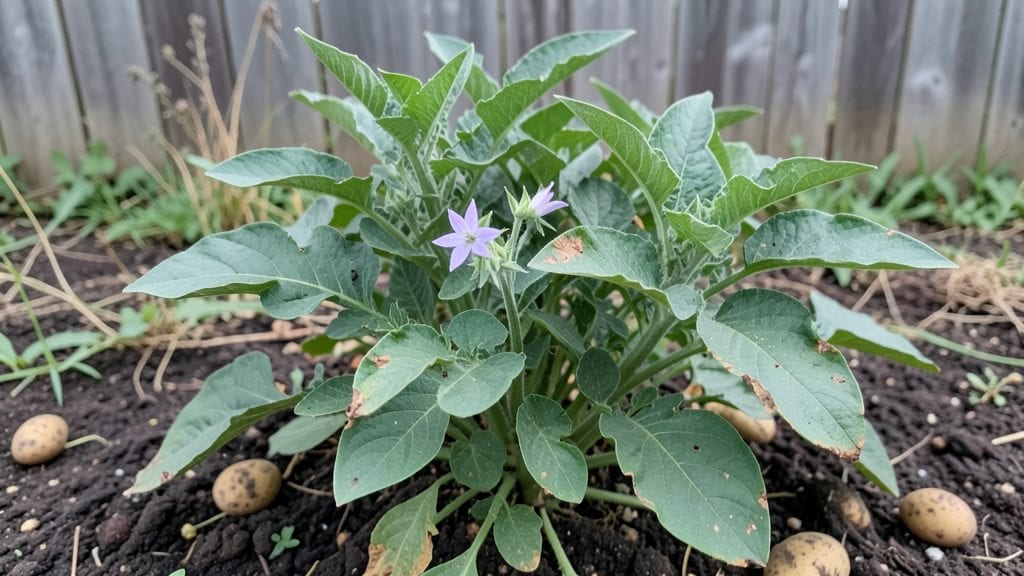
Growing Yukon Gold potatoes from seed isn’t just about digging holes—it’s about unlocking a harvest that tastes like summer even in shady spots. 🌱 I’ve grown these in partial shade for years, and the key lies in the right soil mix, timing, and patience for those deep roots to establish.
Most gardeners assume potatoes need full sun, but Yukon Golds surprise you with buttery tubers in dappled light too.
The secret starts with cold stratification—chilling your seed potatoes for 4-6 weeks before planting mimics winter’s natural signal to sprout. You’ll need loose, well-draining soil (think 60% sand or compost) mixed to 12-18 inches deep, since Yukon Golds send roots 3 feet down if given space.
In zones 3-7, plant 2-3 weeks after last frost when soil hits 45°F—earlier risks rot, later delays harvest.
By midsummer, you’ll see vines stretching 2 feet tall and purple flowers signaling tubers below. Water consistently (1-2 inches weekly) but avoid soggy soil—Yukon Golds hate wet feet. When foliage yellows in late summer, stop watering and let soil dry slightly before harvesting.
The first few tubers you pull will be golf-ball sized, but patience pays off with basket-sized harvests by fall.
This method works for containers (use 5-gallon pots) or in-ground beds, and even succession planting in warm zones. The biggest mistake? Planting too shallow—roots need room to grow, not crowd. With these steps, you’ll get creamy, waxy potatoes that outshine store-bought any day.
📚 In This Guide
- What you need
- Instructions
- Tips and common mistakes
- Wrapping up and next steps
What you need
- ● Yukon Gold potato seeds: 10–20 certified seed potatoes (1–2 oz each, with at least 2–3 "eyes" per tuber). Pro tip: 🌡️ Chit (pre-sprout) them indoors 4–6 weeks before planting!
- ● Growing containers or garden bed: Containers: 5-gallon buckets or fabric grow bags (1 per seed potato, with drainage holes).
- ● Garden bed: 12" deep soil, loamy and well-draining. Avoid soggy spots!
- ● Potting mix or garden soil: 50% compost + 50% peat-free potting mix (or store-bought "potato grow mix"). 💡 For containers, sterilize soil to prevent disease!
- ● Fertilizer: Balanced 10-10-10 or organic options like worm castings or compost tea.
- ● Mulch: Straw or grass clippings (2–3 inches) to retain moisture and regulate temperature.
- ● Garden twine + stakes (for trellising if growing vertically).
- ● Soil moisture meter (to avoid over/under-watering).
- ● Row covers (for early-season frost protection).
- ● Potato harvest tool (like a garden fork for delicate digging).
- ● Seed potato tray (for pre-sprouting).
Step-by-Step instructions for growing Yukon Gold seed in shade-tolerant gardens
Here’s how to cultivate these hardy, deep-rooted perennials with minimal fuss—ideal for shaded spots where most plants struggle.
🌱 Step 1: Prepare the Planting Site for Deep Roots
Yukon gold seed thrives when planted in well-draining soil with 6-12 inches of loose, organic-rich topsoil. Before planting, loosen the soil to a depth of 12 inches using a broadfork or tiller. This helps the deep taproots establish without resistance. Mix in 2-3 inches of compost (from your ingredients list) to improve fertility and moisture retention.
Test the soil’s moisture by squeezing a handful—it should feel damp but not soggy. If your soil drains poorly, amend with 1-2 inches of coarse sand or perlite to prevent waterlogging. Avoid compacted clay, which restricts root growth and leads to stunted plants. The goal is a crumbly, aerated bed that invites roots to explore downward.
🌱 Step 2: Sow Seeds at the Right Depth and Spacing
Scatter seeds ¼ inch deep in rows spaced 12-18 inches apart—this mimics their natural growth habit and prevents overcrowding as they mature. Yukon gold seed germinates best in consistent moisture, so water the soil thoroughly before sowing. I use a fine mist setting on my hose to avoid displacing seeds.
Lightly cover with a ⅛-inch layer of fine mulch (like the 2-3 inches of straw mulch from your list) to protect seeds from drying out. Place a small marker at each row’s end to track growth. Seeds typically sprout in 14-21 days at 60-70°F, but germination slows in cooler shade. Keep the soil evenly moist until seedlings reach 2 inches tall—this prevents leggy growth.
☀️ Step 3: Provide Indirect Light and Gradual Sun Exposure
Yukon gold seed tolerates shade but performs best with 4-6 hours of dappled sunlight daily. If planting in deep shade, supplement with a shade cloth (30-50% coverage) to prevent etiolation, where stems stretch weakly toward any available light. I position my plants near a north-facing window or under a deciduous tree for filtered light.
Once seedlings have 4-6 true leaves, gradually introduce more light over 1-2 weeks. Watch for yellowing lower leaves—this signals too much direct sun. Harden off seedlings by moving them to their permanent spot in partial shade, ensuring they adapt without shock. Mulch heavily (2-3 inches) to retain moisture and regulate soil temperature.
💧 Step 4: Water Deeply and Maintain Soil Moisture
Deep-water once weekly during dry spells, applying 1-1.5 gallons per plant to encourage roots to grow downward. Let the top 2 inches of soil dry between waterings—this prevents fungal issues while keeping roots hydrated. I water in the early morning to reduce evaporation and fungal risks.
Mulch annually with 2-3 inches of straw or wood chips (from your list) to suppress weeds and retain moisture. Over time, the mulch breaks down, enriching the soil naturally. Avoid overwatering—soggy conditions invite rot, especially in dense shade where airflow is limited. A soil probe helps gauge moisture levels without guesswork.
✂️ Step 5: Prune and Divide for Long-Term Health
In early spring, trim back dead or yellowed foliage to 4-6 inches above the ground, promoting fresh growth. Yukon gold seed spreads slowly but benefits from division every 3-4 years to rejuvenate clumps. Dig up the entire plant, separate the roots with a sharp knife, and replant divisions 12 inches apart in fresh soil.
This perennial thrives with minimal intervention, but I deadhead spent blooms in late summer to redirect energy into root development. By fall, the deep taproots store nutrients, ensuring robust regrowth next season. With proper spacing and moisture, your Yukon gold seed will naturalize over time, creating a low-maintenance, shade-loving groundcover.
Tips & tricks for perfect Yukon Gold seed growth in shade
Mastering these deep-rooted perennials in shaded gardens takes strategy—not luck. Here’s how to turn potential challenges into thriving plants.
Soil Preparation Secret: In Step 1, when loosening soil to 12 inches, focus on breaking up any dense layers—especially if your site has compacted clay. I use a broadfork to create vertical channels that guide those taproots downward. The 2-3 inches of compost should be mixed thoroughly; cold spots from clumped compost can slow root development. Test your soil’s drainage by filling a can with water—if it drains in under 30 minutes, you’re good to go.
Germination Timing: The 14-21 day germination window in Step 2 can feel like forever, but consistency is key. I set a reminder to check soil moisture daily during this period—especially in cooler shade where evaporation slows. If your seeds aren’t sprouting after 21 days at 60-70°F, gently scratch the soil surface to see if seeds were displaced during watering. A heat mat (70°F) can speed germination by 3-5 days if your climate runs cool.
Light Management: For Step 3’s 4-6 hours of dappled sunlight, think of it as a balance: too little light leads to weak stems, while sudden exposure causes yellowing. I start seedlings under 30% shade cloth for the first week, then gradually reduce coverage by 10% weekly. Watch for leaves that cup upward—this signals insufficient light. A north-facing window provides ideal filtered light for indoor starts before transplanting.
Watering Wisdom: The 1-1.5 gallons per plant in Step 4 might seem excessive, but it’s essential for encouraging those deep taproots. I use a soaker hose to deliver water slowly at the base, avoiding wet foliage that invites fungal issues. In dense shade, check moisture at 2 inches deep—if it’s dry, water again. Mulching with 2-3 inches of straw creates a moisture reservoir while suppressing weeds that compete for water.
Pro Tips for Yukon Gold Seed
- Mastering these deep-rooted perennials in shaded gardens takes strategy—not luck.
- Soil Preparation Secret: In Step 1, when loosening soil to 12 inches, focus on breaking up any dense layers—especially if your site has compacted clay.
- Germination Timing: The 14-21 day germination window in Step 2 can feel like forever, but consistency is key.
Frequently asked questions
Got questions about growing Yukon Gold potatoes from seed? You’re not alone!
Here are answers to the most common queries to help you cultivate thriving, shade-tolerant perennials with confidence.
How long does it take for Yukon Gold seed potatoes to sprout?
With proper care, Yukon Gold seed potatoes typically sprout within 2–4 weeks after planting. Keep them in a warm, dark place (like a sunny windowsill or basement) until you see green shoots 2–3 inches tall. Once sprouted, they’re ready to harden off before transplanting outdoors.
Can I plant Yukon Gold seed potatoes too early in the season?
Yes, but with caution! Yukon Golds are cold-hardy, but wait until soil reaches 45°F (7°C) to avoid stunted growth. If frost threatens, use row covers or black plastic mulch to protect young plants. Early planting can extend your harvest, but timing depends on your local frost date.
What’s the best alternative if I don’t have Yukon Gold seed potatoes?
If Yukon Gold seeds are unavailable, try other cold-hardy, seed-grown varieties like:
- Red Pontiac – Disease-resistant and great for containers.
- Kennebec – Classic all-purpose with high yield.
- Adirondack Blue – Unique purple skin and cold tolerance.
Why aren’t my Yukon Gold seed potatoes sprouting?
Common culprits include:
- Dormant seeds: Chill them in the fridge for 4–6 weeks to break dormancy.
- Rot or mold: Ensure seeds are firm and dry before planting.
- Poor moisture/temp: Keep soil consistently moist (not soggy) at 60–70°F (15–21°C).
Do Yukon Gold seed potatoes need full sun?
While they thrive in full sun (6+ hours/day), Yukon Golds are moderately shade-tolerant—ideal for gardens with 4–6 hours of partial shade. For shade gardens, prioritize:
Yields may be slightly lower in deep shade, but flavor stays excellent!
Wrapping up and next steps
Growing Yukon Gold seed is a rewarding journey that brings beauty and resilience to your shade-tolerant garden! 🌱 With the right soil, patience, and care, these deep-rooted perennials will thrive, offering lush foliage and stunning blooms year after year.
Whether you're a seasoned gardener or just starting out, every seed planted today is a step toward a greener tomorrow.
Ready to take the next step? Start by sketching your garden layout—mark where you’ll plant your Yukon Gold seeds—and gather your supplies. Then, dive in and watch your garden transform! 🌟