
Flowers
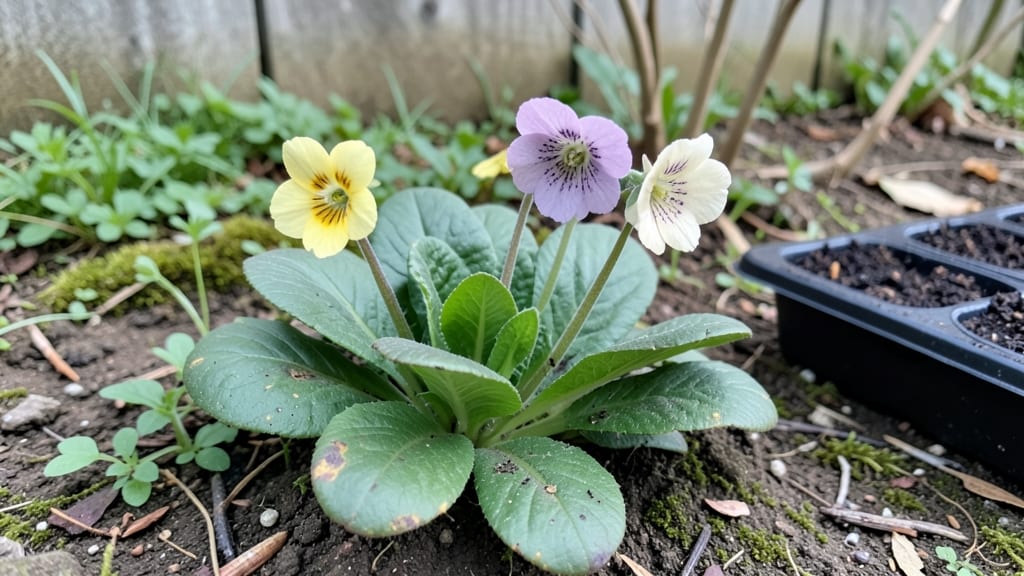
Growing primula flower seeds brings bold, jewel-toned blooms to your garden with almost no effort—just the right timing and a little patience. 💚 I’ve grown these cheerful flowers for years, and they’ve become my go-to for early spring color that lasts well into summer.
The secret isn’t complicated: primulas thrive in cool weather and love moisture, so they practically grow themselves once you get the basics right.
You’ll need a few simple supplies: seed-starting mix, small pots or trays, and a sunny windowsill or grow light. Primula seeds are tiny, so don’t worry if they look like dust—just scatter them lightly on top of the soil and press them in gently.
These flowers germinate best when kept consistently cool (around 60°F) and moist, which means no heat mats or warm spots. Within 2-4 weeks, you’ll see those first tiny leaves pushing through the soil.
Once seedlings sprout, you’ll watch them transform into sturdy, compact plants with glossy leaves. Primulas love partial shade, so they’re perfect for under trees or along shady borders where other flowers struggle.
With regular watering and a light fertilizer every few weeks, they’ll reward you with clusters of vibrant blooms that last for months. The best part? They self-seed easily, so you’ll have new volunteers popping up year after year.
Whether you’re sowing in early spring for summer blooms or starting them indoors in late winter, primulas adapt well to different climates. Just avoid letting the soil dry out, and you’ll have a showstopper garden display that keeps giving. Ready to add some effortless color to your space?
📚 In This Guide
- What you need
- Instructions
- Tips and common mistakes
- Wrapping up and next steps
What you need
- ● Primula flower seeds: Choose high-quality, organic or heirloom seeds (e.g., Primula vulgaris, Primula denticulata, or Primula obconica). Buy 50–100 seeds for a small patch or 200+ seeds for a full bed.
- ● Seed-starting mix: A lightweight, sterile potting mix (e.g., Pro-Mix or coco coir) to prevent damping-off. 1–2 cubic feet is ideal for indoor sowing.
- ● Containers: For indoor starts: 4–6-inch seed trays or biodegradable peat pots (10–20 pots).
- ● For direct sowing: A prepared garden bed or shallow trays with drainage.
- ● Grow lights or sunny windowsill: Primula seeds need bright, indirect light (12–16 hours/day) for germination. A full-spectrum LED grow light works best if natural light is limited.
- ● Spray bottle: For gentle watering to avoid displacing seeds.
- ● Fine-mesh sieve: Helps sift seed-starting mix evenly over seeds.
- ○ Humidity dome or plastic wrap: Creates a mini greenhouse to retain moisture (optional but helpful for slow germinators).
- ○ Thermometer: Primula seeds germinate best at 60–65°F (15–18°C). A seedling heat mat (optional) can help in cooler climates.
- ● Garden gloves: Protects hands from fine seed dust and soil.
- ● Trowel or small shovel: For transplanting seedlings outdoors.
- ● Timing: Sow seeds 8–10 weeks before your last frost date for indoor starts or directly in fall or early spring for outdoor planting.
- ● Location: Primula thrives in partial shade (3–6 hours of sunlight daily). Avoid harsh afternoon sun.
- ● Well-draining soil with pH 6.0–7.0 (test soil with a pH kit if unsure).
- ● Watering routine: Keep soil consistently moist (not soggy) until germination. After sprouting, water at the base to avoid fungal issues.
- ● Patience: Germination can take 2–4 weeks—stay consistent with care!
Step-by-step instructions for growing primula flower seeds
Here’s how to coax vibrant primulas from tiny seeds—no greenhouse needed!
🌱 Step 1: Prepare Your Seed-Starting Mix and Containers
Primula seeds need a light, airy mix to prevent damping-off. Fill your 4-inch seed trays with 2 cups of sterile seed-starting mix—I like to blend it with ¼ cup perlite for extra drainage. Press the mix down gently so it’s firm but not compacted. The goal is a fluffy surface where seeds can nestle without sinking too deep.
Moisten the mix with lukewarm water until it’s damp like a wrung-out sponge. Avoid soaking it—primula seeds rot if they’re waterlogged. Tap the tray lightly to settle the soil, then smooth the surface with your fingers. You’re aiming for a texture that holds shape when touched but still lets air circulate.
🌱 Step 2: Sow Seeds for Maximum Germination
Scatter the 100 primula seeds evenly across the tray—don’t worry about spacing yet. Primula seeds are tiny, so I use a toothpick to spread them without clumping. Press them just into the surface; they don’t need covering. A light mist with a spray bottle keeps them in place while maintaining moisture.
Here’s the thing—primula seeds need coolth to germinate. Place the tray in a 50–55°F spot (a fridge’s crisper drawer works!). Cover it loosely with plastic wrap to trap humidity, but prop it open slightly to prevent mold. Check daily for condensation—wipe it off if you see droplets. Germination takes 3–6 weeks, so patience is key!
☀️ Step 3: Move Seedlings to Light and Care for Them
Once you see tiny green cotyledons (those first leaves), remove the plastic and move the tray to bright, indirect light. Primulas hate direct sun—it scorches their delicate leaves. A north-facing window or grow light 6 inches above the tray is perfect. You’ll know they’re getting enough light when the leaves stay deep green and compact (not stretching toward the window).
Water from the bottom now: Place the tray in a shallow dish of ½ inch of water for 10 minutes. This prevents disturbing the roots. Keep the soil evenly moist but never soggy—primulas wilt fast if they dry out. After 4–6 weeks, when seedlings have 2 sets of true leaves, it’s time to thin!
✂️ Step 4: Thin and Transplant for Stronger Plants
Use clean scissors to snip excess seedlings at soil level, leaving the strongest 3–4 per cell. Handle them gently—primulas are tender! Repot the survivors into individual 3-inch pots with the same light mix. Press the soil around the roots to eliminate air pockets, then water lightly. This step prevents overcrowding, which invites fungal diseases.
After transplanting, keep them in moderate light (no direct sun yet) and water when the top inch feels dry. Primulas grow slowly at first, but once they’re established, they’ll reward you with bold blooms in just 8–12 weeks—even in winter! The key is consistency: cool roots, bright indirect light, and patience.
Tips & tricks for perfect primula flower seedlings
Growing primula from seeds is a rewarding journey—here’s how to avoid common pitfalls and maximize your success!
The Coolth Factor: Primula seeds need that 50–55°F temperature for germination, but consistency is everything. I keep my seed tray in a fridge crisper drawer during the day and move it to a slightly warmer spot at night. This mimics natural temperature fluctuations and speeds up germination. If your home stays above 60°F, consider using a seedling heat mat set to 55°F—it’s a game-changer for stubborn seeds!
Lighting Secrets: Once those first leaves appear, position your seedlings within 6 inches of a grow light for 12–14 hours daily. I use a simple LED bulb on a timer to avoid stretching. Watch for leaves that look pale or elongated—they’re begging for more light! A north-facing window works too, but supplement on cloudy days. Direct sun is the enemy—it burns those delicate leaves faster than you can say "damping-off."
Watering Wisdom: That 10-minute bottom-watering trick in Step 3 is non-negotiable. I fill a shallow tray with ½ inch of water and let the tray soak up moisture from below. This prevents disturbing the roots and keeps the soil evenly moist without soggy spots. After transplanting, I switch to the "top inch dry" method—primulas hate wet feet but need consistent moisture. A spray bottle with lukewarm water works great for misting between waterings.
Thinning Strategy: When it’s time to thin to 3–4 strongest seedlings per cell, I use sterilized scissors to snip at soil level. The key is speed—handle each seedling gently but firmly. I’ve found that transplanting the survivors into 3-inch pots with the same light mix gives them a stronger start. Press the soil firmly around the roots to eliminate air pockets, then water lightly. This step might seem harsh, but it prevents overcrowding and fungal diseases that can wipe out your whole batch!
Pro Tips for Primula Flower Seeds
- Growing primula from seeds is a rewarding journey—here’s how to avoid common pitfalls and maximize your success!
- The Coolth Factor: Primula seeds need that 50–55°F temperature for germination, but consistency is everything.
- Lighting Secrets: Once those first leaves appear, position your seedlings within 6 inches of a grow light for 12–14 hours daily.
Frequently asked questions
Got questions about growing primula flower seeds? You’re not alone! Here are some of the most common queries—plus quick, actionable answers to help you succeed.
When is the best time to plant primula flower seeds?
Primula seeds thrive in cool weather, so aim to sow them 8–12 weeks before the last frost in spring or late summer to early fall for winter blooms. If starting indoors, use a seed-starting mix and keep temperatures around 60–65°F (15–18°C) for optimal germination. Pro tip: Avoid planting in scorching heat—primulas hate soggy roots but also struggle in dry, hot soil.
How long does it take for primula seeds to germinate?
Germination can take 2–4 weeks (sometimes longer!) because primula seeds need consistent moisture and cool temps to sprout. Use a humidity dome or plastic wrap to retain moisture, and avoid disturbing the soil. Patience is key! If nothing emerges after 6 weeks, check for mold or overwatering—primula seeds may rot if conditions are too damp.
Can I grow primula flowers from seeds bought online, or should I buy plants?
Online primula seeds are a budget-friendly and rewarding option—just choose reputable sellers offering fresh, high-quality seeds (look for hybrid varieties like Primula denticulata or Primula veris). If you’re impatient, nursery plants will bloom faster, but seeds let you experiment with colors and grow rare cultivars. Bonus: Seed-grown primulas often develop unique traits!
Why aren’t my primula seeds sprouting? Troubleshooting tips.
Primula seeds are fussy—here’s a quick fix guide:
Too warm? Move to a cooler spot (<65°F/18°C).
Too dry? Mist the soil daily or use a spray bottle.
Moldy or crusty? Reduce watering and improve airflow.
Old seeds? Primula seeds lose viability after 1–2 years—check the pack date!
Still stuck? Try a light scarification (lightly nicking the seed coat) to help water penetrate.Do primula flowers come back every year, or are they annuals?
Most primulas are perennials (returning yearly), but some varieties (like Primula obconica) may act as short-lived perennials or annuals depending on climate. To encourage regrowth, deadhead spent blooms and mulch in winter. If your primulas disappear, they might be dormant—wait until spring before declaring them gone!
Wrapping up and next steps
Growing primula flower seeds is your ticket to a vibrant, low-maintenance garden that blooms almost year-round—whether in sunny patches, shady corners, or even containers! 🌸 With the right soil, patience, and a little care, you’ll enjoy their cheerful colors from early spring through late fall.
Now that you’re armed with tips and answers to common questions, why not take the first step?
🌱 Your Next Step: Plant Those Seeds!
Start small—grab a packet of primula seeds, pick your favorite spot, and dive in! Whether you’re a seasoned gardener or a beginner, these resilient flowers will reward your efforts with stunning blooms. Happy planting—your garden (and future pollinators!) will thank you. 😊