
Lawn
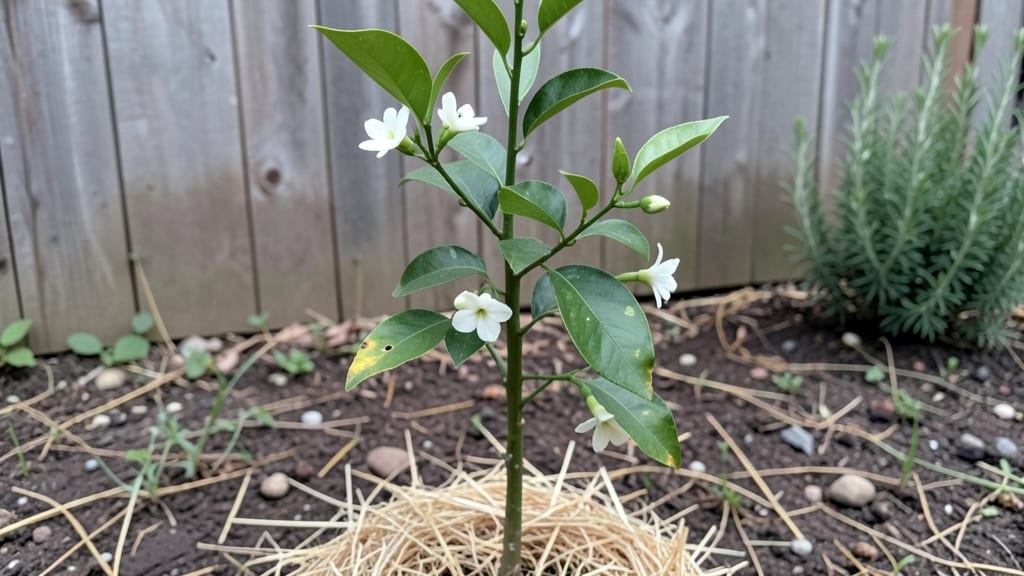
Watching the lemon seed growth unfold is pure magic—just three months turns your kitchen into a sun-drenched citrus wonder, though the real reward takes years. 🌱 I’ve seen a scraggly sprout turn into a lush, leafy tree, and the process is simpler than you’d think. than you’d think, even if fruiting takes patience.
The key is warmth, moisture, and a little trickery with the seed. Soak it overnight, plant it shallow in damp potting mix, and keep it cozy under a heat mat or sunny windowsill.
Most seeds sprout in 2-4 weeks, but if yours takes longer, don’t panic—just stay consistent with water and warmth.
By month three, you’ll have a sturdy seedling with glossy leaves, ready to graduate from its tiny pot. It’ll need bright light, occasional watering (let the top inch dry out), and a winter break from cold drafts.
The first few years are all about growth, not lemons—think of it as raising a citrus kid.
For faster fruit, grafting is the shortcut, but growing from seed gives you that raw, rewarding connection to the tree’s journey. Whether you stick with seeds or explore grafting later, this is where the adventure begins.
📚 In This Guide
- What you need
- Instructions
- Tips and common mistakes
- Wrapping up and next steps
What you need
- ● Lemon seeds: 3–5 fresh, plump seeds (harvested from organic lemons for best results).
- ● Seed-starting mix: 1 small bag (5–10 quarts) of sterile, well-draining potting soil (look for a blend labeled for seedlings or succulents).
- ● Small pots or containers: 3–5 biodegradable pots (3–4 inches wide) or plastic cups with drainage holes, or a seed tray with individual cells.
- ● Watering can or spray bottle: With a fine mist nozzle for gentle hydration.
- ○ Clear plastic wrap or humidity dome: To create a mini greenhouse effect (optional but helpful for germination).
- ● Grow lights or sunny windowsill: A south-facing window or a 12–16-inch LED grow light (if natural light is limited).
- ● Tweezers or toothpick: For carefully placing seeds in the soil.
- ● Small hand shovel or spoon: To avoid disturbing seeds while planting.
- ○ Fertilizer (optional): A balanced, water-soluble fertilizer (5-5-5 NPK ratio) for seedlings once they sprout.
- ○ Humidity tray (optional): A shallow tray filled with pebbles and water to boost moisture levels.
- ● Labeled markers or sticky notes: To track seed varieties and planting dates.
Step-by-Step instructions for growing a lemon tree from seed
Here’s how to turn a tiny lemon seed into a thriving citrus tree in just three months.
🌱 Step 1: Extract and Soak the Seeds
Start by carefully removing the seeds from a fresh lemon—wash them well to remove any pulp, which can rot. Place the seeds in a small bowl and cover them with lukewarm water for 12-24 hours. This softens the outer shell, helping the seedling break through faster. I like to use a mesh strainer to keep them submerged without overcrowding.
After soaking, drain the water and let the seeds air-dry on a paper towel for 30 minutes. This prevents mold from forming when you plant them. You’ll know they’re ready when the outer coating looks slightly wrinkled but still moist—like a damp sponge.
🪴 Step 2: Plant in Well-Draining Soil
Fill a 4-inch pot with moistened potting mix (avoid garden soil—it’s too dense). Make a small hole in the center, about ½ inch deep, and place one seed inside. Cover it lightly with soil, pressing down just enough to secure it. Use two seeds per pot if you want a backup—just thin to the strongest sprout later.
Water gently until the soil feels damp 1 inch deep. Place the pot in a warm spot (70-75°F) with bright, indirect light. A sunny windowsill works, but avoid direct midday sun, which can dry out the soil too quickly. You’ll see tiny sprouts in 7-14 days—patience is key here.
☀️ Step 3: Provide Consistent Light and Humidity
Once the first true leaves appear (not the initial seed leaves), move the pot to a south-facing window or under a grow light for 12-14 hours daily. Lemon trees need plenty of light to grow strong, but too much sun too soon can scorch young leaves. Rotate the pot quarter-turn weekly so the plant grows straight.
Keep the soil evenly moist—not soggy, not dry. Stick your finger in the soil; if the top ½ inch feels dry, water lightly. Mist the leaves 2-3 times a week to maintain humidity, especially if your home is dry. You’ll notice new leaves emerging every 2-3 weeks—that’s your sign it’s thriving.
✂️ Step 4: Prune and Repot for Growth
When the seedling reaches 6 inches tall, trim the top set of leaves to encourage bushier growth. Use clean scissors to snip just above a leaf node (where leaves meet the stem). This redirects energy to side branches, making your tree fuller. I do this every 4-6 weeks to keep the shape balanced.
After 3 months, if the roots are circling the pot, repot into a 6-inch container with fresh potting mix. Gently loosen the roots before transferring to avoid shocking the plant. Water thoroughly after repotting, and place it back in bright light. You’ll see new growth within 2-3 weeks—proof it’s adapting well.
💧 Step 5: Transition to Outdoor Conditions
Once the tree has 4-5 sets of leaves, it’s ready for outdoor acclimation. Place it outside in partial shade for 2-3 hours the first day, then gradually increase exposure over 10 days. Full sun is best, but sudden heat can stress young plants. Watch for yellowing leaves—this means it’s getting too much sun too fast.
Water deeply once a week, letting the soil dry slightly between waterings. Lemon trees love moisture but hate soggy roots. By 6 months, with proper care, you’ll have a sturdy young tree ready for a permanent home in a larger pot or garden bed.
Tips & tricks for lemon seed growth
Here's what I learned after growing several lemon trees from seed—these tricks make all the difference between a thriving plant and a sad, stunted sapling.
Soaking Secret: The 12-24 hour soak isn't just about softening the seed shell—it's also a great time to check for mold. If you see any fuzzy growth or strange smells after soaking, rinse the seeds again before planting. I've ruined multiple batches by skipping this step, so don't make my mistake! After soaking, that 30-minute air-dry is crucial. The seeds should feel damp but not wet—like a wrung-out sponge. This prevents mold in the soil later.
Lighting Strategy: In Step 3, when you're providing 12-14 hours of light daily, don't underestimate the importance of that south-facing window. If your home doesn't get enough natural light, invest in a simple grow light—it's worth it. I've seen seedlings stretch painfully toward weak light sources, creating those leggy, weak plants that never recover. Rotate your pot weekly as instructed, but also rotate it daily if you notice uneven growth toward one side.
Pruning Technique: When your seedling hits 6 inches in Step 4, pruning might seem scary, but it's actually the best way to create a fuller tree. Use sharp, clean scissors and make your cut just above a leaf node—this is where new branches will sprout. I like to make my first pruning cut about 1/3 of the way down the stem. This encourages branching lower on the plant, which gives you more fruit-bearing potential later. Don't be afraid to prune—it's how you shape your tree's future!
Outdoor Transition: That gradual 10-day outdoor acclimation in Step 5 is where most people fail. I've seen beautiful indoor plants wilt dramatically when moved too quickly to full sun. Start with just 2-3 hours of partial shade on day one, then increase by 1-2 hours each subsequent day. Watch for yellowing leaves—they're your plant's way of saying "too much sun!" If you see this, move it back to partial shade immediately. The goal is to let your tree adjust to outdoor conditions without shock.
Pro Tips for Lemon Seed Growth
- Here's what I learned after growing several lemon trees from seed—these tricks make all the difference between a thriving plant and a sad, stunted sapling.
- Soaking Secret: The 12-24 hour soak isn't just about softening the seed shell—it's also a great time to check for mold.
- Lighting Strategy: In Step 3, when you're providing 12-14 hours of light daily, don't underestimate the importance of that south-facing window.
Frequently asked questions
Got questions about growing a lemon tree from seed? You’re not alone! Here are answers to the most common queries to help you nurture your citrus dream from start to finish.
How long does it take for lemon seeds to germinate?
Lemon seeds typically sprout within 2–4 weeks if kept in warm (70–85°F), moist conditions. Patience is key—some stubborn seeds may take up to 6 weeks. Use a heat mat or sunny windowsill to speed things up!
Can I grow a lemon tree indoors, or does it need outdoor sunlight?
Yes! Start indoors near a south-facing window or under grow lights. Once seedlings are 6+ inches tall, transition them outdoors for 6+ hours of sunlight daily. Young trees thrive in pots before planting outside in warmer climates (zones 9–11).
Will my lemon seed tree bear fruit, or is it just for decoration?
Seed-grown lemon trees are not true to type—they may produce small, tart, or even seedless lemons, but fruit quality varies. For reliable, sweet lemons, grafted trees are better. Still, the journey (and occasional fruit!) is worth it for citrus lovers!
My lemon seedling leaves are yellowing—what’s wrong?
Yellow leaves often signal overwatering or nutrient deficiency. Let the soil dry slightly between waterings and fertilize lightly with citrus-specific food every 2 months. Check for pests (like aphids) and ensure proper drainage—your tree’s roots need air too!
Are there faster-growing alternatives to lemon seeds?
If you’re impatient, try grafted lemon trees (available at nurseries) or meyer lemon cuttings—they grow faster and fruit sooner. For seeds, lime or orange seeds often germinate quicker than lemons. But the seed method is a rewarding challenge!
Wrapping up and next steps
Growing a lemon tree from seed is a rewarding journey that blends patience with the joy of nurturing life!
With the right materials, a little care, and consistent attention, you’ll witness your tiny seed transform into a thriving citrus sapling in just three months. 🌱✨ Whether you’re a beginner or a seasoned gardener, this process is a testament to nature’s resilience—and yours!
Ready to take the next step? Plant your seeds today and watch your sunny citrus dream grow! For extra tips, explore our gardening resources or share your progress with fellow plant enthusiasts. Happy growing! 🌿💛