
Lawn
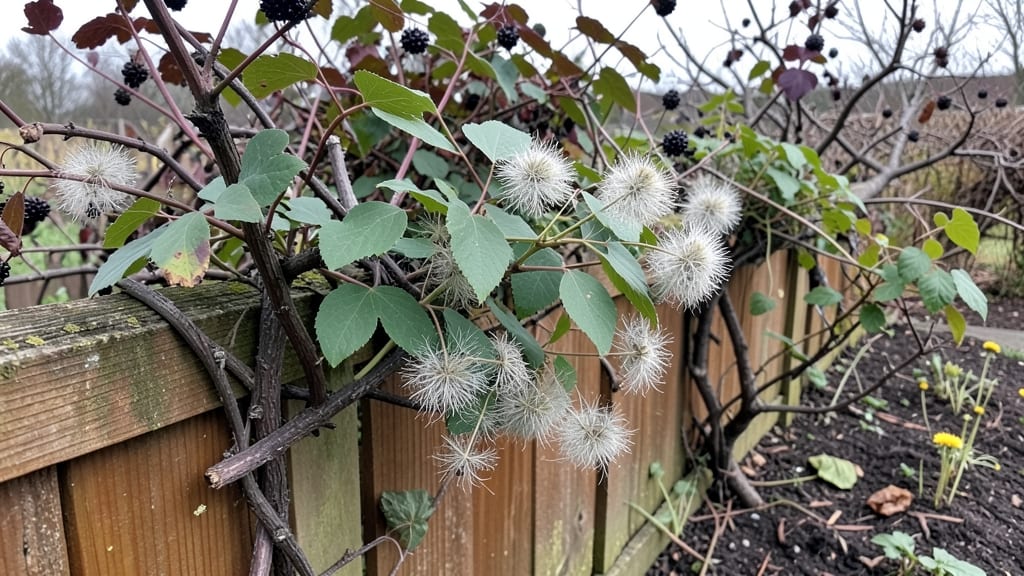
Clearing dried seed pods from your lawn efficiently means using a rake, leaf blower, or garden bag to collect them, with late fall or early spring being the best times to tackle this task before new growth emerges. Skipping this step can spread seeds and clog your mower.
Those woody seed pods from plants like milkweed or thistle can turn your lawn into a messy tangle if left unchecked. 🌿 The key is timing—removing them before they release new seeds in spring prevents future invasions, while dormant plants make cleanup easier.
I’ve found that a stiff-bristled rake works best for stubborn pods, but a leaf blower saves time on larger areas. Just be sure to dispose of collected pods properly to avoid accidental replanting elsewhere in your yard.
For extra stubborn cases, like prickly pods from cocklebur, I recommend wearing gloves and using a small hand rake to avoid skin irritation. 💛 The goal is to remove as many pods as possible in one go, reducing the chance of them breaking open and scattering seeds during mowing season.
This method keeps your lawn looking tidy while protecting your equipment from damage.
💡 In This Article
- Best Seasonal Timing for Seed Pod Removal
- Effective Tools for Removing Seed Pods Safely
Best seasonal timing for seed pod removal
Late fall and early spring are the perfect windows for removing dried seed pods because plants are dormant, reducing the risk of accidental seed dispersal. During these seasons, plants like milkweed and thistle have already released most of their seeds or are preparing to do so in spring.
Removing pods before new growth begins ensures you're interrupting the life cycle rather than encouraging it. The soil is also cooler and moister, making it easier to pull up any lingering roots.
Weather plays a critical role in pod behavior. In late fall, pods dry out completely in the crisp air, becoming brittle and easier to collect. A light frost can even help break them apart, making them less likely to scatter seeds when disturbed.
Conversely, spring's warmer temperatures and occasional rain can cause pods to swell slightly, making them stickier and more difficult to remove without crushing them. Timing your cleanup after a dry spell but before heavy rains gives you the best balance of dry, brittle pods and stable ground conditions.
The impact on your lawn's health is significant. Leaving seed pods to decompose over winter can create a thick, thatchy layer that smothers grass and prevents water penetration. This layer also provides shelter for pests and diseases that thrive in damp, shaded conditions.
By removing pods in late fall, you're preventing this buildup and giving your grass a clean start in spring. Additionally, you're protecting your lawn equipment - mowing over intact pods can clog your mower deck and damage the blades.
Consider regional climate variations when planning your timing. In warmer southern climates, late fall might mean November, while northern areas could extend into December. Early spring typically means February to early April, depending on your last frost date.
The key is to act before you see new shoots emerging from the pods. I've seen pods from common milkweed begin sprouting as early as mid-March in my zone 6 garden, so I always aim to finish cleanup by late February.
What most people don't realize is how quickly pods can regenerate. A single intact pod can release hundreds of seeds capable of germinating for years. For example, milkweed pods can remain viable for up to 5 years in ideal conditions.
This means one missed cleanup season could lead to a lawn full of these unwanted plants for half a decade. The effort you put in during these optimal seasons pays off in dramatically reduced maintenance work in future years.
For particularly problematic areas, consider a two-step approach: first remove the pods in late fall, then do a follow-up check in early spring before any new growth appears. This double protection gives you peace of mind that you've truly interrupted the seed cycle.
The extra effort might seem excessive, but it's far less work than dealing with a full-blown infestation later in the season when plants are actively growing and spreading.