Vegetables
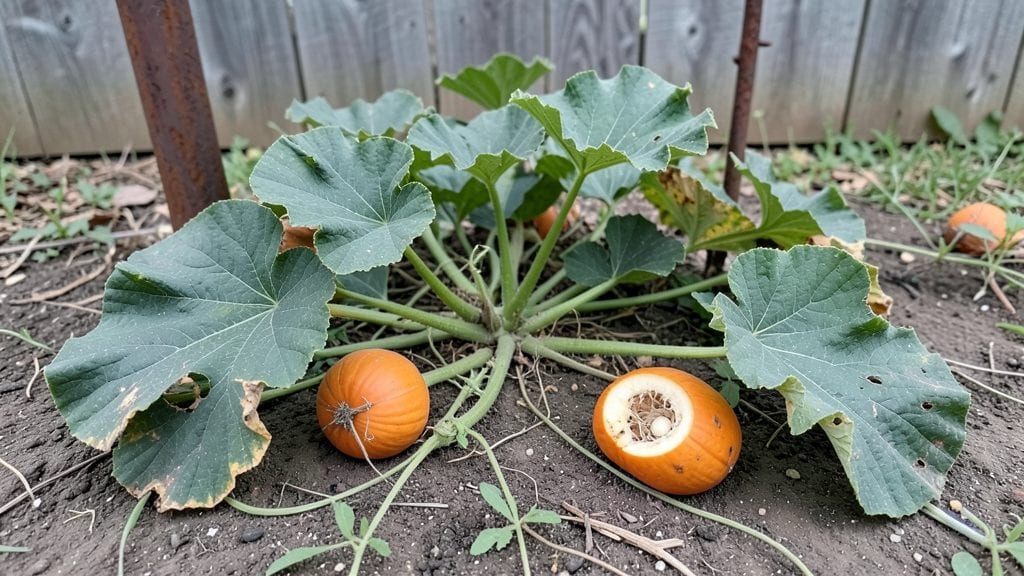
Yes, small pumpkins do have seeds—though their quantity and size differ dramatically from larger varieties. Miniature types like 'Jack Be Little' or 'Munchkin' produce fewer, larger seeds with a sweeter, denser surrounding flesh.
Small pumpkins may have fewer seeds, but what they lack in quantity, they often make up for in quality. 🌟 The seeds in tiny pumpkins tend to be more flavorful and easier to harvest, making them perfect for roasting or replanting.
Many gardeners prefer miniature varieties because their seeds are larger and less fibrous, which means they're simpler to extract and prepare. Plus, the reduced seed count means more edible flesh per pumpkin—ideal for baking or cooking.
The key difference lies in how these pumpkins allocate nutrients during growth. Smaller varieties focus energy on developing sweeter, denser flesh rather than producing as many seeds. This makes them a favorite for culinary use, especially in dishes where texture and flavor matter most.
💡 In This Article
- How Pumpkin Size Affects Seed Development
- Best Mini Pumpkin Varieties for Seed Harvesting
How pumpkin size affects seed development
Here's what's actually happening botanically: smaller pumpkins produce fewer seeds because their genetic makeup prioritizes compact growth over seed proliferation. These miniature varieties often carry dwarfing genes that limit vine length and fruit size, redirecting energy toward flesh development rather than reproductive structures.
For example, a 1-pound 'Jack Be Little' pumpkin might contain only 20-30 seeds compared to a 20-pound standard pumpkin with 500+ seeds. This isn't just about size—it's about evolutionary tradeoffs where survival favors sweet, dense flesh over seed quantity in small fruit.
The science gets even more interesting when you look at nutrient allocation. Larger pumpkins have the capacity to produce more flowers, which means more potential seeds through pollination. However, each flower requires significant energy—about 0.5-1 gram of carbohydrates per flower during development.
Mini pumpkins simply can't support as many flowers because their vines are shorter and their root systems are less extensive. This limits both the number of seeds and their development time, resulting in those larger, more flavorful seeds you find in small varieties. 🔥
Pollination efficiency also plays a critical role. While giant pumpkins rely on bees and other pollinators to service hundreds of flowers, small pumpkins often have fewer flowers that are easier for pollinators to access.
This targeted pollination leads to higher-quality seeds—larger, more uniform, and with thicker shells that resist cracking during roasting. The tradeoff? You're getting fewer seeds overall, but each one is more substantial and nutritious, with higher concentrations of protein and healthy fats compared to their smaller counterparts in giant pumpkins.
Consider the seed-to-flesh ratio as another key factor. In a miniature 'Munchkin' pumpkin (typically 2-3 pounds), seeds may make up only 5-10% of the total weight, while the same ratio in a 50-pound Atlantic Giant could reach 20-30%.
This means small pumpkins are essentially optimized for eating—their genetic structure sacrifices seed production for superior culinary quality. The flesh in these tiny varieties is often 20-30% denser than in larger pumpkins, with higher sugar content that caramelizes beautifully when baked.
There's also the physical space constraint to consider. The seed cavity in small pumpkins is proportionally smaller, limiting how many seeds can develop without crowding. When seeds grow too close together, they compete for nutrients, resulting in smaller, less viable seeds.
This is why the seeds in mini pumpkins are often 30-50% larger by volume than those in standard varieties—each seed gets more room to grow without competition. The result?
Seeds that are easier to shell, roast, and save for planting, with a richer, nuttier flavor profile that's highly prized by chefs and home cooks alike. ✨
What most people don't realize is how this affects seed viability. The larger seeds from small pumpkins have higher germination rates because they store more energy reserves.
A single seed from a 'Baby Boo' pumpkin might contain enough nutrients to support a young plant for its first 4-6 weeks of growth, compared to smaller seeds that require more precise planting conditions. This makes mini pumpkins particularly attractive to gardeners who want reliable, easy-to-grow plants from their seeds.