Lawn
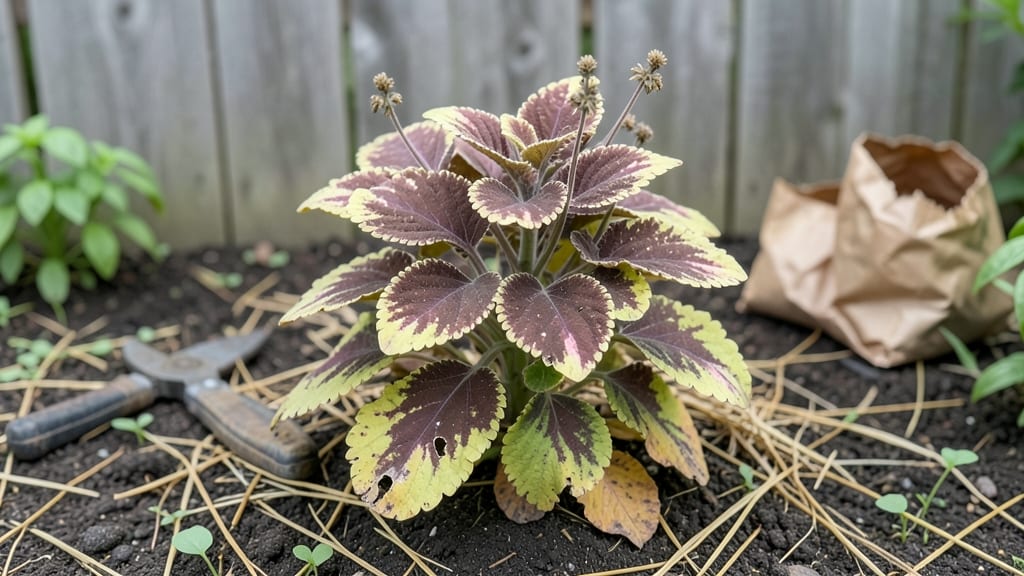
The thrill of coleus seed collection—preserving those stunning variegated patterns you love—though it’s not the usual way gardeners grow them. 🌿 I’ve tried it twice now, and while it’s not as reliable as cuttings, there’s something magical about watching those tiny seeds grow into plants with the same bold colors.
The key is knowing exactly when to harvest and how to handle the seeds afterward.
The process starts with mature coleus plants that have bloomed. You’ll need small bags for seed collection, a sharp pair of scissors, and a patient eye to spot the seed pods forming.
Most gardeners skip this step because coleus is typically grown from cuttings, but if you’re breeding new varieties or just curious, this is how you do it right. The seeds themselves are tiny and dark, so handling them carefully is a must.
Once collected, store the seeds in a cool, dry place until planting time. Germination rates aren’t high—expect maybe 20-30% success—but when they do sprout, you’ll get plants that might surprise you with even more vibrant patterns.
The real payoff is having a backup method for your favorite varieties, especially if you’re experimenting with colors or patterns.
Fair warning: this isn’t a foolproof method, and not all seeds will grow true to the parent plant. But if you’re willing to put in the extra effort, you’ll end up with a unique collection of coleus that’s all your own. Here’s how to make it work without the guesswork.
📚 In This Guide
- What you need
- Instructions
- Tips and common mistakes
- Wrapping up and next steps
What you need
- ● Mature coleus plants: Choose healthy, disease-free plants with fully developed flower spikes (preferably Coleus blumei varieties). Aim for 3–5 plants per desired color/variety for genetic diversity.
- ● Scissors or pruning shears: Sharp, clean tools to snip flower spikes (sterilize with rubbing alcohol if reusing).
- ● Paper bags or breathable seed envelopes: 4–6 brown paper lunch bags (or kraft paper envelopes) per plant to allow airflow and prevent mold.
- ● Drying surface: A clean, flat tray or mesh screen (e.g., a cooling rack) to spread seeds in a well-ventilated area.
- ● Labeling supplies: Waterproof labels or masking tape + permanent marker (write variety name, date, and location).
- ● Pencil or pen for quick notes on plant traits (e.g., leaf shape, color intensity).
- ● Seed storage containers: Air-tight glass jars (e.g., 4–8 oz mason jars) with desiccant packets (silica gel).
- ● OR resealable plastic bags with a small silica gel packet (remove excess air before sealing).
- ● Grow lights or sunny windowsill: For germinating seeds indoors (if you plan to propagate later).
- ● Humidity dome or plastic wrap: To create a mini greenhouse for seedling sprouts.
- ● Digital scale: To monitor seed moisture content (target 5–8% moisture for long-term storage).
- ● Notebook or seed-tracking app: To log germination rates, viability dates, and plant characteristics.
- ● Fine-mesh strainer: For separating seeds from chaff if hand-collection is messy.
Step-by-Step instructions for collecting coleus seeds
Preserving your favorite coleus varieties is easier than you think—just follow these simple steps.
🌿 Step 1: Select Healthy, Mature Plants
Choose the most vibrant, disease-free coleus plants in your collection—these will produce the best seeds. Look for plants with lush, undamaged foliage and strong stems. Avoid any with yellowing leaves, spots, or signs of pests, as these traits can carry over to the next generation.
I always pick plants that have been growing for at least 6-8 weeks in full sun. Mature coleus produce more seeds and stronger offspring. If your plants are leggy, pinch back the tips to encourage bushier growth before seed collection begins.
☀️ Step 2: Encourage Flowering and Seed Pod Formation
Coleus rarely flowers indoors, so move your selected plants outside to a sunny, sheltered spot for at least 4-6 weeks before flowering. A location with 6+ hours of direct sunlight daily triggers blooming. If your climate is too hot, provide afternoon shade to prevent leaf scorch.
Once flowers appear, watch for small green seed pods forming behind the blooms. These pods start as tiny bumps and grow into elongated capsules over 4-6 weeks. Don’t let them dry completely on the plant—harvest them when they turn light brown but are still slightly pliable.
🪴 Step 3: Harvest and Dry the Seed Pods
Gently twist or cut open the dried seed pods to release the tiny, papery seeds inside. Place them on a clean, dry paper towel and let them air-dry in a cool, dark place for 3-5 days. This prevents mold and ensures seed viability. I like to use a small envelope to catch any stray seeds that might flutter away.
Store the dried seeds in a paper envelope or small glass jar with the coleus variety name and harvest date written on it. Keep them in a cool, dry spot—a pantry or seed drawer works well. Properly stored, coleus seeds remain viable for 1-2 years, though germination rates drop after the first year.
🌱 Step 4: Test Germination Before Long-Term Storage
Before storing seeds long-term, test a few to confirm they’re viable. Plant 3-5 seeds in a small pot with moist potting mix and cover lightly with soil. Keep the pot in a warm, bright spot (70-75°F) and mist the soil to maintain moisture. Germination should start in 10-21 days.
If fewer than half the seeds sprout, your batch may have low viability. In that case, store the remaining seeds in the freezer for up to 5 years to extend their shelf life. Label the container clearly—freezer storage slows aging but doesn’t guarantee perfect germination after years.
Tips & tricks for perfect coleus seed collection
A few key strategies will help you maximize seed yield and viability from your coleus plants.
Plant Selection Matters: Look for coleus plants with the most vibrant foliage and strongest stems—these are your best seed producers. In Step 1, when choosing your plants, avoid any with yellowing leaves or spots, as these imperfections can carry over to the next generation. I've found that plants growing for exactly 6-8 weeks in full sun produce the most robust seed pods. If your plants are leggy, pinch back the tips about 2 weeks before moving them outside to encourage bushier growth that will support more flowers and seed pods.
Sunlight Strategy: For Step 2, the 4-6 weeks of full sun exposure is non-negotiable for flowering. If you're in a hot climate, I recommend moving plants to a spot with morning sun and afternoon shade to prevent leaf scorch while still getting that crucial 6+ hours of sunlight. You'll know you're on track when you see those tiny green seed pods forming behind the blooms—this is your signal that the process is working. Watch carefully, as these pods mature quickly over their 4-6 week development period.
Harvest Timing: The 3-5 day drying period in Step 3 is where many people go wrong. Harvest those light brown, slightly pliable seed pods immediately—they shouldn't be completely dry on the plant. Place them on a clean paper towel in a cool, dark spot to finish drying. I've learned the hard way that leaving them too long on the plant reduces seed viability. Once dried, store them in paper envelopes or small glass jars—glass preserves moisture better than plastic, which can cause condensation and mold over time.
Germination Test: Before committing to long-term storage, always test 3-5 seeds as described in Step 4. The 10-21 day germination window gives you valuable feedback about your seed quality. If fewer than half sprout, consider freezing the remaining seeds for up to 5 years—this dramatically extends their viability. I've had great success with this method, especially for rare varieties I want to preserve for future seasons.
Pro Tips for Coleus Seed Collection
- A few key strategies will help you maximize seed yield and viability from your coleus plants.
- Plant Selection Matters: Look for coleus plants with the most vibrant foliage and strongest stems—these are your best seed producers.
- Sunlight Strategy: For Step 2, the 4-6 weeks of full sun exposure is non-negotiable for flowering.
Frequently asked questions
Got questions about saving your coleus seed collection? You’re not alone! Here are answers to some of the most common queries—from timing to troubleshooting—to help you master the process.
When is the best time to collect coleus seeds?
Coleus seeds mature after flowering, typically in late summer to early fall (August–October in most climates). Wait until the seed pods turn brown and dry before harvesting—this ensures viability. Pro tip: If pods split open, collect seeds immediately to avoid scattering!
Can I grow coleus from seed, or do I need cuttings?
While coleus is easily propagated from cuttings, seeds are viable for preserving rare varieties. However, seed-grown plants may not retain exact parent traits (like variegation or color). For consistency, combine seeds for experimentation with cuttings for true-to-type propagation.
How long do coleus seeds stay viable?
Freshly collected coleus seeds remain viable for 1–2 years if stored properly (cool, dry, dark place). For longer-term storage, refrigerate in airtight containers with a desiccant packet (like silica gel). Warning: Older seeds may germinate slowly or poorly.
What if my coleus doesn’t flower?
Coleus often skips flowering indoors due to lack of sunlight or short days. Move plants to a bright, south-facing window or use grow lights. Outdoor plants in full sun usually flower reliably. Bonus: Pinch back leggy stems to encourage bushier growth and flowering!
Are there alternatives to collecting seeds?
Yes! If seed collection feels daunting, try:
- Leaf cuttings: Snip healthy leaves, dip in rooting hormone, and propagate in moist perlite.
- Division: Split mature plants into smaller sections with roots.
- Buy seeds online: Specialty nurseries offer heirloom coleus varieties.
Wrapping up and next steps
Collecting coleus seeds is a rewarding way to preserve your favorite varieties and ensure vibrant year-round growth! By following the right steps—like selecting healthy plants, harvesting mature seed pods, and storing seeds properly—you’ll keep your garden thriving with minimal effort.
Whether you’re a seasoned gardener or just starting, this process is totally doable and opens doors to endless color possibilities.
Ready to dive in? Start with just one variety this season, experiment with your collection, and share your successes (or lessons learned) with fellow plant enthusiasts. Happy gardening!