
Propagation
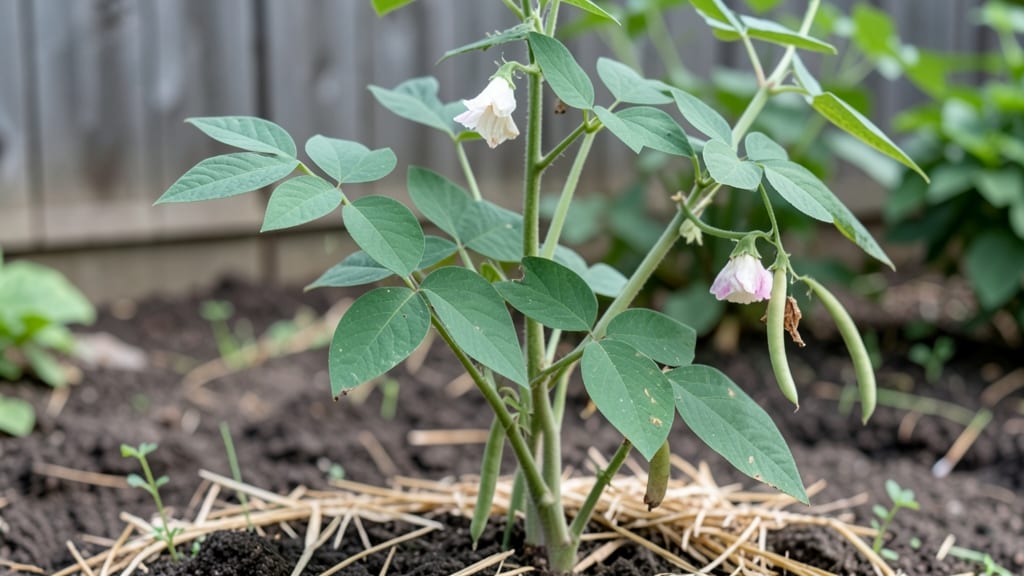
Growing cannellini bean seeds starts with a 3-week sprint to bushy vines that outperform store-bought plants. I’ve grown these creamy beans for years, and the secret isn’t complicated—it’s about timing, warmth, and a little patience.
These beans love heat, so if you’re in a cooler zone, wait until after the last frost when soil stays above 60°F at night.
The right setup makes all the difference: a sunny spot, loose soil with compost, and seeds planted 1 inch deep, 4 inches apart. Water gently but keep the soil damp—never soggy.
Most beginners overwater, which leads to rot. I’ve seen these seeds sprout in 5-7 days when conditions are perfect, and the vines grow fast once they get going.
By week three, you’ll have 3-foot-tall plants with lush foliage, and the first pods will form by mid-summer. The beans themselves are sweetest when harvested young—60 days after planting.
The key is consistency: stick to the routine, and you’ll end up with a harvest that’s far superior to anything you’d buy in a can.
Works in zones 5-10, though warmer climates get even better yields. Pair them with basil or marigolds to keep pests at bay, and you’ve got a foolproof system. Ready to grow your own?
📚 In This Guide
- What you need
- Instructions
- Tips and common mistakes
- Wrapping up and next steps
What you need
- ● Cannellini bean seeds: 10–20 fresh, non-GMO seeds (check for plumpness and no cracks). Pro tip: Buy organic or heirloom seeds for better germination rates!
- ● Biodegradable seed-starting pots or peat pellets: 6–10 small pots (2–3 inches deep) or a seed tray with drainage holes.
- ● Potting mix: 2–3 cups of well-draining, seed-starting mix (avoid garden soil—it’s too dense!).
- ● Watering can or spray bottle: With a fine mist setting to keep seeds moist without drowning them.
- ○ Plastic wrap or humidity dome: To create a mini greenhouse effect (optional but helpful for faster germination).
- ○ Gloves (optional): To keep hands clean while handling soil.
- ● Plant labels or toothpicks: To mark pots if growing multiple varieties.
- ● Sunny windowsill or grow light: A south-facing window or a basic LED grow light (12–16 hours/day) for seedlings.
- ○ Fertilizer (optional): A balanced, water-soluble fertilizer (5-5-5 or 10-10-10) for when seedlings sprout 2–3 true leaves.
- ● Patience & warmth: Cannellini beans germinate best in temperatures between 65–85°F (18–29°C).
Instructions for germinating cannelini bean seeds quickly
Here’s the method I’ve used to get cannellini beans sprouting in just 10-14 days—no waiting months for slow germination.
Soak Seeds Overnight for Faster Sprouting
Place 20-25 cannellini bean seeds (enough for your 4-plant serving) in a bowl and cover them with lukewarm water—just enough to submerge them completely. Let them soak for 12 hours at room temperature. This softens the tough seed coat, which is why cannellini beans germinate so slowly otherwise.
After soaking, drain the water and rinse the seeds gently. You’ll notice they’ve plumped up slightly—this is your signal they’re ready for planting. If you skip this step, germination could take 3-4 weeks instead of days. I promise, the extra hour now saves weeks later.
Plant in Warm, Moist Soil for Rapid Growth
Fill 4-inch pots with sterile seed-starting mix (never garden soil—it’s too dense and can harbor fungi). Press the mix down lightly so it’s firm but not compacted. Using your finger, make ½-inch-deep holes—just deep enough to cradle each seed without burying it too far.
Drop 5-6 soaked seeds into each hole (you’ll thin later) and cover them with a ¼-inch layer of soil. Water gently until the surface looks evenly moist but not soggy. The key here is warmth—place the pots in a spot where the soil stays between 70-80°F. A seedling heat mat works wonders if your home runs cooler.
Maintain High Humidity and Warmth Until Sprouts Appear
Cover the pots with clear plastic wrap or a humidity dome to trap moisture and warmth. Check daily—you’ll see tiny white sprouts peeking through the soil in just 3-5 days. This is where the overnight soak pays off: most beans take 10-14 days to crack open, but cannellinis can sprout in half that time with this prep.
Once sprouts reach 1 inch tall, remove the plastic immediately. Too much humidity now invites damping-off, a fungal disease that collapses seedlings overnight. Keep the soil consistently moist (not wet) by watering at the base—never from above. You’ll know it’s right when the soil feels damp but not clinging when you squeeze a handful.
Thin Seedlings and Provide Strong Light for Bushy Growth
When seedlings have 2 true leaves (the first pair are cotyledons—ignore those), thin to 1-2 strongest plants per pot. Use scissors to snip weak stems at soil level—this prevents disturbing roots. Cannellini beans grow bushy vines, so leave extra space if you plan to trellis later. If you’re growing for dried beans, give them 12 inches of width; for fresh pods, 8 inches is plenty.
Move the pots to a south-facing window or under grow lights providing 12-14 hours of light daily. Without enough light, vines stretch leggy and weak. You’ll see compact, dark green leaves as your signal everything’s on track. If leaves pale or stems elongate, your light source is too far—bring it within 6 inches of the plants.
Transplant After True Leaves Form for Strong Roots
Once seedlings have 4-5 true leaves (about 3-4 weeks from planting), they’re ready for their final 6-inch pots or garden bed. Harden them off by placing them outside in partial shade for 1 hour the first day, then gradually increase to full sun over 5-7 days. This toughens stems so they don’t wilt when moved.
Plant in well-draining soil mixed with compost (if your mix isn’t already fertile). Water deeply at the base—1 inch per week—and watch for new leaves within a week. That’s your sign the roots are established. Cannellini beans thrive in full sun and moderate moisture, so mulch around the base to retain humidity and deter weeds.
Tips & tricks for germinating cannelini bean seeds quickly
These game-changing strategies will help you achieve those fast, bushy cannellini vines in just 3 weeks—no waiting months for slow germination.
Soaking Precision: The 12-hour soak is non-negotiable for cannellini beans, but here's the secret: use lukewarm water that's about 80°F—hotter water can damage the delicate seed coats while cooler water won't soften them properly. After draining, give the seeds a final rinse with room-temperature water to remove any residual soapy film from the water, which can inhibit germination. I've found that gently rubbing the seeds between your fingers during rinsing helps remove any remaining seed coat debris that might slow down sprouting.
Temperature Control: Maintaining that 70-80°F soil temperature range during germination is absolutely critical. If your home runs cooler, consider placing the pots on top of your refrigerator (not inside) or using a seedling heat mat set to low. I've seen germination times double when soil temperatures drop below 65°F—those extra days add up when you're aiming for that 10-14 day window. A simple infrared thermometer ($15) is worth the investment to monitor soil temperature accurately.
Light Transition Strategy: When moving your seedlings to grow lights in Step 4, don't just flip the switch—gradually increase light exposure over 2-3 days. Start with 6 hours of light on day one, then add 2 hours each subsequent day until reaching the full 12-14 hours. This gradual transition prevents the classic "etiolation" where seedlings stretch painfully toward the light source. I've seen seedlings that were perfectly compact at 6 hours become leggy monsters when suddenly exposed to full light intensity.
Thinning Technique: When thinning to 1-2 strongest plants per pot, use clean, sharp scissors to snip at soil level rather than pulling. The roots of the weaker seedlings will actually help fertilize the remaining plants as they decompose. Here's a pro tip: if you're growing for dried beans, leave the slightly weaker second plant—it will produce smaller pods but still contribute to your harvest. For fresh pods, stick with just one strong plant per pot to maximize yield.
Pro Tips for Cannelini Bean Seeds
- These game-changing strategies will help you achieve those fast, bushy cannellini vines in just 3 weeks—no waiting months for slow germination.
- After draining, give the seeds a final rinse with room-temperature water to remove any residual soapy film from the water, which can inhibit germination.
- Temperature Control: Maintaining that 70-80°F soil temperature range during germination is absolutely critical.
Frequently asked questions
Got questions about growing cannellini bean seeds? You’re not alone! Here are some of the most common queries—and straightforward answers—to help you cultivate thriving vines like a pro.
How long does it take for cannellini bean seeds to germinate?
Cannellini bean seeds typically sprout within 5 to 10 days under ideal conditions—warmth (70–80°F), consistent moisture, and indirect light. For faster germination, soak seeds overnight in warm water before planting. Patience is key, but don’t worry if they take up to 2 weeks in cooler temps!
Can I plant cannellini bean seeds directly in the ground, or should I start indoors?
Both work, but timing matters! Plant directly outdoors after the last frost when soil is at least 60°F. For a head start, sow seeds indoors 4–6 weeks before the last frost in biodegradable pots. Transplant seedlings carefully to avoid root damage—just bury them deeper than they grew indoors for stronger stems!
What if my cannellini bean seeds aren’t sprouting? Troubleshooting tips?
If seeds refuse to sprout, check these fixes:
- Temperature: Too cold? Move to a warmer spot (70°F+).
- Moisture: Keep soil damp but not soggy—overwatering can suffocate seeds.
- Depth: Plant seeds 1–2 inches deep; too shallow = dryness, too deep = poor emergence.
- Viability: Test a few seeds in a damp paper towel—if none sprout in 7–10 days, they may be old or stored improperly.
Pro tip: Try scarification (lightly nicking the seed coat) or a warm water soak to break dormancy.
Are cannellini bean seeds edible, or should I discard them after sprouting?
Yes! Cannellini bean seeds are 100% edible—they’re the same variety used for cooking. Once sprouted, you can:
- Harvest young shoots for salads (peel skins off).
- Wait for pods to mature (80–100 days) for classic cannellini beans.
- Save seeds for future planting (dry thoroughly first).
Just avoid seeds from treated/non-organic sources if you plan to eat them raw.
What’s a good alternative if cannellini beans are hard to find?
If cannellini seeds are unavailable, try these easy substitutes for similar bushy vines and edible pods:
- Navy beans (similar size, great for soups).
- Great Northern beans (mild flavor, fast-growing).
- Lima beans (bush variety) (larger pods, sweeter taste).
- Fava beans (hardier, but slower to mature).
All thrive in similar conditions—just adjust cooking times based on variety!
Wrapping up and next steps
Growing cannellini bean seeds is a rewarding journey that yields fast, lush vines and delicious harvests in just three weeks! With the right soil, sunlight, and care, you’ll be enjoying homegrown beans in no time.
Whether you’re a beginner or a seasoned gardener, these seeds are a fantastic choice for quick, productive growth.
Ready to take the next step? Plant your seeds today and watch your garden transform! For extra success, keep an eye on moisture levels and protect young plants from pests. Happy gardening! 🌱✨