
Pruning
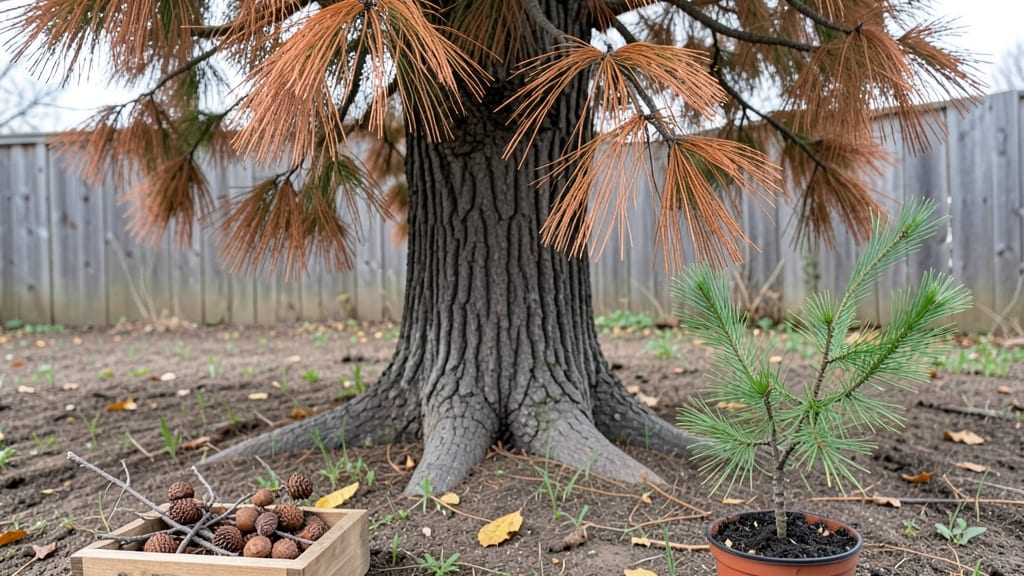
Growing bald cypress trees from seed starts with understanding their stubborn little secrets. 🌿 These seeds need a winter chill to wake up—something nature handles automatically, but we have to mimic in our garages or fridges.
The payoff? Watching those first pale green needles push through the soil after months of patience.
You’ll need a few simple supplies: a plastic bag, some damp peat moss or vermiculite, and a little time. Collect seeds in late fall when the cones turn brown and release their winged treasures.
The stratification process itself takes about 90 days—just store them in a cold, moist environment until they sprout. No fancy equipment, just a little planning.
Once those seeds germinate, you’ll transplant them into well-draining soil and keep it consistently moist but not soggy. Bald cypress thrive in full sun and wet feet—perfect for swamps or rain gardens.
Within a few years, you’ll have a towering, graceful tree that handles both drought and flooding like a champ.
Here’s where it gets interesting—these trees grow surprisingly fast once established, but early care is critical. Watch for mold during stratification and keep an eye out for squirrels who love to snack on fresh seeds. With the right approach, you’ll have reliable sprouts year after year.
📚 In This Guide
- What you need
- Instructions
- Tips and common mistakes
- Wrapping up and next steps
What you need
- ● Bald cypress seeds: 10–20 fresh, viable seeds (check for plump, brownish cones).
- ● Stratification medium: Option 1: Damp peat moss or coco coir (1 small bag, ~1 quart).
- ● Option 2: Vermiculite (1 small bag, ~1 quart).
- ● Plastic storage bag or airtight container: 1 (quart-sized, with a zip-top or seal).
- ● Plastic wrap or breathable mesh: 1 sheet (to cover the container).
- ● Refrigerator or cold stratification setup: Space for 4–8 weeks at 35–40°F (2–4°C).
- ● Planting pots: 2–4 small pots (3–4 inches wide) with drainage holes.
- ● Potting mix: Well-draining blend (e.g., 50% peat moss, 50% perlite/sand).
- ● Spray bottle: 1 (for gentle watering).
- ● Grow lights or sunny windowsill: Access to bright, indirect light (6+ hours/day).
- ● Seed scarification tool: Sandpaper (220-grit) or a knife (for nicking seed coats if needed).
- ● Humidity dome or plastic wrap: To retain moisture during germination.
- ● pH test kit: To ensure your potting mix is acidic (pH 5.0–6.5).
- ● Heat mat: For faster germination (set to 70–75°F (21–24°C)).
- ● Journal/notebook: To track stratification progress and sprouting dates!
Step-by-Step guide to stratifying bald cypress tree seeds
Here's how I reliably break dormancy and coax these finicky seeds into sprouting within weeks.
🌱 Step 1: Collect and Prepare the Seeds
Gather fresh bald cypress seeds directly from mature cones—green cones signal ripe seeds inside. Let them air-dry completely for 3-5 days in a shaded, well-ventilated area before handling. The key is patience: damp seeds rot during stratification, while fully dry ones resist sprouting. I spread mine on a screen or paper towel to prevent mold.
Once dry, separate the seeds from the cone scales by hand or gently rub between two pieces of sandpaper. Store them in a paper envelope until ready to stratify. Bald cypress seeds have a hard outer shell that blocks moisture—this step mimics nature's way of forcing germination during wet winters.
⏰ Step 2: Perform Cold Stratification
Place the seeds in a quart-sized zip-top bag with 2 tablespoons of damp peat moss—just enough moisture to feel like a wrung-out sponge. Seal the bag and poke 5-6 small holes in the top for airflow. This controlled dampness mimics winter soil conditions while preventing rot.
Refrigerate the bag for 6-8 weeks at 34-40°F. Check weekly—if mold appears, open the bag to dry the seeds slightly. After 4 weeks, I test germination by placing a few seeds on a damp paper towel in a warm spot. If they sprout within 7-10 days, the rest are ready. If not, extend stratification by 2 more weeks.
💧 Step 3: Sow Stratified Seeds
Fill 4-inch pots with sterile seed-starting mix (avoid garden soil—it's too dense). Plant 2-3 seeds per pot at a depth of ¼ inch, pressing lightly to ensure good soil contact. Bald cypress seeds are tiny—use a toothpick to place them precisely. Label each pot with the date and variety if tracking multiple batches.
Water gently until moisture seeps from the drainage holes, then place pots in a humidity dome or cover with plastic wrap. Keep them in indirect light (a north window or under 50% shade cloth) at 70-75°F. Germination typically takes 14-28 days, but some stubborn seeds may take up to 60 days. Consistency is critical—let the top inch of soil dry slightly between waterings.
☀️ Step 4: Transition to Light and Air
Once seedlings emerge with first true leaves (not the initial seed leaves), remove the humidity cover immediately. Move pots to a bright, indirect light spot—direct sun now will scorch tender seedlings. I use a grow light on a 14-hour daily cycle to prevent leggy growth. Rotate pots weekly so seedlings grow straight.
When seedlings reach 3-4 inches tall (about 8-12 weeks after sowing), transplant them into 5-gallon containers with fresh potting mix. Bald cypress roots are sensitive—water deeply before and after transplanting to reduce shock. Keep them in partial shade for another 4-6 weeks before introducing them to full sun outdoors.
🌿 Step 5: Harden Off and Plant Outdoors
Two weeks before your last frost date, begin hardening off by placing seedlings outdoors in a sheltered, shaded spot for 1-2 hours daily. Gradually increase exposure over 10-14 days, ending with full sun. Watch for wilting or yellowing leaves—a sign they're not ready. Bald cypress thrive in wet soil, so plant them in a location with at least 3 inches of standing water during the growing season.
Their iconic "knees" emerge when roots encounter saturated soil, so choose a spot where they can develop naturally. After planting, water deeply and mulch with 2 inches of organic mulch to retain moisture. With patience, your seedlings will grow into striking trees with feathery foliage and distinctive bark within 5-10 years.
Tips & tricks for perfect bald cypress seed stratification
Here's what I've learned after years of battling stubborn bald cypress seeds—these tricks make all the difference between success and frustration.
Drying is Non-Negotiable: That 3-5 day drying period in Step 1 is critical. I've learned the hard way that damp seeds rot during stratification, no matter how careful you are with moisture. Spread them on a screen in a breezy spot—the goal is complete dryness, not just surface dry. Think "crispy" rather than "damp."
Stratification Temperature Matters: The 34-40°F range in Step 2 is your sweet spot—any warmer and you risk mold, any colder and dormancy breaks too slowly. I use the crisper drawer of my fridge (set to 36°F) for consistent results. Check weekly for condensation; if you see it, open the bag and let it air out for an hour.
Germination Test is Your Guide: That 4-week germination test in Step 2 is the best way to know when your seeds are ready. Place 3-4 seeds on a damp paper towel in a warm spot (75°F) and watch daily. If they sprout within 7-10 days, your batch is ready. If not, extend stratification by exactly 2 more weeks—don't guess, don't rush.
Light Transition is Critical: When moving seedlings to light in Step 4, don't rush the transition. I start with 50% shade cloth for the first week, then gradually reduce to full indirect light. Direct sun at this stage will cook your seedlings—think "sunburn" not "sunbathing." Rotate pots weekly so they grow straight toward the light source.
Pro Tips for Bald Cypress Tree Seeds
- Here's what I've learned after years of battling stubborn bald cypress seeds—these tricks make all the difference between success and frustration.
- Drying is Non-Negotiable: That 3-5 day drying period in Step 1 is critical.
- Stratification Temperature Matters: The 34-40°F range in Step 2 is your sweet spot—any warmer and you risk mold, any colder and dormancy breaks too slowly.
Frequently asked questions
Got questions about bald cypress tree seeds?
You’re not alone! Here are some of the most common queries—plus straightforward answers to help you grow with confidence.
How long does bald cypress seed stratification take?
Bald cypress seeds typically require 60–90 days of cold stratification (33–41°F) to break dormancy. Place them in a damp paper towel or moist sand in the fridge for best results. Patience pays off—rushing this step often leads to poor germination.
Can I plant bald cypress seeds directly outdoors without stratification?
While possible, direct outdoor planting without stratification is risky. Seeds may take years to sprout (if at all) due to dormancy. For faster, more reliable growth, always stratify first. If you skip it, plant in fall for a natural cold treatment.
What’s the best soil mix for germinating bald cypress seeds?
Use a light, well-draining mix like:
- 50% peat moss or coconut coir
- 30% perlite or vermiculite
- 20% sand
Why aren’t my bald cypress seeds germinating after stratification?
Check these common culprits:
- Old seeds: Bald cypress seeds lose viability after 1–2 years. Use fresh seeds.
- Overwatering: Seeds need moisture but not standing water.
- Temperature swings: Keep stratification steady (no fridge door openings!).
- Poor seed quality: Some seeds may be empty—test floaters (they won’t sprout).
How do I transplant bald cypress seedlings without killing them?
Wait until seedlings have 2–3 true leaves and are at least 3–4 inches tall. Harden them off for 1–2 weeks by gradually exposing them to outdoor conditions. Transplant in early spring or fall, keeping roots moist and shading them for the first week.
Wrapping up and next steps
Growing bald cypress tree seeds can be a rewarding adventure—especially when you unlock the secret of stratification to boost germination success! 🌱 With the right materials, patience, and a few expert tips, you’ll soon be nurturing these resilient trees into thriving additions to your landscape.
The key is consistency: monitor moisture, stay mindful of timing, and don’t hesitate to troubleshoot if needed.
Ready to take the next step? Start small—plant a few seeds in pots to perfect your technique before scaling up. Happy growing, and may your bald cypress saplings flourish into majestic giants! 🌳✨